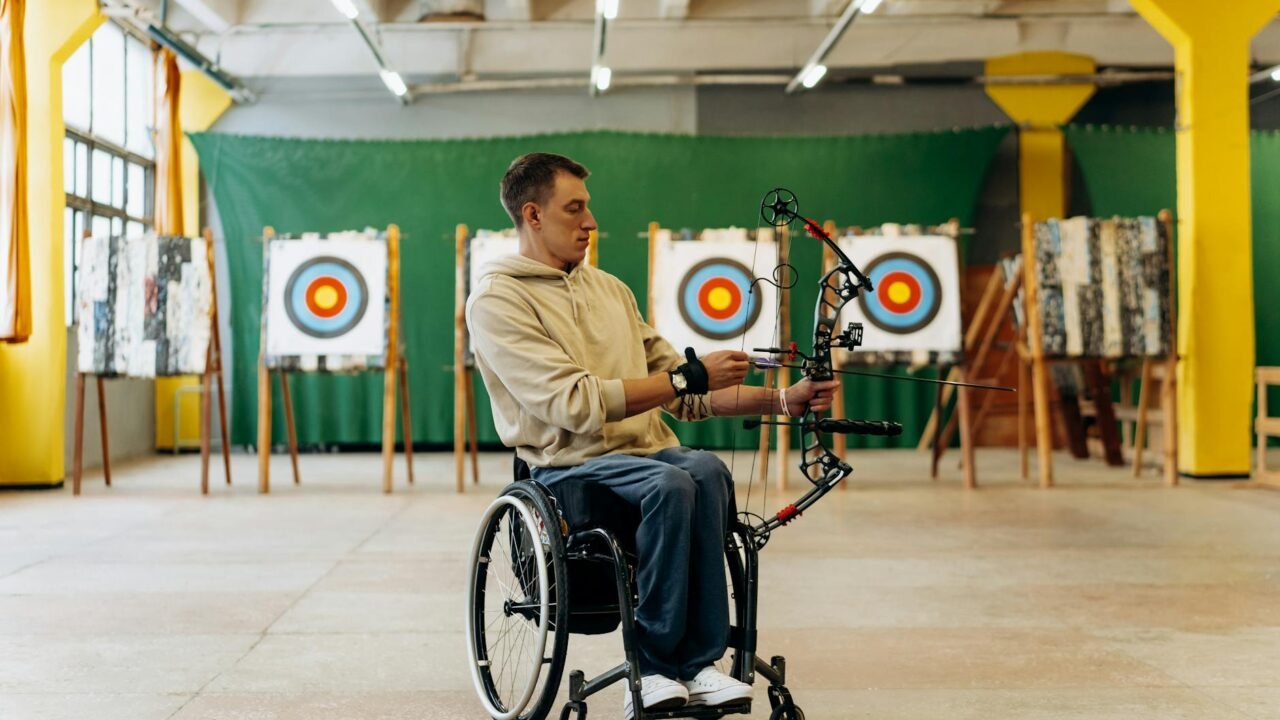
Payal Nag’s recent gold medal win at the World Para Archery Series in Bangkok has put the spotlight on the Shri Mata Vaishno Devi Archery Academy in Katra, Jammu and Kashmir. Nag, who lost all four limbs after being electrocuted as a child, defeated reigning world champion Sheetal Devi in the women’s para compound final. This victory highlights the critical role the academy plays in nurturing para-athletes and providing them with the resources necessary to compete at the international level.
Sheetal Devi, also a product of the Katra academy, is a significant figure in the world of para archery. Devi, who does not have arms, uses her feet to draw the bow. Her innovative technique and success have brought considerable attention to the sport and to India‘s growing prowess in para archery. Payal’s victory over Devi at the Bangkok event underscores the depth of talent emerging from the academy.
The Shri Mata Vaishno Devi Archery Academy provides crucial support to athletes like Payal and Sheetal. The academy offers specialized coaching, custom equipment, and logistical assistance. Payal Nag specifically credited the academy and the Shrine Board for providing her with a wheelchair, accommodation, and food, enabling her to travel to and compete in Thailand. The academy’s infrastructure is considered among the best in Jammu and Kashmir, attracting aspiring archers from across the region.
Payal’s journey into archery began unconventionally. Coach Kuldeep Vedwan, who also mentored Sheetal Devi, discovered Payal through her paintings. Recognizing her potential, Vedwan brought her to the academy in Katra. Since then, she has received training using a specially designed bow suited to her unique needs.
The academy’s success extends beyond individual achievements. Payal and Sheetal also teamed up to win gold in the women’s compound team event at the same World Para Archery Series, defeating Kazakhstan. This victory further cemented India’s position as a strong contender in para archery and reflected the effectiveness of the academy’s training programs.
Abhilasha Chaudhary, an archery coach at the academy since 2017, emphasized its role in producing archery stars. According to Chaudhary, the institution has produced two Arjuna Awardees and secured over 70 international medals. She highlighted the Shrine Board’s commitment to sports, stating that it is one of the most significant religious institutions contributing to sports in the country.
The Lieutenant Governor of Jammu and Kashmir, Manoj Sinha, has also acknowledged the academy’s contribution. Payal Nag mentioned interacting with him and expressing her gratitude for the support received. The government’s recognition and support are vital in sustaining the academy’s operations and enabling it to continue producing world-class athletes.
The Shri Mata Vaishno Devi Shrine Board manages the academy. The board’s investment in sports infrastructure and athlete development has been instrumental in the academy’s success. The board has consistently supported athletes by providing resources. This support system allows athletes to focus on their training and performance.
Para archery has been gaining prominence in India, with athletes like Sheetal Devi and Payal Nag leading the way. Their achievements serve as an inspiration to other aspiring para-athletes, demonstrating that physical limitations need not be barriers to success. The efforts of institutions like the Katra academy are crucial in providing opportunities and support to these athletes.
The Sports Authority of India (SAI) also plays a crucial role in promoting para sports in India. SAI provides funding, training facilities, and coaching support to para-athletes across various disciplines. Collaborations between institutions like the Katra academy and SAI can further enhance the development of para archery in the country.
The Paralympic Games are the pinnacle of para sports. Indian para-archers have been steadily improving their performance at these games, with the country winning an increasing number of medals. The success of athletes from the Katra academy will undoubtedly contribute to India’s future performance at the Paralympics.
The impact of the Shri Mata Vaishno Devi Archery Academy extends beyond sports. The academy provides a sense of community and belonging for athletes with disabilities. This fostering of social inclusion is an important aspect of the academy’s work, empowering athletes to overcome societal barriers and achieve their full potential.
The academy’s success has led to increased interest in archery among young people in Jammu and Kashmir. The region has a rich tradition of sports, including archery, and the academy is helping to revive and promote this tradition. The academy’s role in promoting sports and empowering athletes will continue to be valuable to the region.
While the academy has achieved remarkable success, challenges remain. Funding, access to specialized equipment, and the need for more qualified coaches are among the ongoing issues. Addressing these challenges is essential to ensure the continued growth and development of para archery in India. We found dedicated support networks and innovative approaches can help drive progress.
Looking ahead, the Shri Mata Vaishno Devi Archery Academy aims to expand its programs and reach more aspiring para-athletes. Plans are underway to develop new training facilities and increase the number of coaches. We reviewed documented plans of the academy’s commitment to providing opportunities for athletes to pursue their dreams and achieve success on the world stage.

Tahir Rihat (also known as Tahir Bilal) is an independent journalist, activist, and digital media professional from the Chenab Valley of Jammu and Kashmir, India. He is best known for his work as the Online Editor at The Chenab Times.