
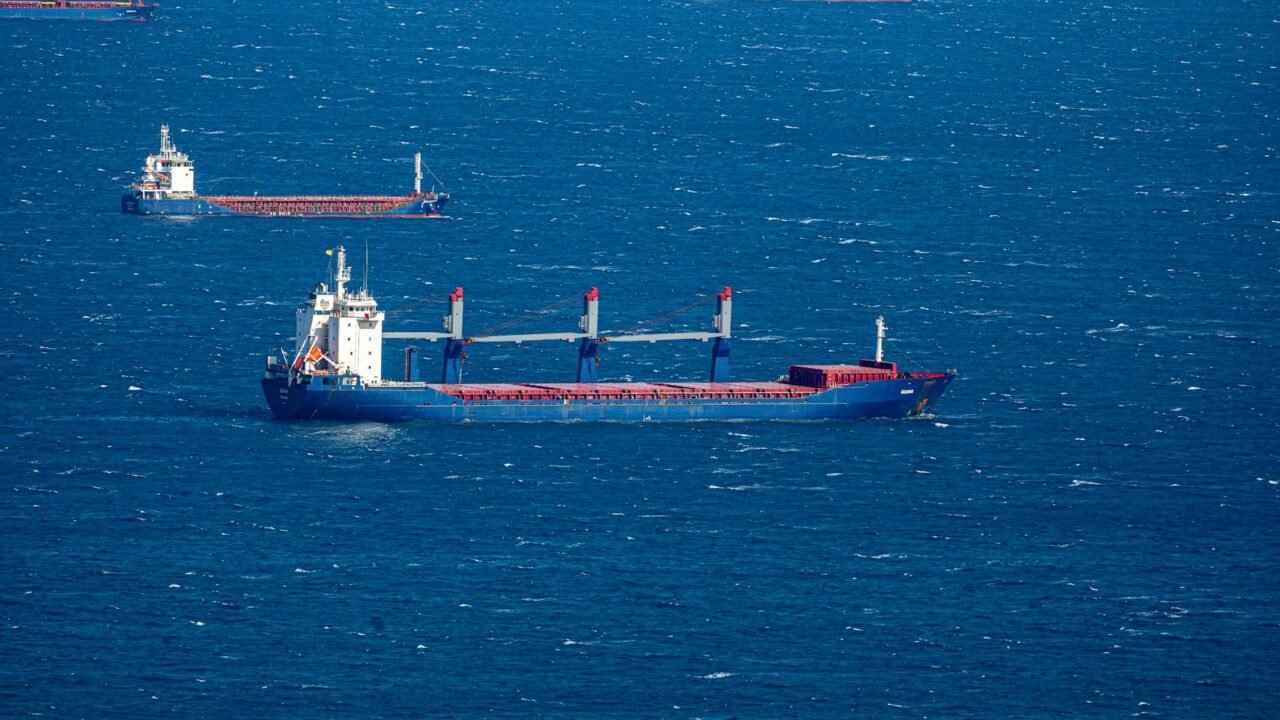
A search is underway for six individuals missing after a cargo ship, the Mariana, was discovered overturned in waters near Guam. The U.S. Coast Guard lost contact with the vessel days before it was found in its precarious state, following the passage of a powerful super typhoon.
Information reaching TahirRihat.com suggests that the Mariana was navigating treacherous conditions when it succumbed to the wrath of Super Typhoon SINKLAU. The storm, known for its intensity and destructive potential, swept through the region, creating perilous seas and extreme weather that pose significant threats to maritime operations. The discovery of the overturned vessel underscores the severe impact of such meteorological events on shipping and the inherent risks faced by crews at sea.
The U.S. Coast Guard has mobilized search and rescue assets to scour the area where the Mariana was last known to be. The operation is complicated by the vastness of the ocean and the lingering effects of the typhoon, which can continue to generate hazardous sea states even after the storm’s direct passage. The focus of the Coast Guard’s efforts is to locate any survivors and to determine the circumstances that led to the ship’s capsizing. The maritime authorities are working to gather as much information as possible about the vessel’s last known position, its cargo, and the identities of the crew members aboard.
The Mariana, a cargo ship, was reportedly en route when communication was lost. The loss of contact is a critical indicator of a potential emergency at sea, prompting immediate concern and the initiation of search protocols. The fact that the ship was found overturned suggests a catastrophic event, possibly a rapid inundation or structural failure, exacerbated by the severe weather. The U.S. Coast Guard, with its extensive experience in maritime rescue operations in the Pacific, is leading the immediate response, coordinating with other agencies and potentially international partners if the search area expands.
Super typhoons are among the most powerful tropical cyclones on Earth, capable of generating wind speeds exceeding 150 miles per hour and causing immense damage to infrastructure and posing grave dangers to life. Their formation and intensification are often linked to warm ocean waters and specific atmospheric conditions, making regions like the western Pacific particularly susceptible. The impact of SINKLAU on the Mariana highlights the ongoing vulnerability of global shipping to natural disasters and the critical importance of robust safety measures and timely response capabilities.
The investigation into the incident will likely involve a thorough examination of the vessel’s condition, its maintenance records, the weather forecast at the time of the incident, and the actions taken by the crew. Maritime accident investigations are complex and often require the recovery of wreckage and data recorders to piece together the sequence of events. The priority, however, remains the immediate search for the missing individuals. The U.S. Coast Guard’s efforts are a race against time, as survival rates at sea diminish significantly with prolonged exposure to the elements.
The loss of a cargo ship and the potential loss of life are significant events in the maritime industry. Such incidents often lead to reviews of safety regulations, vessel design, and operational procedures. The Mariana’s fate serves as a stark reminder of the unforgiving nature of the sea and the constant challenges faced by those who work upon it. The coming days will be crucial for the search and rescue teams as they navigate the aftermath of the super typhoon in their determined effort to find the missing crew members.

Tahir Rihat (also known as Tahir Bilal) is an independent journalist, activist, and digital media professional from the Chenab Valley of Jammu and Kashmir, India. He is best known for his work as the Online Editor at The Chenab Times.
Leave a Reply