
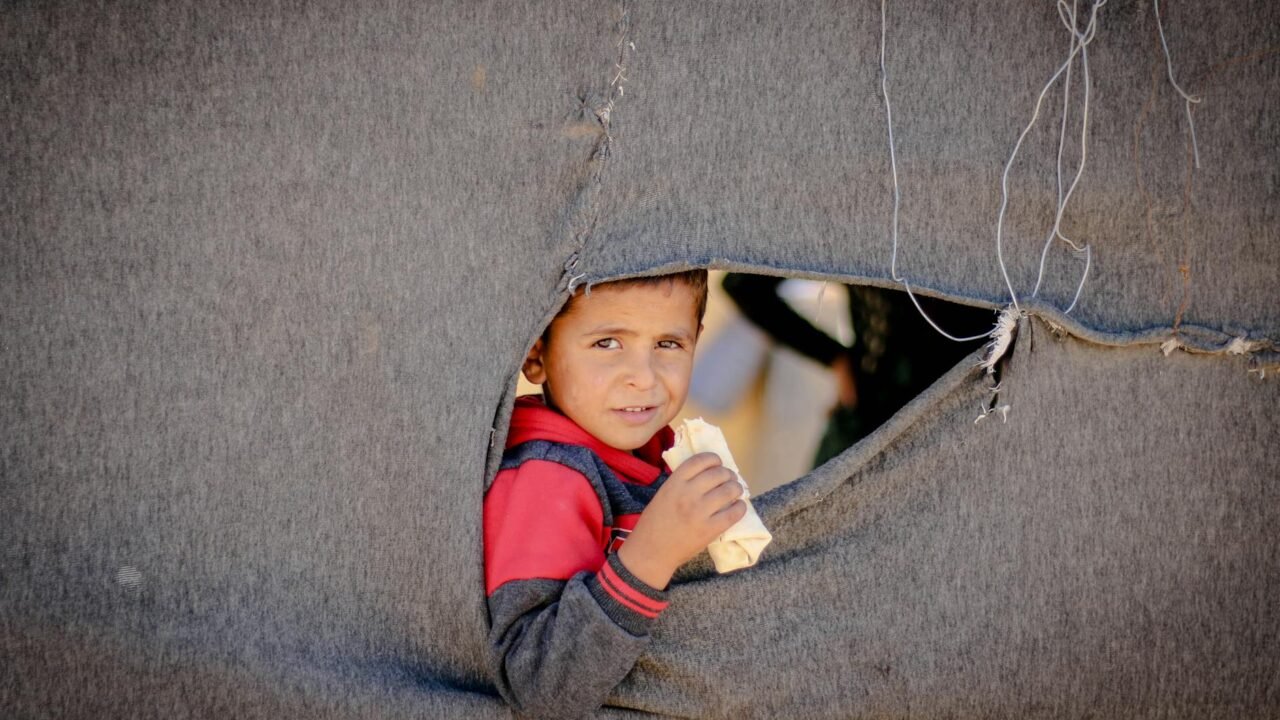
Sudan is facing an increasingly dire situation as the ongoing conflict enters its fourth year, triggering a severe humanitarian crisis. The relentless fighting, which began in 2023, has uprooted millions of people from their homes, leaving them vulnerable and displaced. Widespread hunger is now rampant throughout the country, exacerbated by the continuing strife and instability in the Middle East, creating a complex web of challenges for aid organizations and the Sudanese people.
The conflict has not only displaced communities but has also disrupted critical supply chains and agricultural activities, leaving a significant portion of the population without access to food and essential resources. The situation is further compounded by the strain on healthcare systems and infrastructure, which have been severely impacted by the fighting. As per information available with TahirRihat.com, the convergence of these factors has created a humanitarian catastrophe of unprecedented proportions, requiring urgent international attention and assistance.
The disruption caused by the war extends beyond Sudan’s borders, affecting regional stability and creating ripple effects in neighboring countries. The influx of refugees fleeing the conflict has strained resources in already vulnerable areas, further compounding the humanitarian challenges in the region. The international community is being called upon to increase aid and diplomatic efforts to address the root causes of the conflict and mitigate its devastating consequences.
The scale of the crisis in Sudan demands a coordinated and sustained response from humanitarian organizations, governments, and international bodies. The need for food, water, shelter, and medical assistance is growing daily, as the conflict continues to push more people into desperate circumstances. Addressing the underlying causes of the conflict and working towards a peaceful resolution is essential to ensuring the long-term stability and well-being of the Sudanese people.
The compounded effect of ongoing conflicts in the region are making the delivery of humanitarian aid incredibly complex. Supply chains are being further disrupted by the unrest in other countries in the Middle East as reported by sources monitoring the situation. It is increasingly difficult to get supplies to those who need it most, so the world must coordinate responses with strong logistical planning.
The current crisis demands more than just the immediate provision of aid. It requires a comprehensive approach that addresses the root causes of the conflict, supports long-term development, and promotes reconciliation and stability. The international community must work together to ensure that the people of Sudan have the opportunity to rebuild their lives and create a better future.
The situation in Sudan remains fluid and unpredictable, with the potential for further escalation of violence and a worsening of the humanitarian crisis. Ongoing diplomatic efforts are crucial to achieving a ceasefire and creating a conducive environment for dialogue and negotiation. The international community must remain engaged and committed to supporting the Sudanese people in their quest for peace and stability.
The complexities of the situation underscore the need for a multi-faceted approach that integrates humanitarian assistance, conflict resolution, and long-term development. Addressing the root causes of the conflict, promoting good governance, and ensuring respect for human rights are essential to creating a sustainable and peaceful future for Sudan. The international community must work collaboratively to support the Sudanese people in their efforts to build a more inclusive and prosperous society.
The impact of the conflict goes far beyond the immediate casualties and displacement. It has deeply scarred Sudanese society, eroding social cohesion and creating long-term psychological trauma. Addressing these underlying issues is essential to fostering reconciliation and healing. Support for mental health services and community-based initiatives is crucial to helping people cope with the trauma of war and rebuild their lives.
Despite the immense challenges, there are signs of resilience and hope within Sudanese society. Community-based organizations and civil society groups are working tirelessly to provide assistance to those in need and promote peaceful co-existence. Supporting these local initiatives and amplifying their voices is essential to building a more inclusive and sustainable future for Sudan. The strength and determination of the Sudanese people are a testament to their unwavering spirit, and their efforts deserve the full support of the international community.
As the conflict enters its fourth year, the need for sustained international attention and support remains critical. The humanitarian crisis in Sudan is a stark reminder of the devastating consequences of war and the urgent need for peaceful solutions to conflict. The international community must stand in solidarity with the Sudanese people and work together to create a future where all can live in peace and dignity.

Tahir Rihat (also known as Tahir Bilal) is an independent journalist, activist, and digital media professional from the Chenab Valley of Jammu and Kashmir, India. He is best known for his work as the Online Editor at The Chenab Times.
Leave a Reply