
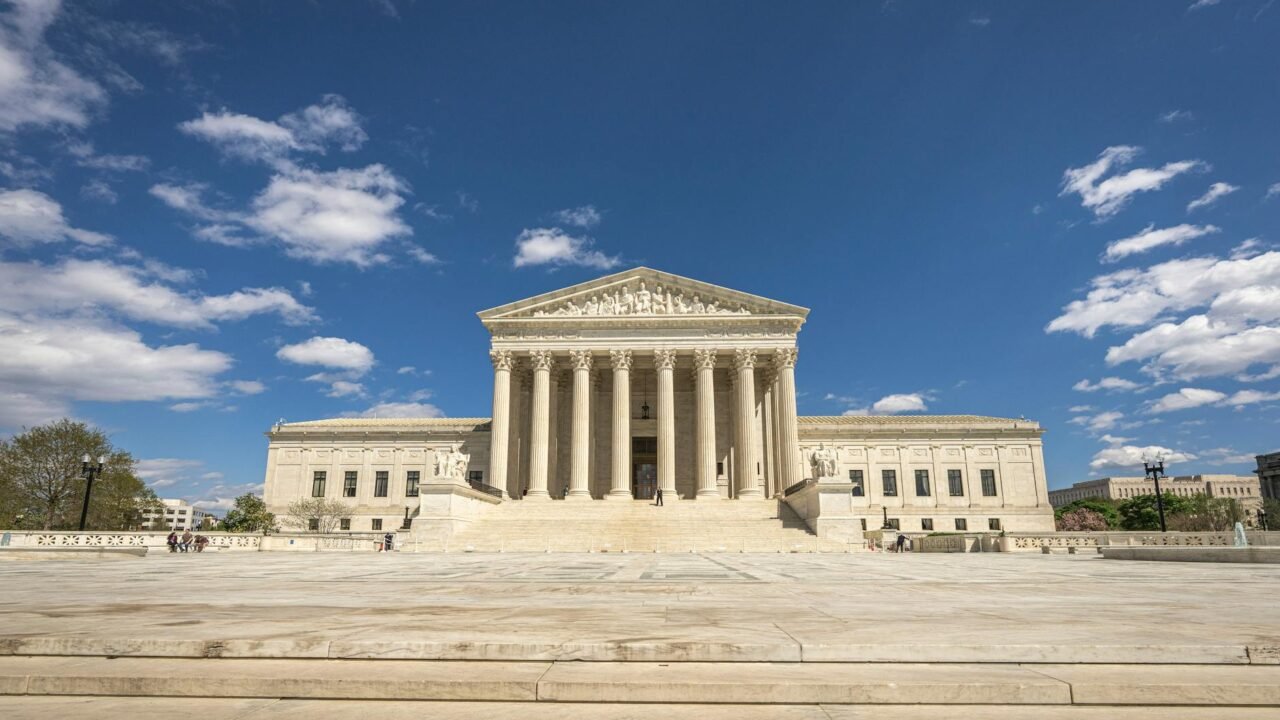
The Supreme Court of India has issued a significant directive to all states and union territories, mandating the submission of detailed information concerning pending terror and narcotics cases. This crucial step is aimed at facilitating the establishment of specialized, exclusive courts designed for the swift and efficient disposal of these complex legal matters. The directive encompasses cases currently under investigation by both central agencies, such as the National Investigation Agency (NIA) and the Narcotics Control Bureau (NCB), as well as their state-level counterparts.
Information reaching TahirRihat.com suggests that the apex court is also considering a proposal for the central government to allocate an initial sum of Rs 1 crore to each state and union territory for the foundational setup of these dedicated courts. These courts are intended to specifically prosecute cases filed under stringent legislation like the Unlawful Activities [Prevention] Act (UAPA) and the Narcotic Drugs and Psychotropic Substances Act (NDPS Act). Furthermore, a request has been made to the Centre to consider releasing Rs 1 crore annually to ensure the sustained and smooth operational functioning of these specialized judicial bodies. This initiative underscores a growing concern within the judiciary regarding the protracted timelines often associated with the adjudication of terror and drug-related offenses, which can have profound implications for national security and public welfare.
The suo motu case, initiated by the Supreme Court to address the burgeoning backlog of such cases, was scheduled for further deliberation on May 8. Earlier, on March 24, the court had already ordered the creation of special courts for cases investigated by the NIA and those falling under the ambit of the UAPA. In a broadening of this scope, Chief Justice Surya Kant, on Monday, specifically urged the advocate generals representing 17 states to furnish comprehensive details of all cases registered under the UAPA and the NDPS Act. This request extends irrespective of whether these cases are being prosecuted by the NIA or state police forces, or by the NCB or state drug enforcement agencies. The court emphasized that expediting the resolution of these cases is essential for achieving a fair balance between the rights of the accused and the imperative of justice for victims.
The bench has also formally issued notices to the remaining states and union territories, compelling them to provide the requisite information promptly. The genesis of this suo motu petition can be traced to persistent concerns that trials conducted by the NIA have been languishing for years, leading to significant delays in justice. The court observed a critical issue in many of the 17 states identified as having a high pendency of cases, including prominent regions like Delhi, Maharashtra, Gujarat, Bihar, and Jammu and Kashmir. In these areas, the existing special courts are reportedly overburdened, primarily because their presiding officers are frequently assigned non-NIA related cases, thereby diluting their focus and capacity for specialized trials. The bench unequivocally stated that NIA courts should exclusively handle UAPA or other related trials, and their presiding officers should not be entrusted with any other judicial responsibilities. This would ensure that these critical cases receive the undivided attention they require.
A Ministry of Home Affairs (MHA) Office Memorandum, dated January 7, 2026, had previously outlined a robust financial framework for the establishment and operation of these courts. According to this memorandum, the Central government is committed to providing an annual grant of up to Rs 1 crore per court. This funding is earmarked for essential operational expenses, including staff salaries and general office expenditures. In addition to the recurring operational costs, the memorandum also provides for a one-time, non-recurring grant of Rs 1 crore. This initial capital infusion is intended for crucial infrastructure upgrades, such as renovation of court facilities, acquisition of necessary IT equipment including computers and broadband connectivity, and the procurement of essential furniture. The MHA had further specified that each court would adhere to a defined “model staff pattern,” which includes the appointment of a special judge, stenographers, and a dedicated driver accompanied by a vehicle for the presiding officer, ensuring logistical support for efficient case management.
The bench had previously identified 17 states where more than 10 NIA trials are currently pending, signaling a concentrated need for these specialized courts. These states include Assam, Bihar, Chhattisgarh, Delhi, Gujarat, Jammu & Kashmir, Jharkhand, Karnataka, Kerala, Maharashtra, Manipur, Punjab, Tamil Nadu, West Bengal, Andhra Pradesh, Rajasthan, and Telangana. These states had reportedly agreed to establish at least one exclusive court as a pilot project, demonstrating a willingness to address the issue proactively. The court has further directed the chief justices of the respective high courts to expedite the appointment of judges for these specialized courts. A key criterion for these appointments is that the judges must possess “fair and reasonable experience in conducting criminal trials,” ensuring that they are well-equipped to handle the complexities of terror and drug-related litigation. This comprehensive approach by the Supreme Court aims to streamline the judicial process, reduce case pendency, and deliver justice more effectively in matters of critical national importance.

Tahir Rihat (also known as Tahir Bilal) is an independent journalist, activist, and digital media professional from the Chenab Valley of Jammu and Kashmir, India. He is best known for his work as the Online Editor at The Chenab Times.





Leave a Reply