
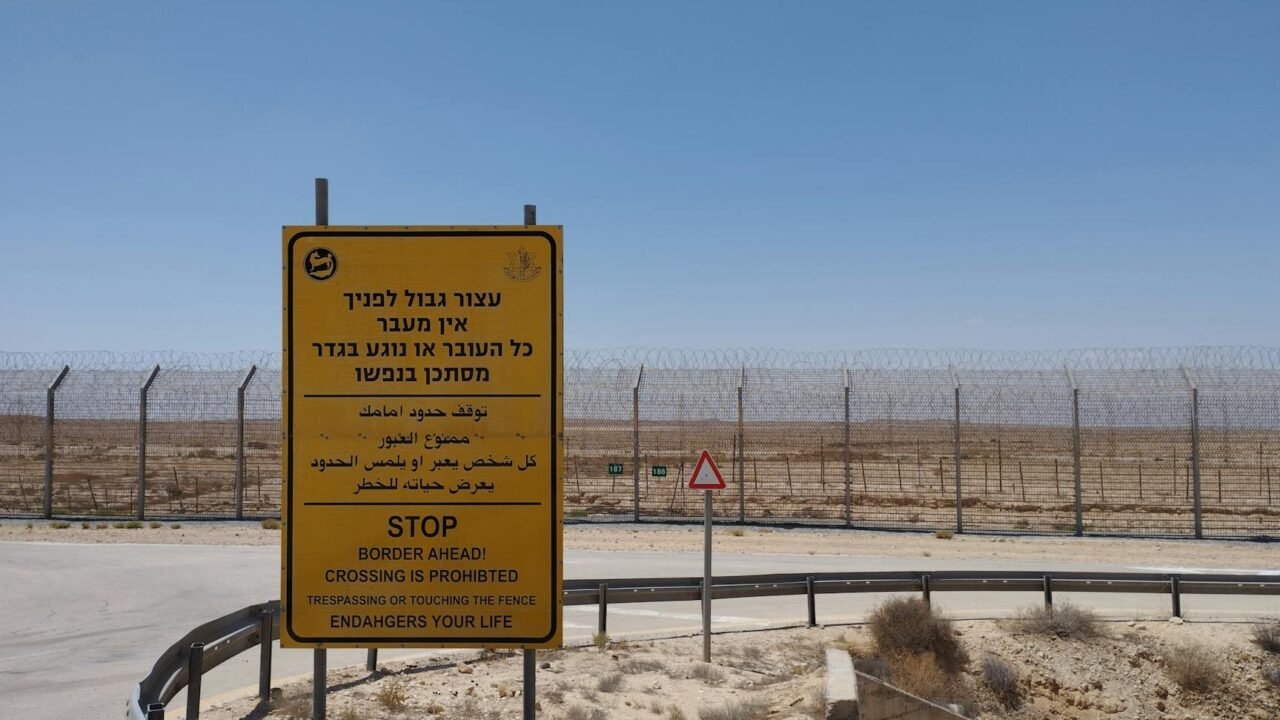
As negotiations between Israel and Lebanon get underway, the United States has refrained from pressuring Israel to cease its military actions in Lebanese territory. Washington’s stance has raised eyebrows, given its self-proclaimed role as a key mediator in the region and its stated commitment to de-escalation.
Despite heralding the commencement of talks as a potentially groundbreaking moment for regional stability, the U.S. government has stopped short of explicitly calling for an end to Israeli airstrikes or demanding a withdrawal of Israeli forces from the disputed border areas. This approach contrasts with previous instances where Washington has actively intervened to urge restraint during periods of heightened conflict. The muted response has fueled speculation about the shifting dynamics of U.S. foreign policy in the Middle East and its strategic priorities in the region.
Information reaching TahirRihat.com suggests that the decision to avoid exerting direct pressure on Israel reflects a calculated assessment of the current political landscape. Several factors could be contributing to the U.S. position, including a desire to maintain close ties with Israel, a reluctance to interfere in what it may perceive as legitimate self-defense measures, or a belief that exerting pressure could undermine the fragile negotiations.
The negotiations between Israel and Lebanon, which are being conducted with indirect U.S. mediation, aim to resolve longstanding territorial disputes and establish a more stable and secure border. However, the ongoing military actions threaten to derail the diplomatic efforts and further escalate tensions. The Lebanese government has repeatedly condemned the Israeli strikes, characterizing them as a violation of international law and a threat to regional peace.
The lack of a strong U.S. response has drawn criticism from various quarters. Some analysts argue that Washington’s silence emboldens Israel and undermines the credibility of its commitment to a peaceful resolution. Others contend that the U.S. is wisely calibrating its approach to avoid alienating key allies and preserve its influence in the region. However, the delicate balance between these competing considerations remains a central challenge for U.S. policymakers.
The situation on the ground remains volatile, with reports of continued clashes and cross-border fire. The humanitarian consequences of the conflict are also a growing concern, as civilians bear the brunt of the violence. International aid organizations have called for increased access to affected areas and for the protection of vulnerable populations.
The trajectory of the negotiations and the broader regional security environment hinges on the actions and decisions of key players, including Israel, Lebanon, and the United States. The coming days and weeks will be critical in determining whether a path toward de-escalation and lasting peace can be forged. The stakes are high, and the potential for further escalation remains a clear and present danger.
The international community is watching closely, with many hoping that the talks can provide a foundation for a more stable and peaceful future for the region. However, skepticism remains, given the deep-seated historical animosities and the complex web of political and security challenges that plague the region. The United States will likely continue to play a central, if understated, role in navigating these challenges and shaping the outcome of the negotiations.
As tensions continue, the U.S. role remains a subject of intense debate and scrutiny. Whether Washington’s approach will ultimately prove effective in fostering a lasting resolution remains to be seen.

Tahir Rihat (also known as Tahir Bilal) is an independent journalist, activist, and digital media professional from the Chenab Valley of Jammu and Kashmir, India. He is best known for his work as the Online Editor at The Chenab Times.




Leave a Reply