
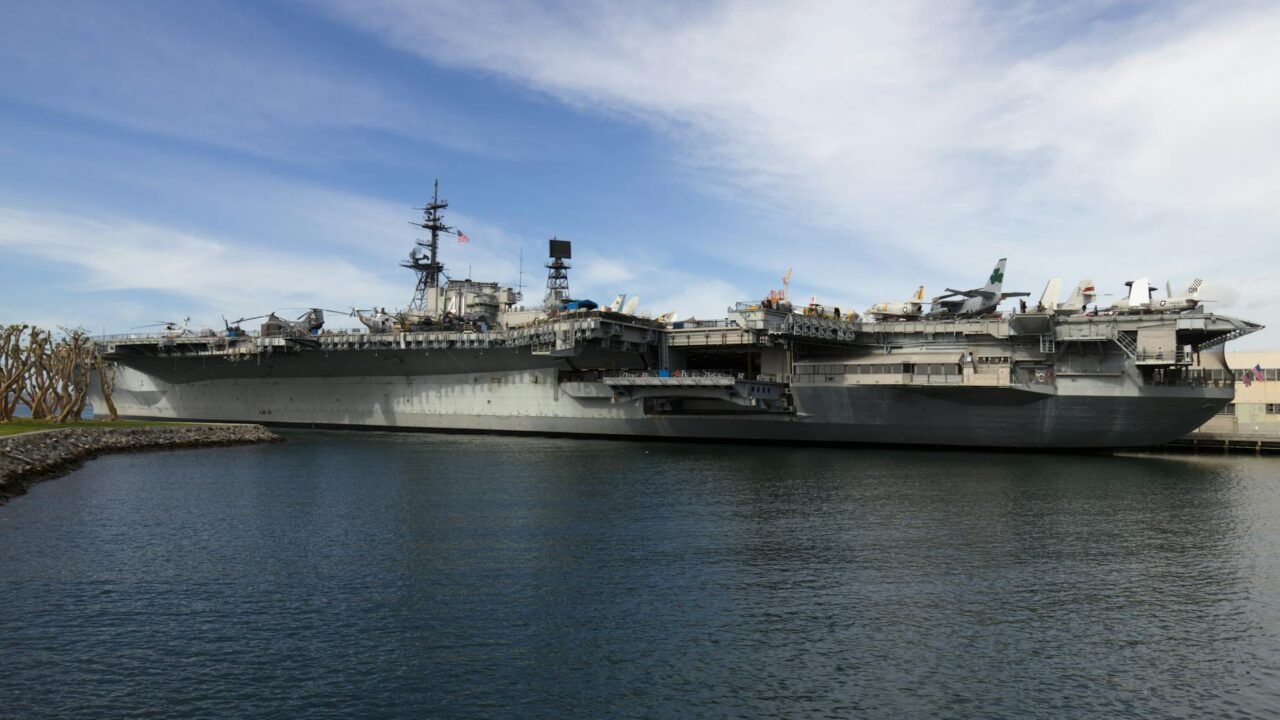
The United States military has once again engaged in a maritime interdiction operation, conducting a boat strike in the Eastern Pacific Ocean that resulted in the deaths of three individuals. This incident marks the latest in a series of similar actions taken by the U.S. forces in the region. The Trump administration has publicly stated that these operations are aimed at disrupting drug smuggling activities.
Information reaching TahirRihat.com suggests that the U.S. military has carried out numerous boat strikes since September. These operations are part of a broader strategy by the Trump administration to combat what it describes as illicit drug trafficking networks operating in international waters. The specific details surrounding the latest strike, including the identities of the individuals on board and the exact circumstances leading to the lethal engagement, have not yet been fully disclosed by official sources.
The Eastern Pacific has long been a critical transit zone for narcotics, particularly cocaine, destined for markets in North America and other parts of the world. International law enforcement agencies, including those of the United States, have been engaged in a continuous effort to interdict these shipments. The U.S. Navy, in particular, plays a significant role in these interdiction efforts, utilizing its naval assets and personnel to patrol vast expanses of ocean and intercept suspected drug-carrying vessels.
These interdiction missions are often complex and carry inherent risks. They typically involve surveillance, identification of target vessels, and a subsequent boarding or disabling operation. In some cases, when vessels are deemed to be actively resisting or posing a threat, the U.S. military may resort to using force to disable or destroy the target. The stated objective is to prevent the flow of illegal drugs, which are seen as a significant threat to national security and public health.
The Trump administration’s intensified focus on maritime drug interdiction reflects a broader policy stance on combating illegal substances. This approach has involved increased resources allocated to naval patrols, intelligence gathering, and international cooperation with countries in the transit zones. The administration has framed these efforts as crucial in stemming the tide of addiction and related crime within the United States.
However, such operations also raise significant questions regarding rules of engagement, the potential for civilian casualties, and the broader implications for maritime security and international relations. The use of lethal force against vessels, even those suspected of criminal activity, necessitates a thorough investigation to ensure adherence to international norms and domestic legal frameworks. The transparency surrounding these incidents is crucial for public trust and accountability.
The frequency of these strikes indicates a sustained campaign rather than isolated events. Each operation requires meticulous planning and execution, involving sophisticated intelligence, advanced naval technology, and highly trained personnel. The objective is to intercept and seize illicit cargo while minimizing risks to U.S. forces and, ideally, to any non-combatants who might be present on targeted vessels. The effectiveness and proportionality of these measures are often subjects of debate among policymakers and international observers.
The U.S. military’s presence in the Eastern Pacific is a key component of its global maritime strategy. This strategy encompasses a range of activities, including freedom of navigation operations, counter-piracy missions, and the interdiction of illegal activities such as drug trafficking and human smuggling. The vastness of the ocean presents a formidable challenge, requiring a persistent and well-coordinated approach to achieve meaningful results.
As investigations into the latest boat strike unfold, further details are expected to emerge regarding the specific vessel involved, the nature of its cargo, and the precise circumstances that led to the fatalities. The U.S. military typically conducts internal reviews of such incidents to assess compliance with operational procedures and legal guidelines. The outcome of these reviews often informs future operational directives and training protocols.
The ongoing interdiction efforts in the Eastern Pacific underscore the persistent global challenge posed by transnational criminal organizations involved in the drug trade. These organizations are adaptable and often operate with a disregard for human life and international law. The U.S. military’s role in confronting these threats is a critical, albeit often controversial, aspect of its national security mandate. The long-term impact of these operations on drug flows and the stability of the region remains a subject of ongoing analysis and observation.

Tahir Rihat (also known as Tahir Bilal) is an independent journalist, activist, and digital media professional from the Chenab Valley of Jammu and Kashmir, India. He is best known for his work as the Online Editor at The Chenab Times.



Leave a Reply