The death of Masood Masjoody in Vancouver has cast a dark shadow over the Iranian diaspora in Canada, highlighting deep-seated ideological rifts and raising concerns about political tensions within the community. Masjoody’s disappearance and subsequent death have triggered investigations and ignited discussions about the safety and security of Iranian activists living abroad, particularly those critical of the Iranian government in Tehran.
Masjoody, an Iranian activist with a visible profile within the Vancouver Iranian community, vanished after making accusations against two other individuals of having expressed desires for his death. His body was later discovered, prompting an investigation into the circumstances surrounding his demise. The case has drawn attention not only from local Canadian law enforcement but also from international observers, given the potential political implications.
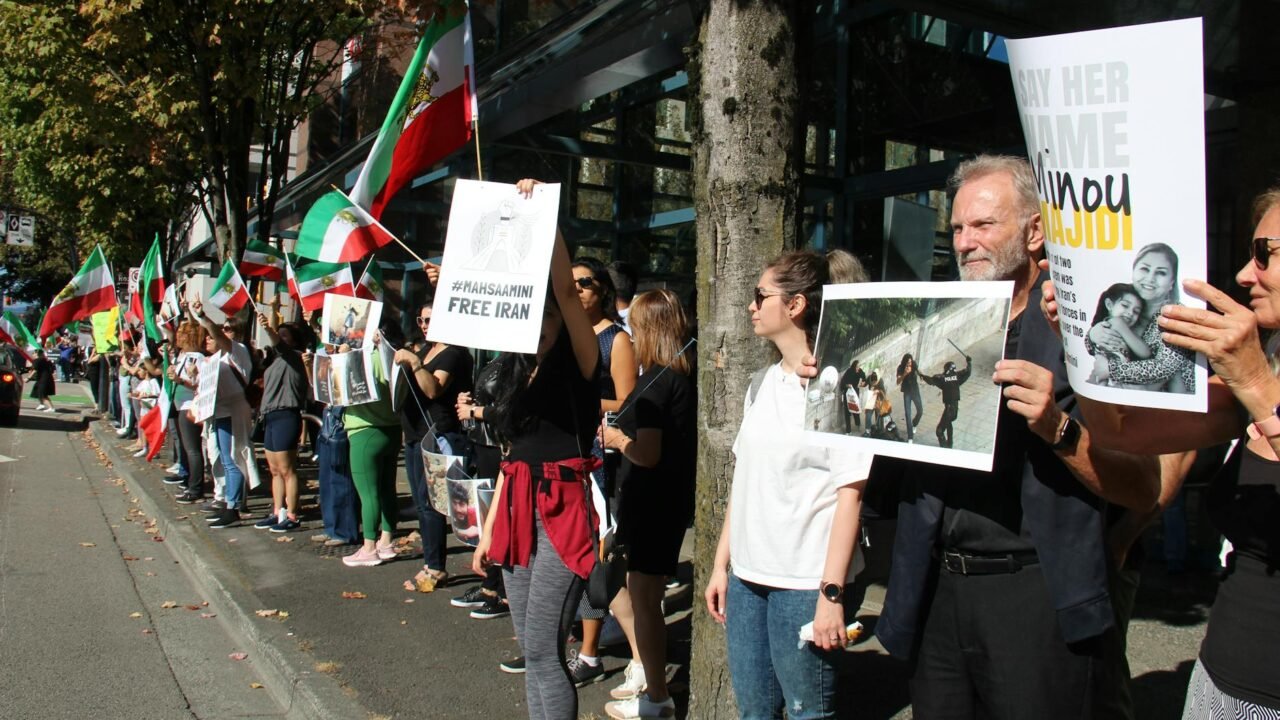
The Iranian diaspora in Canada, like many others around the world, is composed of individuals with diverse backgrounds and political opinions. Some support the current regime in Iran, while others are vehemently opposed to it. This divergence of views often leads to tensions within the community, particularly among activists who openly criticize the Iranian government’s human rights record and policies. The murder of Masjoody has amplified these tensions, raising questions about the extent to which political disagreements can escalate into violence.
Over the years, Canada has become home to a significant number of Iranian immigrants and refugees, many of whom fled Iran following the 1979 revolution and subsequent political repression. The Iranian Canadian community is concentrated in major urban centers such as Toronto, Montreal, and Vancouver. Within these communities, various organizations and groups cater to the specific needs and interests of Iranian Canadians, ranging from cultural associations to political advocacy groups.
The case of Masood Masjoody is not the first instance where the safety of Iranian dissidents residing abroad has come under scrutiny. In recent years, several Iranian activists and journalists living in Europe and North America have reported receiving threats or facing harassment, allegedly from individuals linked to the Iranian government. These reports have prompted investigations by security agencies and raised concerns about the long arm of Iranian intelligence services operating on foreign soil.
The death of Masjoody has prompted increased vigilance among Iranian activists in Canada. Many are now more cautious about their public statements and activities, fearing potential repercussions. Law enforcement agencies have also stepped up their monitoring of the Iranian community, seeking to ensure the safety and security of individuals who may be at risk.
The investigation into Masjoody’s death is ongoing, and authorities have not yet released specific details about the possible motives or suspects involved. However, the political context surrounding the case has fueled speculation and heightened anxieties within the Iranian Canadian community. Observers are closely watching the investigation’s progress, hoping that it will shed light on the circumstances of Masjoody’s death while also addressing the broader issue of political tensions within the diaspora.
From our reporting, we understand that this incident has taken place against a backdrop of heightened tensions between Iran and several Western countries, including Canada. Canada has been critical of Iran’s human rights record, its nuclear program, and its support for militant groups in the Middle East. These diplomatic tensions have further complicated the situation for Iranian activists living in Canada, who find themselves caught between the competing interests of their country of origin and their adopted homeland.
The Canadian government has condemned the killing of Masood Masjoody and pledged to conduct a thorough investigation. Canadian officials have also reiterated their commitment to protecting the safety and security of all individuals within Canada, regardless of their political views or national origin. The incident serves as a reminder of the challenges faced by diaspora communities around the world, where political divisions and unresolved conflicts can have far-reaching consequences.
While authorities are still piecing together what happened, the impact on Canada’s Iranian community is tangible. We have observed increased fear amongst activists who are critical of the Iranian government. Vigils and community meetings have taken place in Vancouver where members have expressed their grief and called for a transparent investigation. This incident also highlights the critical need for vigilance in safeguarding the well-being and freedom of expression of all community members. We will continue to monitor the situation as new updates emerge.
We reviewed the latest reports from Canadian media, and based on our fact-checking, the investigation is ongoing. The Royal Canadian Mounted Police (RCMP) are leading the investigation and have appealed to the public for any information related to Masjoody’s disappearance and death. The investigation involves forensic analysis, witness interviews and examination of digital evidence. We found that the RCMP has not yet released any suspect information or confirmed any motives.
Canada’s commitment to freedom of expression and human rights plays a crucial role in this situation. These values are essential for a vibrant and healthy society, and as such, we take seriously any threats to these values. The investigation will be closely watched by human rights organizations, community groups, and political analysts, both in Canada and abroad.
As the investigation continues, the focus remains on uncovering the truth surrounding Masjoody’s death and ensuring that justice is served. The incident serves as a cautionary tale about the complexities of diaspora politics and the potential dangers faced by those who speak out against oppressive regimes. Canadian authorities are working to provide reassurance to the Iranian community and reaffirm their commitment to protecting the rights and safety of all residents.

Tahir Rihat (also known as Tahir Bilal) is an independent journalist, activist, and digital media professional from the Chenab Valley of Jammu and Kashmir, India. He is best known for his work as the Online Editor at The Chenab Times.