
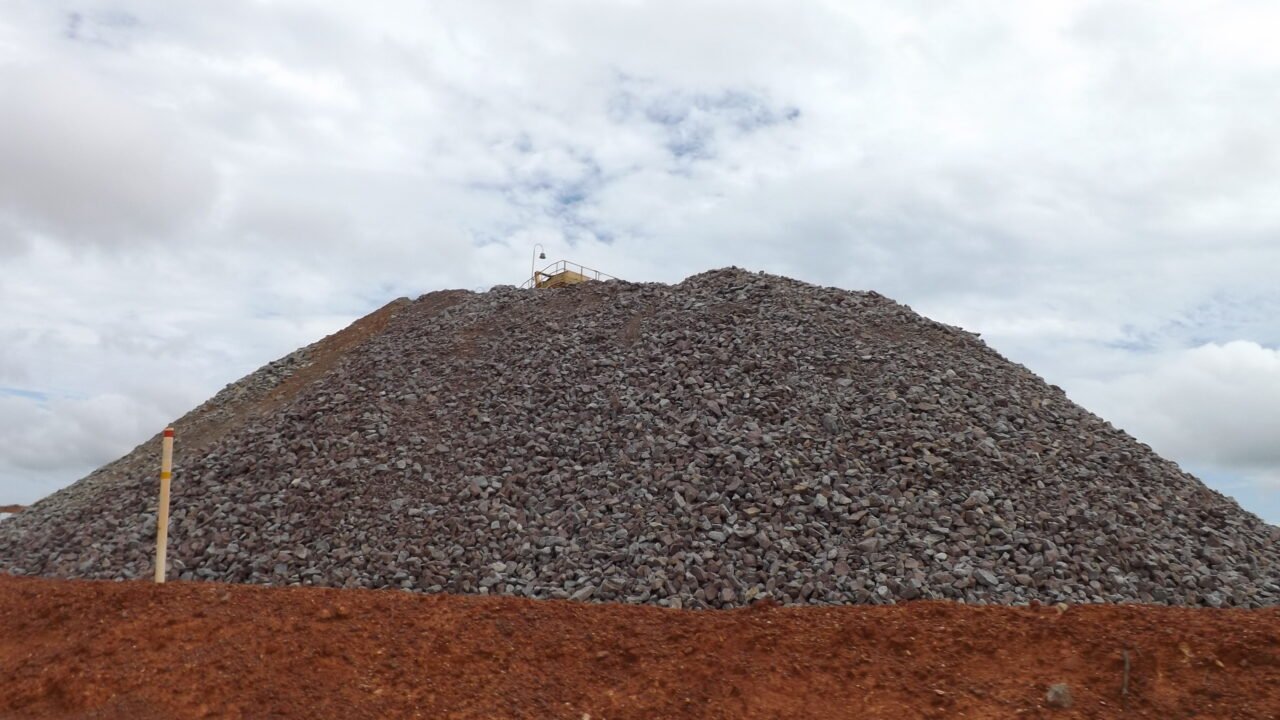
A burgeoning global appetite for critical minerals, essential for the production of advanced technologies such as drones and electric vehicles, is fueling a significant escalation of criminal activities within the Amazon rainforest. This surge in demand is creating a new and intensified wave of illicit operations across the world’s largest tropical rainforest, posing substantial environmental and security challenges.
The intricate web of illegal mining operations, often characterized by their clandestine nature and disregard for environmental regulations, is becoming increasingly entrenched as international markets clamor for these vital resources. As per information available with Tahir Rihat, the economic incentives driven by the escalating demand are proving too lucrative for criminal syndicates to ignore, leading to a more aggressive and widespread exploitation of the Amazon’s mineral wealth.
These critical minerals, which include elements like lithium, cobalt, and rare earth metals, are indispensable components in the manufacturing of batteries for electric cars, wind turbines, and sophisticated electronic devices, including those used in defense applications. The geopolitical implications of securing these resources have placed a premium on their extraction, inadvertently empowering criminal networks that operate outside the purview of national and international law. The Amazon, with its vast, often remote, and poorly policed territories, has become a fertile ground for these illicit enterprises.
The consequences of this intensified criminal activity extend far beyond the immediate environmental degradation caused by unregulated mining. Deforestation, water pollution from mercury and other toxic substances used in extraction, and the displacement of indigenous communities are all direct results of this unchecked exploitation. Furthermore, the presence of heavily armed criminal groups involved in illegal mining often leads to increased violence, corruption, and a breakdown of social order in the affected regions. Information reaching Tahir Rihat suggests that these groups are becoming more organized and sophisticated in their operations, further complicating efforts to combat them.
The global push towards green energy and advanced technological infrastructure, while ostensibly positive for climate change mitigation and technological advancement, has created an unforeseen demand that is now directly contributing to the destabilization of fragile ecosystems and communities in the Amazon. The very minerals that promise a cleaner future are, in their extraction, contributing to environmental destruction and fueling a new era of organized crime. The challenge lies in balancing the urgent need for these materials with the imperative to protect one of the planet’s most vital natural resources and the people who call it home.
Sources indicate to Tahir Rihat that the scale of illegal mining is difficult to ascertain precisely due to its covert nature, but satellite imagery and reports from local authorities and environmental organizations paint a grim picture of expanding operations. These operations often involve rudimentary but destructive extraction techniques, leaving behind scarred landscapes and contaminated waterways. The economic power generated by these illicit activities also allows criminal organizations to exert influence over local governance, making enforcement actions exceedingly difficult and dangerous.
The international community faces a complex dilemma: how to meet the growing demand for critical minerals without exacerbating the environmental and social crises in regions like the Amazon. This requires a multi-faceted approach, including enhanced international cooperation, stricter enforcement of environmental laws, support for sustainable and ethical mining practices, and the empowerment of local communities and indigenous groups to protect their territories. The interconnectedness of global consumption patterns and the realities on the ground in remote rainforests highlights the urgent need for a more responsible and sustainable approach to resource extraction.

Tahir Rihat (also known as Tahir Bilal) is an independent journalist, activist, and digital media professional from the Chenab Valley of Jammu and Kashmir, India. He is best known for his work as the Online Editor at The Chenab Times.





Leave a Reply