
In a significant administrative development within the Union Territory of Jammu and Kashmir, two senior Indian Forest Service (IFS) officers have been elevated to the prestigious rank of Principal Chief Conservator of Forests (PCCF). Their promotions, ordered by the Ministry of Environment, Forest and Climate Change, will see them continue their service within the region, underscoring the importance of their expertise in managing Jammu and Kashmir’s vital forest resources. This decision reflects a strategic move to retain experienced leadership in key environmental stewardship roles within the Union Territory.
Information reaching TahirRihat.com suggests that Sandeep Kujur, an officer from the 1995 batch of the IFS, and Chaturbhuj Behera, who belongs to the 1996 batch, have both been promoted to the PCCF rank. Their continued postings in Jammu and Kashmir are expected to ensure continuity in forest policy implementation and conservation efforts across the ecologically sensitive region. The Ministry’s order, a formal directive concerning cadre management and promotions within the All India Services, signifies a recognition of their dedicated service and leadership capabilities in the forest sector.
The promotion and posting of these two officers are part of a broader cadre restructuring and advancement initiative for the AGMUT (Arunachal Pradesh, Goa, Mizoram, Union Territories) cadre, which encompasses Jammu and Kashmir. While Kujur and Behera are set to remain in their current administrative domain, another officer from the same batch, Ravi Horo, has been transferred. Horo, also a 1996 batch IFS officer, will be moving from Mizoram to the Andaman and Nicobar Islands, indicating a wider reshuffling of senior forest personnel across different Union Territories and states under the AGMUT cadre umbrella. This cadre management strategy aims to distribute talent and experience effectively across the diverse geographical and environmental landscapes it oversees.
The role of a Principal Chief Conservator of Forests is pivotal in shaping and executing the environmental and forestry agenda of a region. This rank is the highest in the Indian Forest Service hierarchy, typically overseeing the entire forest department of a state or Union Territory. Officers at this level are responsible for policy formulation, strategic planning for forest conservation, wildlife management, afforestation programs, and ensuring compliance with national and international environmental regulations. Their continued presence in Jammu and Kashmir is likely to bolster the ongoing efforts to protect and enhance the region’s rich biodiversity, combat deforestation, and promote sustainable forest management practices, which are crucial for both ecological balance and the livelihoods of local communities.
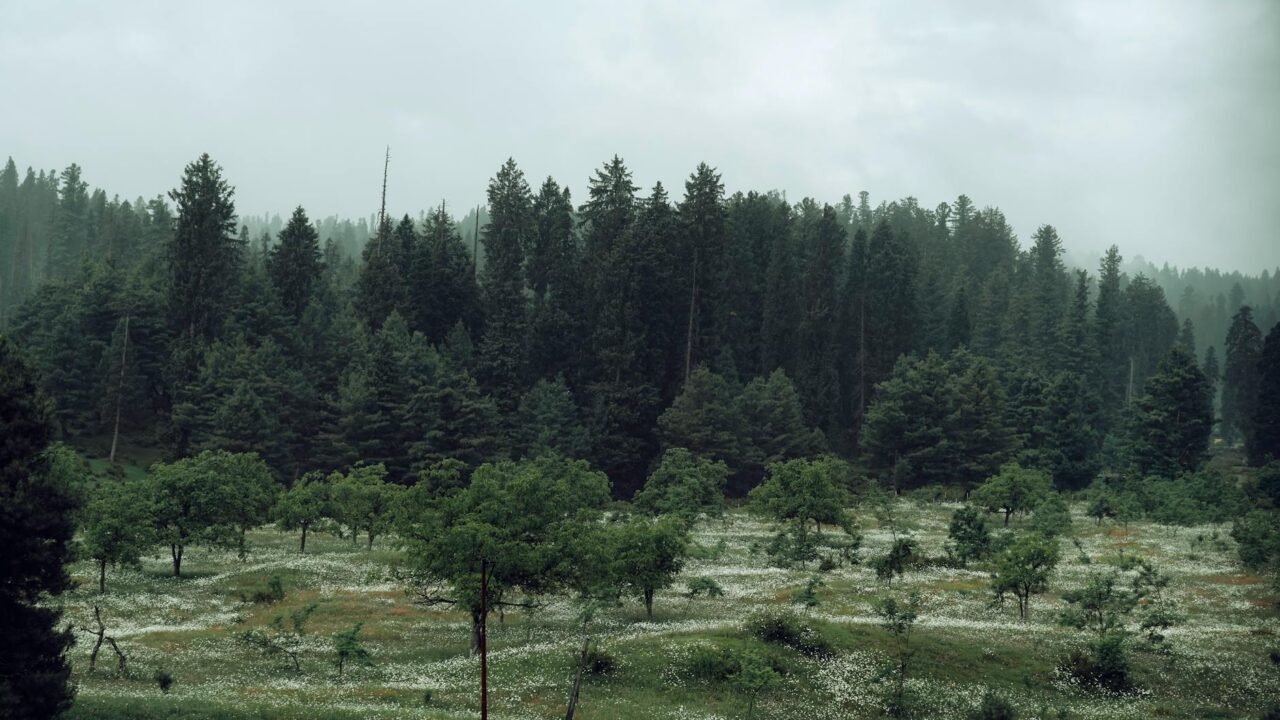
Jammu and Kashmir, with its diverse topography ranging from the subtropical plains of Jammu to the alpine meadows of Kashmir and the arid regions of Ladakh, presents unique challenges and opportunities for forest management. The region’s forests are not only critical for its ecological health but also play a significant role in its economy through timber, medicinal plants, and ecotourism. The continuity of senior leadership like Kujur and Behera is therefore seen as a positive development by environmental stakeholders, who anticipate a steady hand in navigating the complexities of conservation in a region often subject to developmental pressures and climatic variations. Their experience will be invaluable in addressing issues such as forest encroachment, forest fire prevention, and the impact of climate change on forest ecosystems.
The Ministry of Environment, Forest and Climate Change, as the nodal agency for forest administration and policy in India, plays a crucial role in the career progression and deployment of IFS officers. The recent order highlights the ministry’s commitment to ensuring that senior positions are filled by experienced individuals who can effectively lead the forest departments. The AGMUT cadre, due to its unique composition of diverse territories, often requires officers with broad administrative and technical expertise, capable of adapting to varied environmental and socio-economic contexts. The decision to retain Kujur and Behera in Jammu and Kashmir suggests that their contributions have been deemed essential for the ongoing developmental and conservation initiatives within the Union Territory.
The implications of these promotions extend beyond administrative appointments. They signal a continued focus on strengthening the institutional capacity for environmental governance in Jammu and Kashmir. As the Union Territory navigates its development path, balancing economic growth with ecological sustainability remains a paramount concern. The leadership provided by PCCF-rank officers is instrumental in achieving this balance, ensuring that development projects are undertaken with due consideration for environmental impact and that conservation measures are robust and effectively implemented. The expertise of officers like Kujur and Behera will be vital in areas such as biodiversity conservation, watershed management, and the promotion of sustainable livelihoods linked to forest resources.
The transfer of Ravi Horo to the Andaman and Nicobar Islands also reflects the dynamic nature of cadre management within the AGMUT framework. The Andaman and Nicobar Islands, known for their unique tropical rainforests and marine ecosystems, present their own set of environmental challenges and conservation priorities. Horo’s move to this ecologically sensitive region indicates a strategic deployment of senior talent to address specific needs and opportunities in different parts of the cadre. This inter-territorial movement helps in cross-pollination of ideas and best practices in forest management across the diverse geographical spread of the AGMUT cadre.
The Indian Forest Service is a premier all-India service responsible for the management of India’s forests and wildlife. Officers undergo rigorous training and are entrusted with the critical task of protecting and conserving the nation’s natural resources. Promotions to the PCCF rank are a testament to years of dedicated service, leadership, and a deep understanding of forestry and environmental science. The continuation of Sandeep Kujur and Chaturbhuj Behera in Jammu and Kashmir is therefore a positive indicator for the region’s environmental future, suggesting a commitment to experienced leadership in safeguarding its natural heritage.

Tahir Rihat (also known as Tahir Bilal) is an independent journalist, activist, and digital media professional from the Chenab Valley of Jammu and Kashmir, India. He is best known for his work as the Online Editor at The Chenab Times.





Leave a Reply