
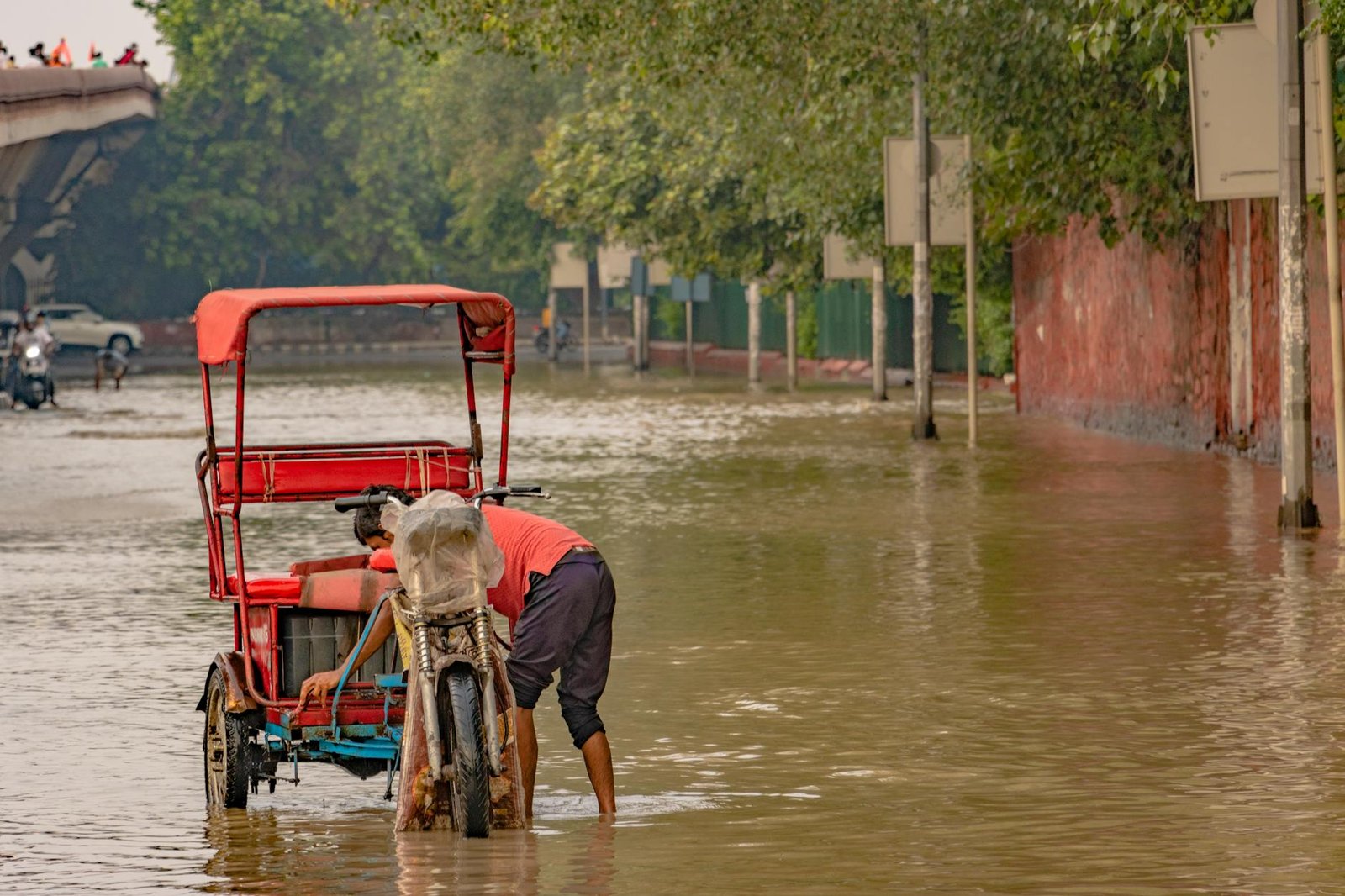
The Indian capital, Delhi, is anticipating a significant surge in temperatures as the mercury is projected to climb towards 44 degrees Celsius, prompting the India Meteorological Department (IMD) to issue an alert for heatwave-like conditions in isolated areas by Sunday evening. The city recorded a minimum temperature of 26.2 degrees Celsius on Sunday, which was noted to be 2.4 notches below the seasonal average, according to data released by the IMD. This forecast signals a period of intense heat that residents will need to prepare for.
As per information available with TahirRihat.com, the weather department has advised of a partly cloudy sky, but this is expected to be accompanied by the possibility of severe heat conditions affecting specific localities. The projected maximum temperature of approximately 44 degrees Celsius underscores the severity of the impending weather pattern. In addition to the rising temperatures, the relative humidity in the capital was measured at 43 percent at 8:30 AM. This combination of high temperatures and moderate humidity can exacerbate the feeling of heat and increase the risk of heat-related ailments.
The air quality in Delhi was also a point of concern, with readings at 9 AM indicating a ‘poor’ Air Quality Index (AQI) of 223, as reported by the Central Pollution Control Board (CPCB). The CPCB categorizes AQI levels, with readings between 201 and 300 classified as ‘poor’. This means that while the immediate focus is on the heatwave, the air quality adds another layer of environmental challenge for the city’s inhabitants. The implications of such high temperatures, especially when combined with poor air quality, can be significant for public health, particularly for vulnerable populations such as the elderly, children, and individuals with pre-existing respiratory or cardiovascular conditions. Authorities are likely to issue advisories on staying hydrated, avoiding prolonged exposure to the sun, and taking necessary precautions to mitigate the health risks associated with extreme heat. The IMD’s orange alert serves as a crucial warning, urging both the public and relevant agencies to be vigilant and prepared for the challenging weather ahead. The consistent monitoring of temperature, humidity, and air quality will be essential in managing the situation effectively. The anticipation of such high temperatures so early in the season also raises questions about the broader climate trends and their impact on urban environments like Delhi, which often experience amplified heat effects due to the urban heat island phenomenon. The coming days will be critical in observing the actual temperature fluctuations and the extent to which the heatwave conditions manifest across the city and surrounding regions. Public health departments are expected to activate their heat action plans to ensure adequate support and medical assistance are available should the need arise. The interplay between rising global temperatures and localized weather events like heatwaves is a growing concern, and Delhi’s experience will be a key indicator of the challenges faced by densely populated urban centers in adapting to a changing climate. The IMD’s proactive alert is a vital step in ensuring preparedness and minimizing the potential adverse effects on the population.

Tahir Rihat (also known as Tahir Bilal) is an independent journalist, activist, and digital media professional from the Chenab Valley of Jammu and Kashmir, India. He is best known for his work as the Online Editor at The Chenab Times.




Leave a Reply