
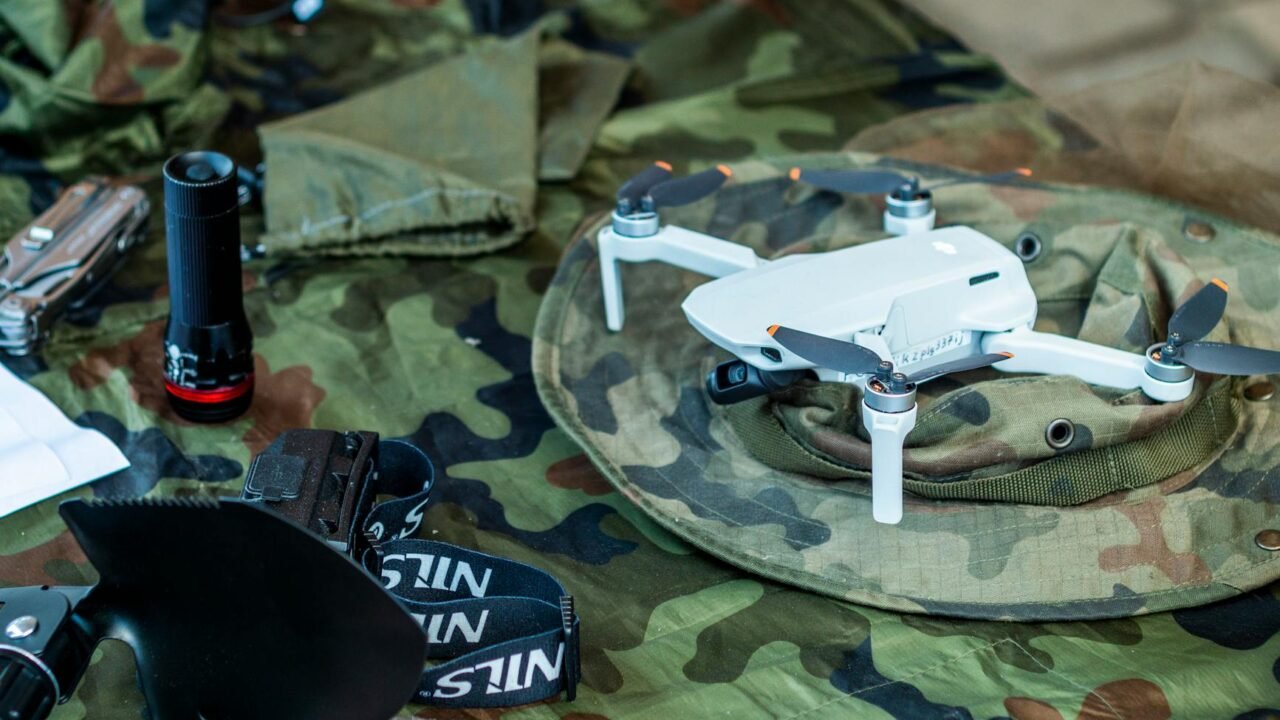
A pivotal figure is emerging in the ongoing conflict in Ukraine, advocating for a radical shift in modern warfare: the deployment of autonomous drones capable of independently making lethal decisions. This individual, whose identity is central to this evolving narrative, is reportedly championing the integration of artificial intelligence into the battlefield, a development that raises profound ethical and strategic questions for global security.
The push for such advanced weaponry is not merely theoretical. Sources indicate that discussions are underway regarding the potential for Ukraine to utilize these autonomous systems, a move that could significantly alter the dynamics of the protracted conflict. The prospect of machines making life-or-death judgments on the battlefield represents a significant leap from current drone technology, which largely relies on human operators for targeting and engagement. Information reaching Tahir Rihat suggests that the technology in question involves sophisticated AI algorithms designed to identify and neutralize targets without direct human intervention in real-time.
This development comes at a critical juncture in the war, where both sides are seeking technological advantages to gain an edge. The introduction of autonomous lethal weapons could offer unprecedented speed and efficiency in military operations, potentially overwhelming adversaries with rapid responses. However, it also opens a Pandora’s Box of concerns, ranging from accountability for unintended casualties to the potential for escalation and the erosion of human control over warfare. The ethical implications of delegating the decision to kill to a machine are immense, prompting urgent debate among policymakers, military strategists, and human rights organizations worldwide.
The individual spearheading this initiative is described as a visionary who believes that autonomous systems are the inevitable future of warfare. His proponents argue that in fast-paced combat scenarios, human reaction times can be a critical disadvantage. Autonomous drones, they contend, can process information and act far more swiftly than human operators, potentially saving friendly lives and achieving objectives more effectively. This perspective, as reported by The New York Times, highlights a belief that technological advancement is paramount in maintaining a strategic advantage in a highly competitive geopolitical landscape.
The potential deployment of these weapons in Ukraine is particularly significant given the country’s ongoing struggle against a larger, technologically advanced adversary. The integration of such advanced AI could be seen as an attempt to level the playing field, providing Ukraine with capabilities that could disrupt traditional military doctrines. However, the international community remains deeply divided on the issue of lethal autonomous weapons systems (LAWS). Many nations and organizations have called for a preemptive ban on such weapons, citing the inherent risks and the potential for a new arms race.
The debate surrounding autonomous weapons is not new, but the prospect of their actual deployment in a live conflict zone like Ukraine brings the issue to a critical inflection point. Experts warn that the development and proliferation of LAWS could lead to a future where wars are fought at machine speed, with devastating consequences for civilian populations and international stability. The ethical framework for such technology is still nascent, and the legal ramifications of actions taken by autonomous systems are largely uncharted territory. As per information available with Tahir Rihat, the international legal bodies are struggling to keep pace with the rapid advancements in AI and its military applications.
The man at the center of this movement is reportedly convinced that the future of war will be defined by intelligent machines. His vision extends beyond mere reconnaissance or logistical support; he is advocating for systems that can independently assess threats and engage targets, a concept that has long been confined to science fiction but is now rapidly becoming a reality. The implications of this shift are far-reaching, touching upon the very nature of conflict and the role of human judgment in it. The New York Times article underscores that this is not a hypothetical debate but a tangible push towards integrating AI into the most critical aspects of military operations.
The strategic advantages touted by proponents of autonomous weapons include enhanced precision, reduced risk to human soldiers, and the ability to operate in environments too dangerous for humans. However, critics raise serious concerns about the potential for algorithmic bias, the difficulty in distinguishing combatants from civilians in complex environments, and the possibility of systems malfunctioning or being hacked, leading to catastrophic outcomes. The lack of a clear chain of command and accountability for actions taken by autonomous systems presents a significant legal and moral challenge.
The ongoing conflict in Ukraine serves as a testing ground for new military technologies, and the potential introduction of autonomous lethal drones represents one of the most significant and controversial developments to date. The decisions made by the individuals and nations involved in this push towards AI-driven warfare will have profound implications for the future of global security and the ethical boundaries of armed conflict. The world is watching closely as this technological frontier is pushed, with the hope that robust international dialogue and ethical considerations will guide the development and deployment of such powerful technologies.

Tahir Rihat (also known as Tahir Bilal) is an independent journalist, activist, and digital media professional from the Chenab Valley of Jammu and Kashmir, India. He is best known for his work as the Online Editor at The Chenab Times.






Leave a Reply