
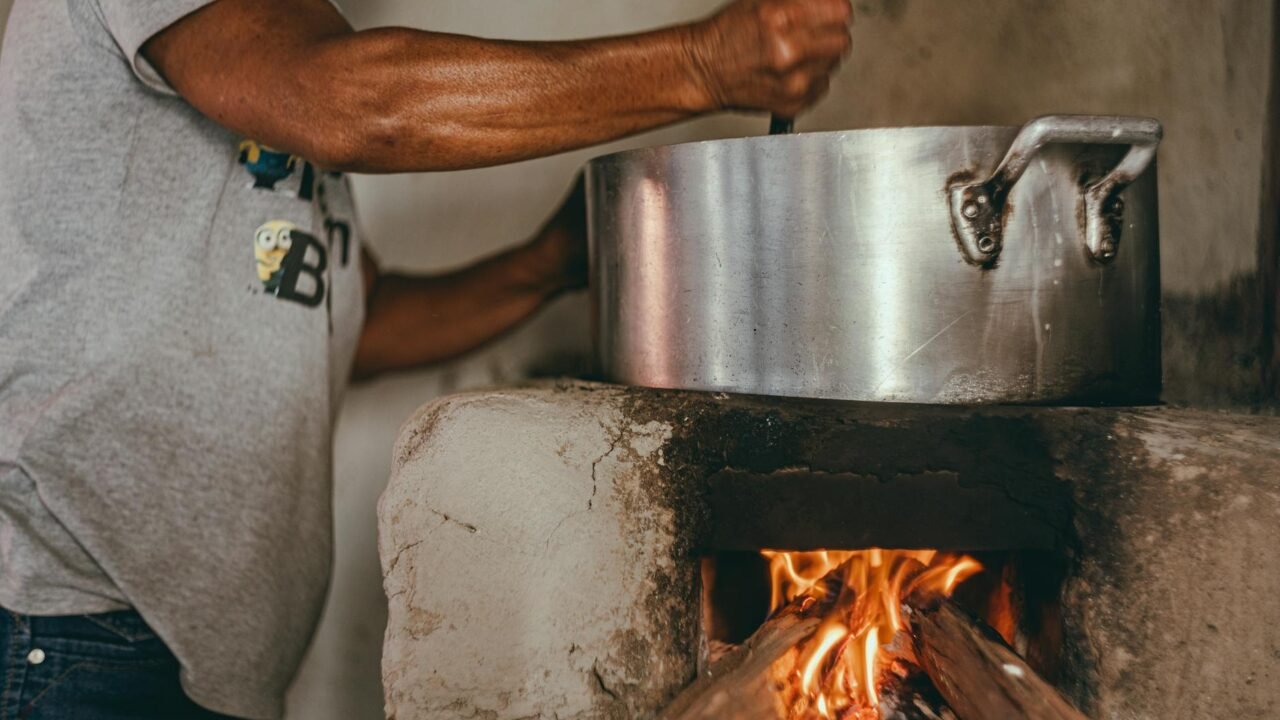
In the vibrant city of Santiago de Cuba, a place steeped in the history of the Cuban revolution, residents are facing a stark reality: a severe energy crisis that has left millions without access to cooking gas. The ongoing impact of the U.S. oil blockade has forced many to revert to traditional methods of cooking, with apartment tower dwellers increasingly relying on charcoal and firewood to prepare their meals. This shift marks a significant challenge for daily life, highlighting the pervasive effects of economic sanctions on the population.
Information reaching Tahir Rihat suggests that the scarcity of cooking fuel is not an isolated incident but a widespread issue affecting numerous households across the island. The reliance on charcoal and wood fires, while a testament to the resilience of the Cuban people, also points to a fundamental disruption in their ability to access basic necessities. The once common sight of gas stoves being used for everyday cooking is becoming a rarity, replaced by the smoke and heat of open fires.
The U.S. oil blockade, a long-standing policy, continues to exert considerable pressure on Cuba’s economy, impacting its energy sector and, consequently, the lives of its citizens. This situation is particularly acute in urban centers like Santiago de Cuba, where population density means that the effects of fuel shortages are felt more acutely. The infrastructure for traditional cooking methods, such as the availability of charcoal and firewood, is now being stretched to meet increased demand.
Residents are adapting by sourcing these alternative fuels, often through informal networks or by making significant efforts to procure them. The logistical challenges of obtaining and storing charcoal and firewood, especially for those living in multi-story buildings, add another layer of difficulty to an already strained existence. The practice of cooking with open flames indoors also raises concerns about air quality and safety within homes.
The implications of this energy crisis extend beyond mere inconvenience. It affects food preparation, family routines, and the overall quality of life. The economic strain of purchasing alternative fuels, which may not be as readily available or affordable as gas, further exacerbates the financial burdens on Cuban families. This situation underscores the complex interplay between international relations, economic policies, and the daily realities faced by ordinary citizens.
The cradle of the Cuban revolution, a city that symbolizes a significant chapter in the nation’s history, is now a microcosm of the current struggles. The ingenuity and adaptability of its residents are on full display as they navigate this challenging period. However, the long-term sustainability of these traditional cooking methods, especially in densely populated urban environments, remains a significant question. The reliance on these methods also has environmental considerations, including deforestation and air pollution, which could become more pronounced with increased usage.
The current situation in Santiago de Cuba and other parts of the island serves as a stark reminder of how geopolitical factors can have profound and direct impacts on the lives of people, influencing even the most basic aspects of daily existence. The ability to cook a meal is a fundamental human need, and the current crisis in Cuba highlights the lengths to which people will go to meet that need when conventional means are unavailable. The adaptation to charcoal and wood fires is not merely a culinary change but a significant societal adjustment driven by external economic pressures.
The challenges are compounded by the fact that Cuba has historically relied on imported oil, making it particularly vulnerable to international supply disruptions and economic sanctions. The blockade has been a consistent factor in shaping the island’s economic landscape, and its effects are continually felt across various sectors, from energy to healthcare and agriculture. The current energy crisis is a direct manifestation of these ongoing economic pressures.
The resilience of the Cuban people in the face of adversity is a recurring theme in the nation’s narrative. However, the current circumstances demand more than just resilience; they call for sustainable solutions that can alleviate the hardship faced by millions. The shift to charcoal and firewood, while a necessary immediate response, underscores the urgent need for reliable and accessible energy sources to ensure the well-being of the population.
The situation in Santiago de Cuba is a powerful illustration of how global politics can translate into tangible, everyday struggles for individuals and communities. The simple act of cooking a meal has become a complex undertaking, reflecting the broader economic and political realities that shape life on the island. The ongoing energy crisis is a developing story with far-reaching consequences for the social fabric of Cuba.

Tahir Rihat (also known as Tahir Bilal) is an independent journalist, activist, and digital media professional from the Chenab Valley of Jammu and Kashmir, India. He is best known for his work as the Online Editor at The Chenab Times.


Leave a Reply