
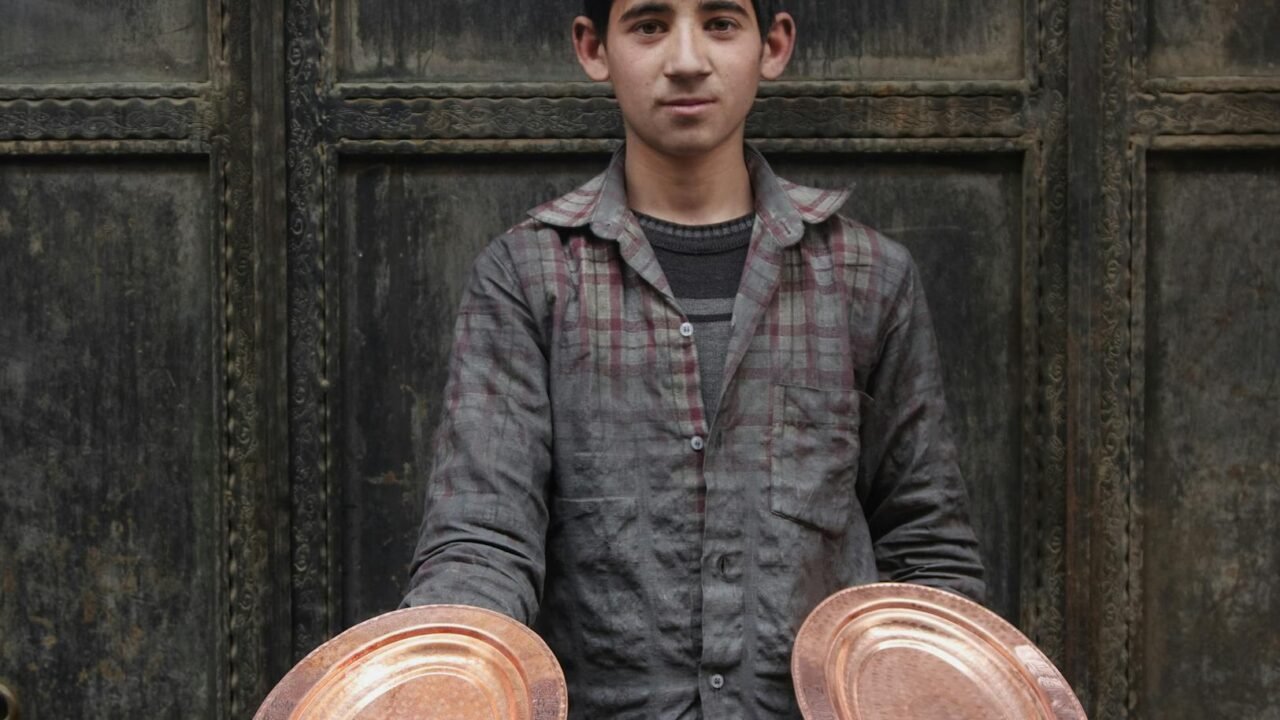
India is celebrating the repatriation of 11th-century Chola dynasty copper plates from the Netherlands, a move that officials say signifies stronger bilateral ties. The handover took place during an event attended by Prime Minister Narendra Modi and his Dutch counterpart, Rob Jetten. The Indian Prime Minister, who had arrived in the Netherlands after a brief stopover in the UAE as part of a five-nation tour, characterized the repatriation as a moment of joy for all Indians.
The Anaimangalam Copper Plates, known in the Netherlands as the Leiden Plates, have been the subject of discussions for return to India since 2012. The set comprises 21 large plates and three smaller plates, containing texts primarily in Tamil, relating to King Rajendra Chola I. Information reaching TahirRihat.com suggests that the texts formalize a commitment initially made by his father, King Rajaraja I. These plates not only highlight the historical context of the Chola dynasty, but also represent the rich cultural heritage of India.
According to PM Modi, the copper plates demonstrate the greatness of the Chola empire, noting India’s pride in their culture and maritime prowess. He expressed gratitude to the Government of the Netherlands and Leiden University, where the plates had been housed since the mid-19th century. External Affairs Ministry spokesperson Randhir Jaiswal stated in a social media post that the return of the copper plates highlights the legacy of the Chola dynasty and represents another step in bringing Indian cultural artifacts back from foreign countries.
The 21 copper plates are considered the most significant surviving records of the Chola dynasty, holding immense importance as artifacts of Tamil heritage existing outside India. Weighing approximately 30 kg, the plates are bound by a bronze ring that features the royal seal of the Chola dynasty. The texts inscribed on the plates are divided into two sections, one in Sanskrit and the other in Tamil. Rajaraja Chola I, a Hindu emperor, allocated revenue endowments for a Buddhist monastery, reflecting a period of diverse religious patronage.
Reportedly, Rajaraja Chola I initially issued the verbal order which was then recorded on palm leaves. His son, Rajendra Chola I, later had the grant amount engraved on durable copper plates to ensure its preservation. The bronze ring that binds the plates bears the seal of Rajendra Chola, solidifying its historical significance. The plates were brought to the Netherlands in the 1700s by Florentius Camper, who was in India as part of a Christian missionary effort during the period when Nagapattinam, a city referenced in the plates, was under Dutch control.
The 24th session of the Intergovernmental Committee on Return and Restitution validated India’s claim as the nation of origin for the plates. The committee has encouraged constructive bilateral dialogue between the Netherlands and India regarding the artifact’s return. The Netherlands ultimately decided to hand over the plates during the Prime Minister’s visit, marking a significant step in cultural repatriation.
This act of returning cultural artifacts comes at a time of increased global dialogue about the repatriation of art and historical items. Museums and governments internationally face mounting pressure to return objects that were acquired during colonial times or under questionable circumstances, which underscores the ethical dimensions of cultural preservation and ownership. This repatriation can strengthen diplomatic ties, promote cultural understanding, and foster a sense of historical justice.
The return of the Chola dynasty copper plates is not just a symbolic gesture; it represents a tangible link to India’s rich historical past. These plates offer insight into the administrative, cultural, and religious practices of the Chola period, enriching the historical narrative available to scholars and the public. With their return, researchers and historians in India will have the opportunity to study these inscriptions firsthand, potentially uncovering new details about the Chola dynasty.
Furthermore, the event highlights the ongoing efforts by the Indian government to reclaim its cultural heritage from various parts of the world. It serves as an example for other nations that possess artifacts of significant cultural value to other countries to engage in constructive dialogues and consider repatriation. It also encourages a reassessment of Western museum collections and promotes collaborative initiatives aimed at preserving and celebrating global cultural history.

Tahir Rihat (also known as Tahir Bilal) is an independent journalist, activist, and digital media professional from the Chenab Valley of Jammu and Kashmir, India. He is best known for his work as the Online Editor at The Chenab Times.


Leave a Reply