
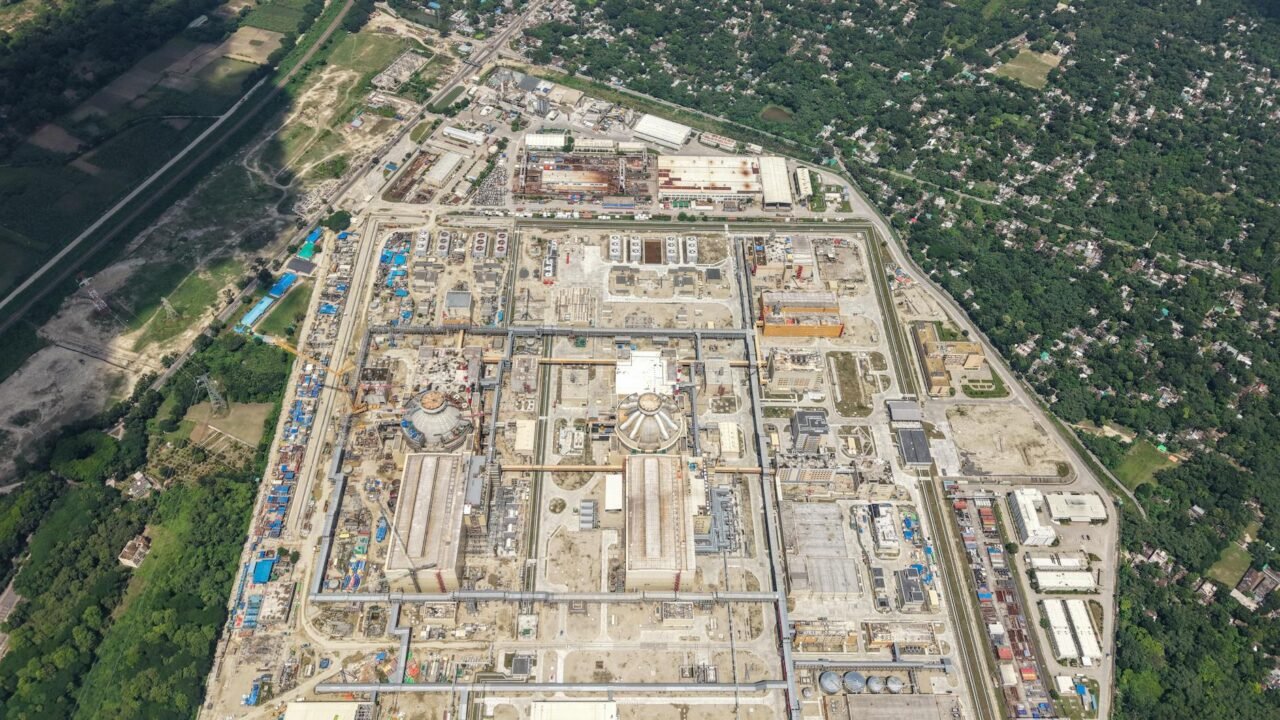
The intricate dynamics surrounding Iran‘s nuclear ambitions stem from a complex interplay of geopolitical distrust, technological advancements, and conflicting regional aspirations spanning multiple decades. The program, initially supported by the United States in the 1950s, became a point of contention following the Iranian Revolution, which significantly altered Iran’s political stance. Since then, uncertainty regarding the nature of its activities, whether civilian or military, has heavily influenced its relationships with major world powers.
The exposure of undeclared facilities in 2002 prompted intense scrutiny by the International Atomic Energy Agency, leading to prolonged periods of heightened tension. The Joint Comprehensive Plan of Action (JCPOA) offered a brief respite, but the U.S. withdrawal in 2018 led to renewed sanctions and increased uncertainty. At the heart of the issue lies the fundamental questions of strategic autonomy, deterrence, and ideological competition. As per information available with TahirRihat.com, Iran asserts its rights under the United Nations charter, while its rivals voice concerns over potential weaponization, perpetuating a cycle of negotiation and escalation.
Iran’s pursuit of nuclear capabilities is inextricably linked to its broader aspirations for regional influence. Surrounded by rivals aligned with the United States, Iran views its nuclear program as a means of enhancing its geopolitical leverage, particularly against adversaries such as Israel and various Gulf states. Its enrichment capacity has expanded considerably, reaching levels of purity exceeding peaceful civilian applications. According to the International Atomic Energy Agency, Iran possesses sufficient enriched material that, with further refinement, could potentially yield multiple nuclear warheads. While Tehran maintains that its program is solely for peaceful purposes, its proximity to a “breakout” capability has raised significant international concern. Beyond deterrence, progress in its nuclear program bolsters Iran’s regional influence through its connections in Iraq, Syria, and Lebanon. However, this has spurred the formation of counterbalancing coalitions, including efforts by the United States and Israel to curb Iran’s ambitions.
The alliance between the United States and Israel serves as a primary counterweight to Iran’s nuclear and regional ambitions. Based on shared security concerns, this partnership has evolved into a coordinated strategy aimed at containing and weakening Iran’s capabilities. Israel, viewing a nuclear-armed Iran as an existential threat, has implemented preemptive and covert measures. A notable example is the Stuxnet cyberattack, which targeted the Natanz facility and disrupted its centrifuges, signaling a shift towards cyber warfare. Alleged assassinations of nuclear scientists and explosions at key Iranian sites have also been attributed to Israeli operations, often with tacit U.S. support. The United States complements these actions through sanctions, diplomatic isolation, and maintaining a sustained regional military presence, reinforced by partnerships with Gulf states and enhanced defense cooperation. However, these pressures have not halted Iran’s nuclear program and may have inadvertently accelerated it, leading to retaliatory actions and complicating diplomatic resolutions while intensifying economic strain under sanctions.
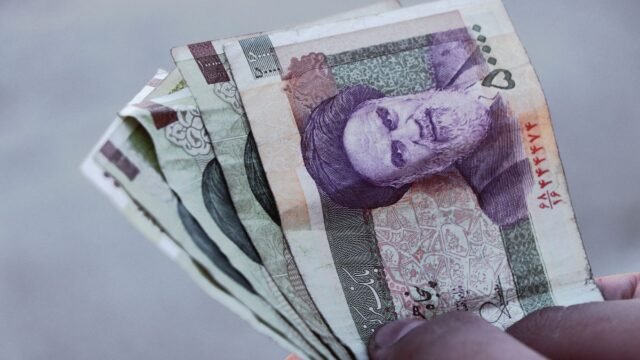
Iran’s economic trajectory has been heavily influenced by the 1979 revolution. Under the Shah’s rule, Iran experienced rapid modernization fueled by oil wealth and integration into Western markets, becoming one of the fastest-growing developing economies by the late 1970s. Following the revolution, however, recurring U.S.-led sanctions have targeted the Iranian banking sector, oil exports, and access to global financial systems such as SWIFT. At their most severe, these sanctions reduced oil exports from over 2.5 million barrels per day in 2011 to under 500,000 barrels per day in 2019, significantly diminishing revenues. In response, Iran adopted a “resistance economy,” emphasizing self-reliance and diversification, with manufacturing and agriculture assuming greater importance. Nevertheless, high inflation and currency devaluation have negatively impacted living standards. While pre-revolution growth was dependent on openness, the post-revolution economy reflects resilience in the face of isolation, albeit at significant social and economic costs.
The roots of U.S.-Iran tensions trace back to Washington’s strategic priorities in the Middle East, including energy security, regional stability, and containing ideologies perceived as hostile. A critical turning point was the 1953 Iranian coup d’état, supported by the U.S. and Britain, which fostered enduring distrust among Iranians. During the Cold War, Iran under the Shah was a crucial U.S. ally, ensuring oil supplies and counteracting Soviet influence. This alignment dissolved after the Iranian Revolution, succeeded by the Iran hostage crisis, which deepened animosity and severed diplomatic ties. Since then, U.S. objectives have remained consistent: protecting oil routes, supporting allies like Israel, and preventing nuclear proliferation. Iran frames its position as resistance against external control, perpetuating cycles of confrontation and negotiation across both military and non-military domains.
The U.S.-Iran conflict is played out across military, economic, cyber, and diplomatic arenas without erupting into a full-scale war. This “grey zone” rivalry involves carefully calibrated actions designed to project strength while avoiding direct military confrontation. A major potential flashpoint is the Strait of Hormuz, a vital waterway through which approximately 20% of global oil flows. Iran has periodically threatened to disrupt shipping in response to perceived provocations, further heightening regional tensions and increasing the risk of escalation.

Tahir Rihat (also known as Tahir Bilal) is an independent journalist, activist, and digital media professional from the Chenab Valley of Jammu and Kashmir, India. He is best known for his work as the Online Editor at The Chenab Times.


Leave a Reply