
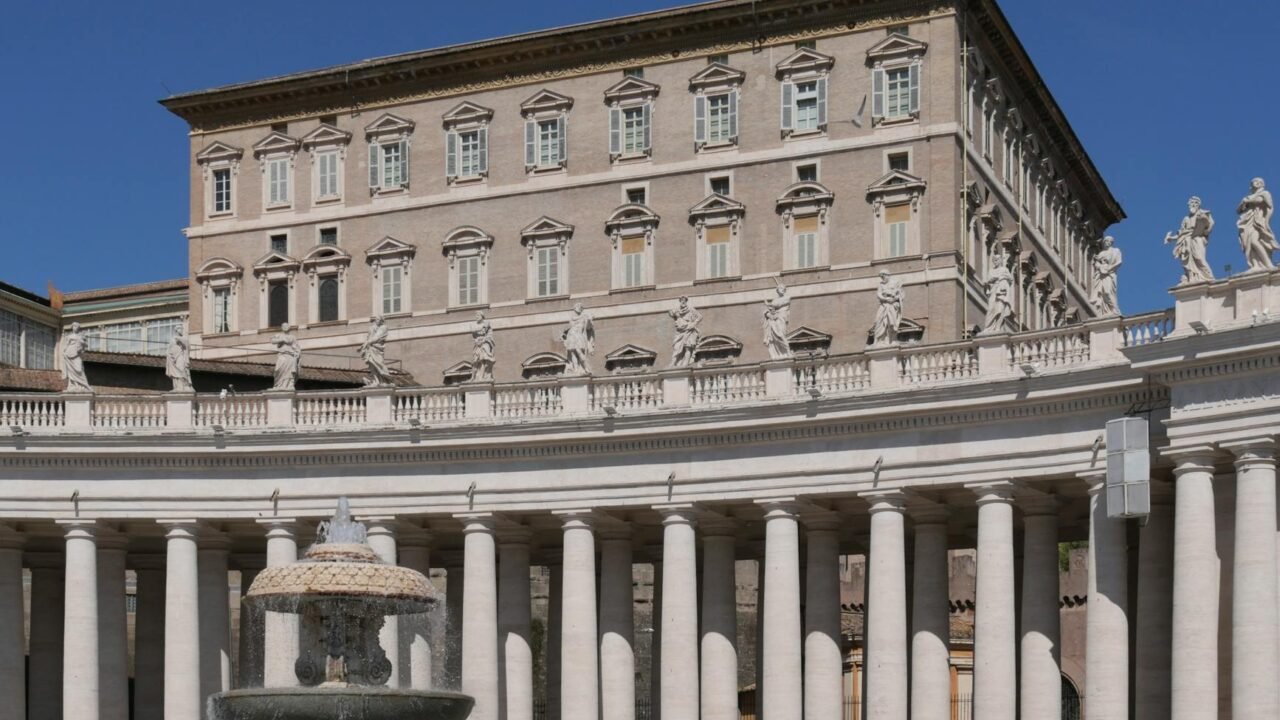
Pope Leo’s recent impassioned plea for artificial intelligence leaders to exercise caution and consider the potential perils of the rapidly advancing technology was notably underscored by the presence of a key figure from the AI industry. The pontiff’s call for a more deliberate and ethically grounded approach to AI development was delivered in a setting where a co-founder of a prominent AI company was in close proximity, a detail that adds a significant layer to the Vatican’s engagement with the transformative power of artificial intelligence.
The meeting, which brought together influential figures in the AI sector, saw Pope Leo articulating his profound concerns about the unchecked acceleration of AI capabilities. Information reaching Tahir Rihat suggests that the Pope’s message was not merely a general admonition but a direct appeal to those at the forefront of AI innovation, urging them to pause and reflect on the societal and ethical implications of their creations. The presence of an industry insider, positioned just three seats away from the Pope, provided a tangible connection between the spiritual leader’s moral imperatives and the technological architects shaping the future.
This convergence of religious authority and technological expertise highlights a growing dialogue between the Vatican and the global AI community. Pope Leo has increasingly voiced his views on the ethical dimensions of technology, emphasizing the need for AI to serve humanity and uphold human dignity. His recent address served as a powerful reiteration of these principles, framing the development of artificial intelligence not just as a scientific or economic endeavor, but as a profound moral undertaking. The proximity of the AI company co-founder, as reported by The New York Times, suggests a deliberate effort to engage directly with the creators and decision-makers within the AI landscape, rather than addressing them from a distance.
The implications of this encounter are far-reaching. It signals a Vatican that is not only observing the rise of AI with interest but is actively seeking to influence its trajectory. The Pope’s call to “slow down” is a direct challenge to the prevailing ethos of rapid innovation and market competition that often characterizes the tech industry. By urging a consideration of AI’s “possible perils,” the pontiff is drawing attention to a spectrum of potential negative consequences, which could range from widespread job displacement and the exacerbation of inequalities to the erosion of privacy and the potential for autonomous systems to operate beyond human control or ethical oversight.
The specific mention of the AI leader being seated just three places away from the Pope underscores the intimate nature of this engagement. It suggests that the Vatican is not content with abstract pronouncements but is seeking to foster a more direct and perhaps even collaborative relationship with key players in the AI field. This approach aims to imbue the development process with ethical considerations from its inception, rather than attempting to retrofit ethical frameworks onto technologies that have already been deployed. The Vatican’s involvement in these discussions reflects a broader trend of religious and ethical institutions grappling with the profound societal shifts brought about by advanced technologies.
The broader context of this interaction involves the increasing recognition across various sectors of the transformative and potentially disruptive nature of artificial intelligence. Governments, academics, and civil society organizations worldwide are engaging in similar debates about AI governance, regulation, and ethical deployment. Pope Leo’s intervention, however, carries a unique moral authority, drawing upon centuries of theological and philosophical reflection on human nature, society, and the common good. His emphasis on the “perils” of AI is a reminder that technological progress, while offering immense benefits, also carries inherent risks that must be proactively managed.
The positioning of the AI executive so close to the Pope during this critical address suggests a deliberate strategy by the Vatican to ensure its message was not only heard but also understood by those with the power to enact change. It implies an effort to bridge the gap between technological advancement and ethical stewardship, a gap that many observers believe is widening. The Vatican’s engagement with AI is part of a larger effort to address the complex challenges posed by emerging technologies, seeking to ensure that they are developed and used in ways that are beneficial to all of humanity.
The specific details of the AI company and the individual are not elaborated upon in the initial report, but their proximity to the Pope during his address is presented as a significant element. This suggests that the Vatican is not only interested in the theoretical aspects of AI ethics but is also engaging with the practical realities of AI development and its commercial applications. The Pope’s message is a call for a more human-centric approach to technology, one that prioritizes well-being, justice, and the inherent dignity of every person over the relentless pursuit of innovation for its own sake.
The Vatican’s increasing focus on artificial intelligence reflects a growing awareness of the technology’s pervasive influence on nearly every aspect of modern life, from communication and commerce to healthcare and governance. By directly addressing AI leaders and engaging with them in close proximity, Pope Leo is signaling a commitment to being an active participant in shaping the future of this powerful technology. This proactive stance aims to ensure that the development of AI aligns with fundamental human values and contributes to a more just and equitable world.

Tahir Rihat (also known as Tahir Bilal) is an independent journalist, activist, and digital media professional from the Chenab Valley of Jammu and Kashmir, India. He is best known for his work as the Online Editor at The Chenab Times.




Leave a Reply