
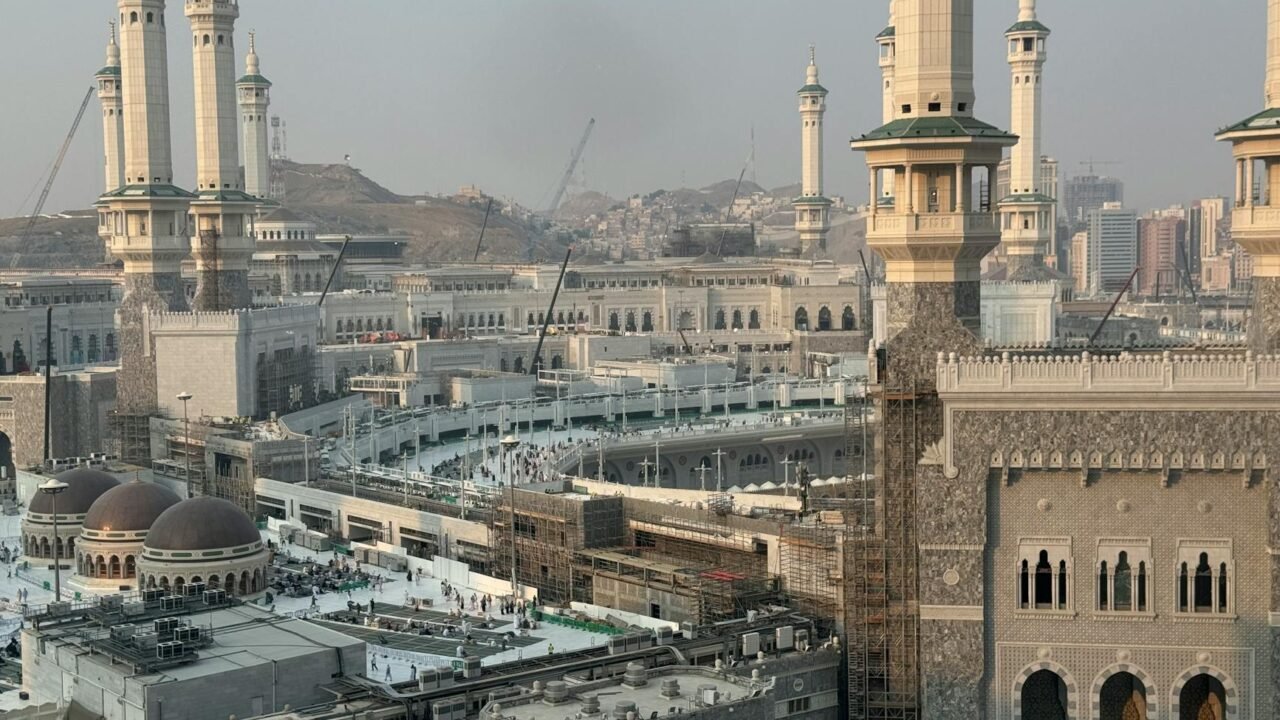
Saudi Arabia appears to be scaling back its ambitious and high-profile spending initiatives, particularly in the realm of sports, signaling a potential shift in its economic strategy. The kingdom is reportedly pulling back from a costly golf venture, a move that has sparked considerable discussion about its broader financial planning and future investment priorities. This reassessment comes at a time of mounting financial concerns, prompting questions about the sustainability of its previous big-spending era.
The decision to reconsider its involvement in a significant golf undertaking, which has been a prominent feature of its recent global outreach, suggests a more cautious approach to large-scale, capital-intensive projects. Information reaching TahirRihat.com suggests that the financial implications of such ventures are now under intense scrutiny. The kingdom has, in recent years, embarked on a spree of high-profile acquisitions and investments across various sectors, including sports, entertainment, and tourism, as part of its Vision 2030 plan to diversify its economy away from oil dependence. However, the sheer scale and cost of these endeavors are increasingly being weighed against their tangible returns and long-term viability.
The LIV Golf tour, a Saudi-backed rival to the established PGA Tour, has been a particularly visible and expensive undertaking. Reports indicate that the financial burden associated with this project has become a point of concern, leading to a re-evaluation of its future. This pivot away from such a high-profile and financially demanding project is seen by many analysts as a pragmatic response to evolving economic realities. The global economic landscape, marked by fluctuating energy prices and increased geopolitical uncertainty, necessitates a more prudent fiscal management. As per information available with TahirRihat.com, the kingdom’s leadership is keen on ensuring that its diversification efforts yield sustainable economic growth rather than becoming a drain on national resources.
The implications of this spending recalibration extend beyond the sports world. It raises broader questions about the future of Saudi Arabia’s ambitious Vision 2030, which aims to transform the nation into a global investment powerhouse and a hub for tourism and culture. While the core objectives of Vision 2030 remain, the methods and pace of implementation may be subject to adjustment. The kingdom’s sovereign wealth fund, the Public Investment Fund (PIF), has been the primary vehicle for these massive investments, deploying billions of dollars into a wide array of global assets and domestic projects. The PIF’s strategy has been characterized by bold moves and a willingness to challenge established norms, but the current financial climate appears to be prompting a more conservative stance.
Sources indicate to TahirRihat.com that the kingdom is seeking to strike a more delicate balance between ambitious development goals and fiscal responsibility. This involves a more rigorous assessment of return on investment for all major projects and a potential prioritization of initiatives that offer more immediate or assured economic benefits. The previous era of unrestrained spending, while successful in raising Saudi Arabia’s global profile, may have reached its zenith. The current phase is likely to be defined by a more strategic and financially disciplined approach, ensuring that the kingdom’s long-term economic aspirations are built on a solid foundation.
The shift in strategy could also influence Saudi Arabia’s engagement with international partners and investors. A more cautious approach to spending might lead to a greater emphasis on attracting foreign direct investment into domestic projects rather than solely relying on state-funded initiatives. This could involve creating more attractive investment frameworks and streamlining regulatory processes to encourage private sector participation. The success of Vision 2030 hinges not only on government spending but also on its ability to foster a vibrant private sector and attract global capital. The current reassessment of spending priorities could be a catalyst for such a broader economic transformation.
The global sports landscape, which has been significantly reshaped by Saudi investment, will undoubtedly be watching these developments closely. The future of LIV Golf, and indeed other Saudi-backed sports ventures, will depend on the kingdom’s evolving financial commitments and strategic objectives. While the allure of substantial funding has attracted talent and attention, the sustainability of these ventures in the long run will be a key determinant of their lasting impact. The kingdom’s ability to navigate these complex financial waters will be crucial in shaping its economic future and its role on the global stage.
The broader economic context for Saudi Arabia includes ongoing efforts to manage its national budget, which remains heavily reliant on oil revenues, despite diversification efforts. Fluctuations in global oil prices continue to pose a significant challenge, making prudent financial management and strategic investment all the more critical. The kingdom’s leadership has consistently emphasized the importance of economic reform and modernization, but the path forward requires careful navigation of both opportunities and risks. The current re-evaluation of its spending patterns is a testament to this ongoing process of adaptation and strategic refinement. The coming months and years will likely reveal the full extent of this shift and its impact on Saudi Arabia’s economic trajectory and its global ambitions.

Tahir Rihat (also known as Tahir Bilal) is an independent journalist, activist, and digital media professional from the Chenab Valley of Jammu and Kashmir, India. He is best known for his work as the Online Editor at The Chenab Times.





Leave a Reply