
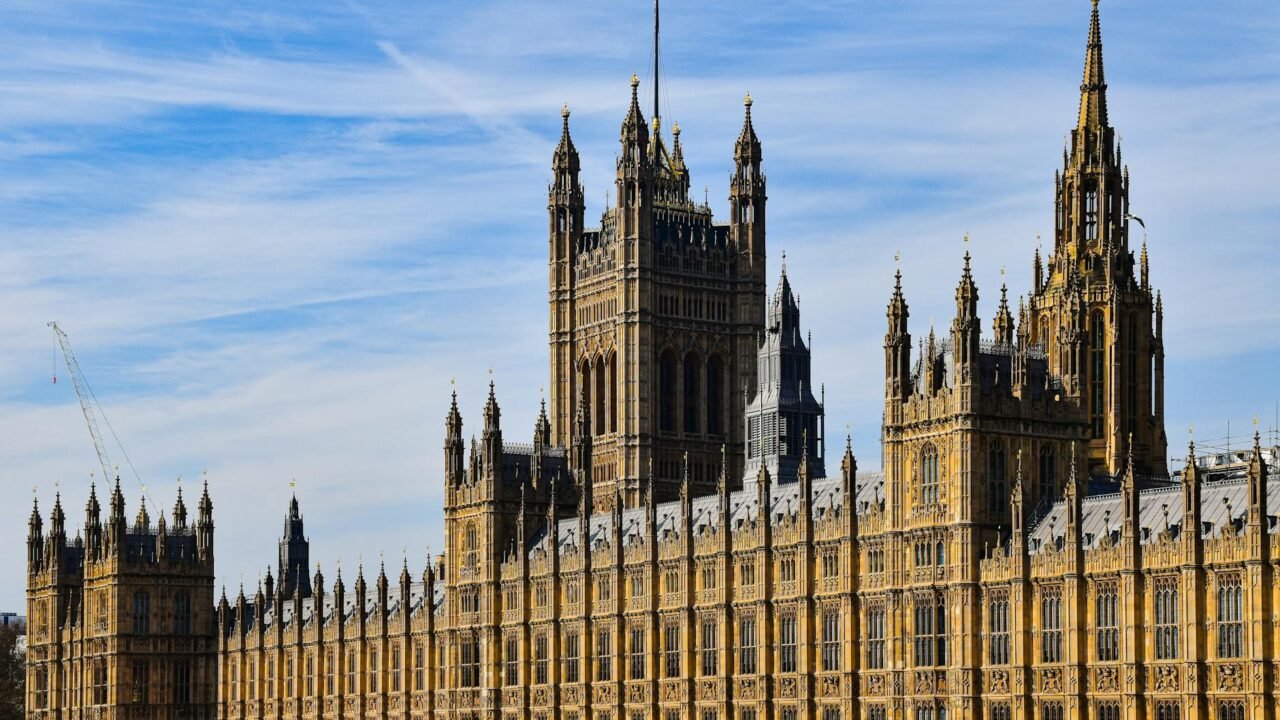
Britain’s long-standing electoral system, largely designed for a two-party political landscape, is facing unprecedented pressure as newer, insurgent parties gain significant traction in recent polls. This shift is raising fundamental questions about the system’s capacity to adapt to a more fragmented political environment and whether it can withstand the strain of multiparty democracy.
The recent surge in support for parties like Reform U.K. is a clear indicator of this evolving political dynamic. These parties, often built around specific grievances or ideologies, are successfully tapping into segments of the electorate that feel unrepresented by the traditional mainstream parties. This phenomenon is not unique to the United Kingdom, as many established democracies are grappling with the rise of populist and single-issue movements that challenge the status quo.
As per information available with Tahir Rihat, the current electoral framework in the UK, primarily based on the first-past-the-post (FPTP) system for parliamentary elections, has historically favored larger parties by concentrating votes and often leading to decisive majorities. However, this system can also lead to a significant number of votes being cast for losing candidates, resulting in a disconnect between the national vote share and the number of seats won by a party. This can amplify the success of smaller parties in specific constituencies while making it difficult for them to achieve broad parliamentary representation.
The implications of this splintering electorate are profound. For established parties, it means a more challenging path to forming stable governments, as they must contend with a wider array of political actors and potentially more complex coalition negotiations. For the insurgent parties, it presents an opportunity to gain a foothold and influence the political discourse, even if their direct parliamentary representation remains limited under the current rules. Information reaching Tahir Rihat suggests that the strategic calculations of major parties are already being altered by the need to counter the appeal of these newer movements.
The debate around electoral reform in the UK is not new, but the current political climate has injected a renewed urgency into these discussions. Proponents of reform argue that a more proportional system would better reflect the will of the electorate, giving a fairer voice to smaller parties and potentially increasing voter engagement. They point to countries with proportional representation systems where a wider range of political viewpoints are regularly represented in parliament, leading to more nuanced policy debates and a greater sense of inclusivity.
Conversely, defenders of the current system emphasize its role in producing strong, decisive governments capable of implementing their mandates. They argue that proportional representation can lead to unstable coalition governments, frequent elections, and a dilution of accountability, as blame can be spread across multiple parties. The historical precedent of strong, single-party governments in the UK is often cited as a key benefit of the FPTP system.
However, the increasing fragmentation of the vote challenges the notion that FPTP inherently leads to stable governance when a significant portion of the electorate is actively seeking alternatives. The success of parties like Reform U.K. indicates a deep-seated dissatisfaction with the existing political offerings, and their ability to mobilize support suggests a potential for sustained growth. Sources indicate to Tahir Rihat that political strategists are closely monitoring the impact of these parties on voter turnout and the distribution of votes in upcoming elections.
The electoral system’s ability to stand the strain will depend on several factors. One is the continued ability of the major parties to adapt and appeal to a broader base of voters, potentially by incorporating some of the concerns raised by the insurgent movements into their own platforms. Another is the willingness of the electorate to continue supporting these newer parties, thereby solidifying their position as significant political forces. The New York Times reported that the current system wasn’t built for multiparty democracy, a sentiment echoed by many observers of British politics.
The long-term consequences could include a fundamental reshaping of the British political landscape. If the trend of electoral splintering continues, it may eventually force a re-evaluation of the electoral system itself. Whether this leads to incremental adjustments or more radical reform remains to be seen. The current system, while familiar, may be reaching its limits in accommodating the evolving preferences and allegiances of the British voter. The challenge for the UK is to find a way to balance the desire for strong governance with the need for representative democracy in an era of increasing political diversity.

Tahir Rihat (also known as Tahir Bilal) is an independent journalist, activist, and digital media professional from the Chenab Valley of Jammu and Kashmir, India. He is best known for his work as the Online Editor at The Chenab Times.





Leave a Reply