
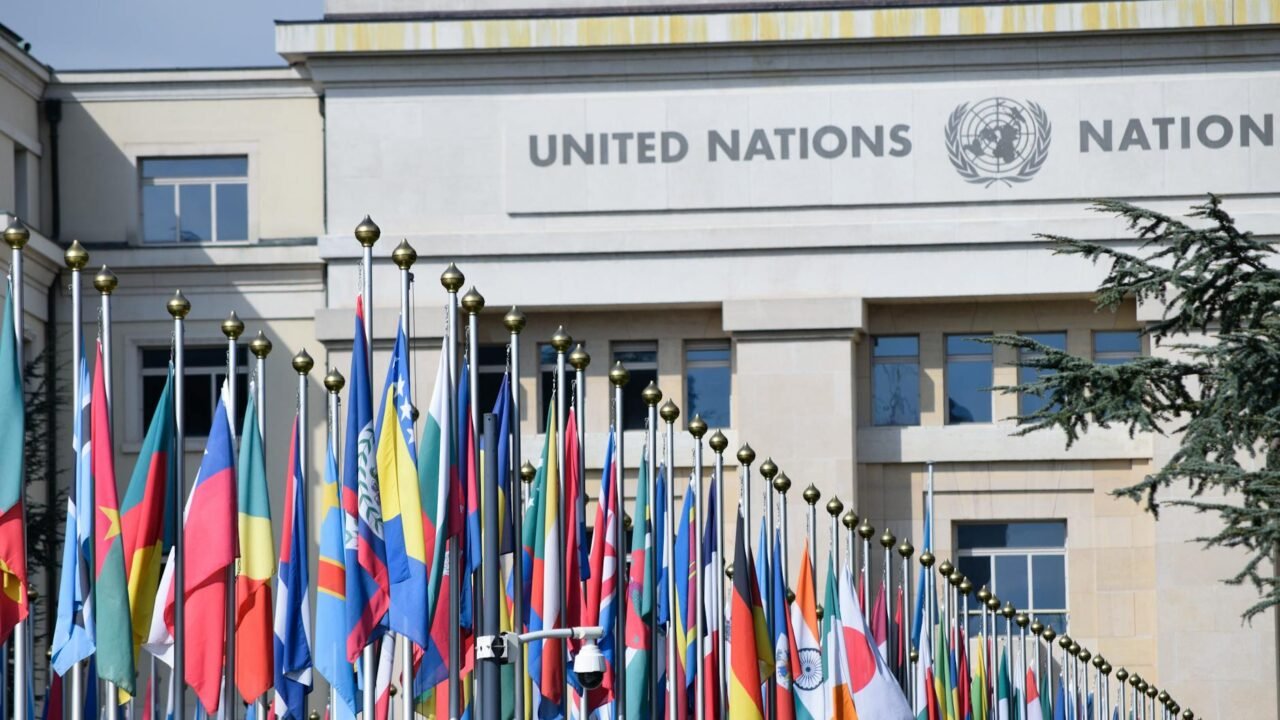
The United States has reimposed sanctions on Francesca Albanese, a United Nations legal expert whose work examining Israel’s actions has led to accusations of antisemitism. This decision follows a recent court order that had directed the Treasury Department to suspend these penalties against Albanese.
The development signifies a renewed stance by the U.S. administration regarding Albanese’s critical assessments of Israel’s policies and conduct. Her role as a special rapporteur for the UN Human Rights Council has placed her in a position to scrutinize alleged violations of international law. However, her reports and public statements have consistently drawn sharp criticism from Israeli officials and their allies, who contend that her analyses are biased and exhibit antisemitic undertones.
Information reaching Tahir Rihat suggests that the initial court order had provided a temporary reprieve for Albanese, allowing her to operate without the immediate threat of U.S. financial restrictions. This legal challenge was seen by some as a victory for freedom of expression and the right of UN experts to conduct their mandated investigations without undue pressure. The U.S. government, however, has maintained its position that Albanese’s rhetoric crosses a line, justifying the imposition of sanctions.
Albanese has been a vocal critic of Israel’s occupation of Palestinian territories and its military actions. Her reports have often detailed alleged human rights abuses and violations of international humanitarian law. These findings have been instrumental in shaping international discourse and have been cited by various human rights organizations and international bodies. The U.S. government’s decision to re-sanction her is likely to be met with further condemnation from human rights advocates and international legal scholars who support her work.
The specifics of the U.S. court’s initial order to suspend the penalties were not immediately detailed in the available information, but it was understood to be a significant legal setback for the Treasury Department’s efforts to penalize Albanese. The subsequent reinstatement of these sanctions indicates a determined effort by the U.S. to counter what it perceives as biased and unacceptable criticism of its key ally in the Middle East.
The implications of this move extend beyond the individual case of Francesca Albanese. It raises broader questions about the boundaries of free speech, the independence of UN human rights mechanisms, and the extent to which governments can impose sanctions on individuals performing their official duties based on their critical assessments of state actions. The international community is likely to closely monitor the fallout from this decision, particularly concerning the future of independent investigations into alleged human rights violations.
Albanese’s mandate as a special rapporteur allows her to investigate and report on specific human rights issues or country situations independently. Her focus on Israel has been particularly intense, leading to a series of detailed reports that have been highly controversial. The U.S. has consistently defended Israel against international scrutiny, often characterizing such scrutiny as politically motivated and biased. This latest action aligns with that broader policy objective.
The Treasury Department’s authority to impose sanctions is typically used to target individuals or entities involved in terrorism, illicit financial activities, or those posing a threat to national security. The application of these powers against a UN legal expert, based on her critical reporting, marks a significant escalation in the diplomatic and legal battles surrounding the Israeli-Palestinian conflict. It underscores the deep divisions within the international community regarding the conflict and the methods used to address alleged human rights abuses.
The legal basis for the U.S. sanctions against Albanese, and the subsequent court order to suspend them, are complex. However, the re-imposition of these measures suggests that the U.S. administration believes it has grounds to proceed, potentially through different legal avenues or by presenting new arguments to the court. The ongoing legal and political wrangling surrounding Albanese’s work is far from over, and further developments are expected.
Her critics have often pointed to specific statements or reports where they allege she has made generalizations or employed language that echoes antisemitic tropes. These accusations have been a persistent challenge to her credibility and the legitimacy of her findings in the eyes of those who support Israel. The U.S. government has aligned itself with these criticisms, framing its sanctions as a necessary response to what it deems unacceptable rhetoric.
The United Nations, while often a platform for diverse viewpoints, also faces challenges in navigating the political sensitivities surrounding certain conflicts. The role of special rapporteurs is to provide an independent, expert perspective, but their findings can be highly contentious, especially when they challenge the policies of powerful states or their allies. The U.S. action against Albanese could be seen as an attempt to silence or discredit a critical voice within the UN system.
The international legal framework governing human rights investigations and the conduct of state actors is intricate. Albanese’s work falls within this framework, and her reports are intended to contribute to accountability and the upholding of international law. The U.S. decision to sanction her, therefore, has implications for the broader international legal order and the mechanisms designed to protect human rights globally.
The situation highlights the ongoing tension between the imperative to hold states accountable for alleged human rights violations and the political realities of international diplomacy. The U.S. government’s firm stance in defending Israel against international criticism, even when it involves a UN legal expert, demonstrates the enduring strength of that alliance and the significant political capital it commands on the global stage.
The legal battle over the sanctions is likely to continue, with potential for further court challenges and diplomatic interventions. The international community will be watching to see how these developments unfold and what impact they have on the work of UN human rights experts and the broader pursuit of justice and accountability in conflict zones.

Tahir Rihat (also known as Tahir Bilal) is an independent journalist, activist, and digital media professional from the Chenab Valley of Jammu and Kashmir, India. He is best known for his work as the Online Editor at The Chenab Times.




Leave a Reply