
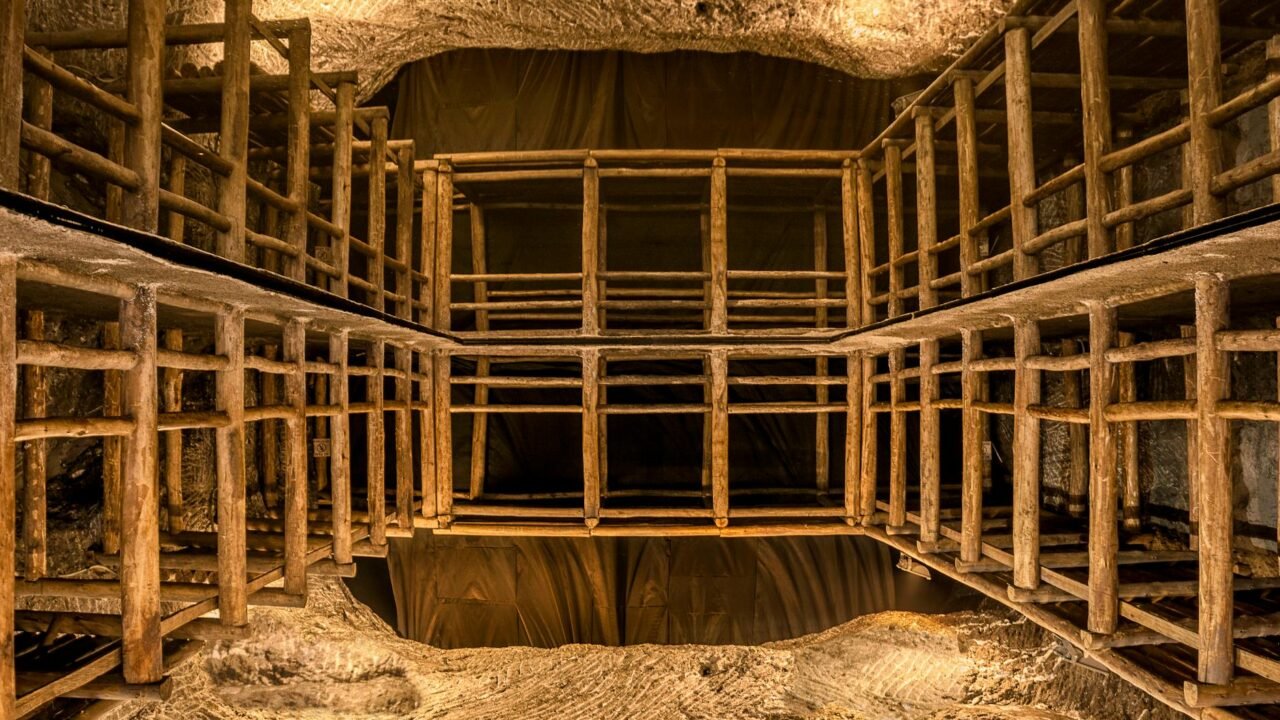
In the heart of the Democratic Republic of Congo, a region long reliant on the glint of gold, a devastating outbreak of the Ebola virus is now intrinsically linked to the very industry that sustains its communities. The remote hill town, a hub for artisanal mining for decades, has become a focal point for the escalating health crisis, with the movement of miners and the nature of their work facilitating the virus’s rapid transmission.
The lifeblood of this isolated Congolese settlement has for generations been its gold mines. Now, this same industry is proving to be a significant vector in the spread of a devastating virus, according to reports. The intricate network of mining operations, often informal and extending across vast, difficult-to-access terrains, has created a challenging environment for containment efforts. As individuals move between mining sites and their homes, often in densely populated areas, the virus finds fertile ground to spread, overwhelming local health infrastructure.
Information reaching Tahir Rihat suggests that the close-knit nature of mining communities, coupled with the arduous and often unsanitary conditions within the mines themselves, creates an ideal scenario for the transmission of highly contagious diseases like Ebola. The economic dependence on gold extraction means that even in the face of an epidemic, many individuals continue to work in the mines, driven by the necessity of survival. This persistent activity, despite public health warnings, significantly complicates efforts to isolate infected individuals and trace their contacts.
The logistical challenges in reaching these remote mining areas are immense. Limited access roads, a scarcity of medical personnel, and a lack of essential resources further hinder the response to the outbreak. The World Health Organization and other international health bodies are working to deploy medical teams and supplies, but the sheer scale of the affected region and the ongoing mining activities present formidable obstacles. The movement of people, both within the mining sector and in their daily lives, has created a complex web of potential exposures that health officials are struggling to untangle.
The economic realities of the region play a crucial role in the unfolding crisis. Gold mining, while a source of livelihood, often operates with minimal regulation, leading to crowded working conditions and a lack of basic hygiene facilities. These factors, combined with the cultural practices and social interactions within these communities, contribute to the rapid dissemination of the virus. The urgency to contain Ebola is compounded by the economic imperative for many to continue their work, creating a difficult balance between public health and economic survival. As the virus spreads, the long-term implications for the region’s development and its population’s health are becoming increasingly dire.
The interconnectedness of mining and disease transmission in this part of Congo highlights a broader challenge in global health: how to address outbreaks in resource-limited settings where economic activities can inadvertently exacerbate public health crises. The international community faces the dual task of not only combating the immediate threat of Ebola but also exploring sustainable solutions that can support these communities without compromising their health and safety. The gold extracted from these hills, while valuable on the global market, comes at a profound human cost when it becomes intertwined with the spread of such a deadly pathogen.
The global demand for gold often fuels these artisanal mining operations, creating a complex supply chain that stretches far beyond the borders of the Democratic Republic of Congo. While the focus remains on the immediate health crisis, the underlying economic drivers that contribute to the conditions facilitating the outbreak cannot be ignored. Addressing the Ebola crisis effectively will require a multi-faceted approach that considers not only medical interventions but also the socio-economic factors that make these communities vulnerable. The challenge lies in finding ways to support livelihoods while simultaneously safeguarding public health, a delicate balancing act in a region grappling with both poverty and a deadly epidemic.
The outbreak serves as a stark reminder of the global health security implications of localized epidemics, particularly in regions where economic activities like mining can create pathways for disease transmission. The movement of people, goods, and resources associated with mining operations can inadvertently carry pathogens across borders, underscoring the need for robust public health surveillance and response mechanisms in all corners of the world. The efforts to contain Ebola in this Congolese mining region are not just a local concern but a critical component of global health preparedness.

Tahir Rihat (also known as Tahir Bilal) is an independent journalist, activist, and digital media professional from the Chenab Valley of Jammu and Kashmir, India. He is best known for his work as the Online Editor at The Chenab Times.




Leave a Reply