
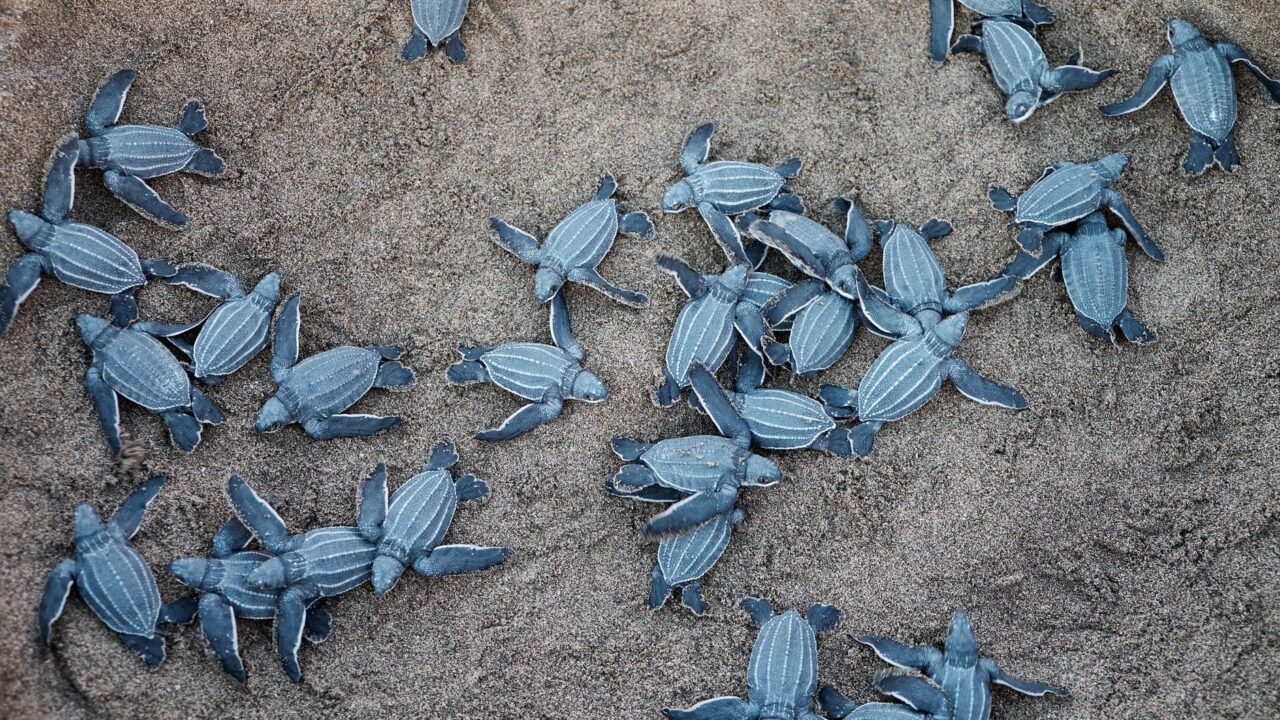
Mona Khalil, a dedicated conservationist and guesthouse owner who spent a quarter of a century safeguarding endangered sea turtles along the Lebanese coast, has been killed in an Israeli strike in Lebanon. Her death marks a tragic loss for the environmental community and the region she tirelessly worked to protect.
For twenty-five years, Ms. Khalil was a steadfast presence near Tyre, Lebanon, where she managed a guesthouse and devoted her life to the protection of sea turtles. These ancient mariners, facing numerous threats, rely on a specific stretch of beach near Tyre to lay their eggs each summer. Ms. Khalil’s efforts were instrumental in providing a sanctuary for these vulnerable creatures during their critical nesting season.
Information reaching Tahir Rihat suggests that Ms. Khalil’s work was not merely a professional endeavor but a profound personal commitment. She understood the delicate balance of the coastal ecosystem and the vital role sea turtles play within it. Her guesthouse served not only as a place of accommodation but also as a hub for raising awareness about marine conservation and the challenges faced by sea turtle populations.
The specific details surrounding the Israeli strike that claimed Ms. Khalil’s life have not been fully elaborated upon in the available information. However, the incident has cast a somber shadow over the ongoing efforts to preserve Lebanon’s natural heritage. The loss of a figure as committed and long-standing as Ms. Khalil is a significant blow to conservation initiatives in the area, potentially disrupting years of progress and dedicated fieldwork.
Sea turtles, globally recognized as endangered species, face a multitude of perils, including habitat destruction, pollution, and accidental capture in fishing gear. In regions like the Mediterranean, where Ms. Khalil focused her efforts, these threats are often compounded by geopolitical instability and conflict. Her work provided a crucial buffer against these dangers, offering a safe haven for turtles to reproduce and ensuring the continuation of their species.
The legacy of Mona Khalil extends beyond the immediate impact of her conservation work. She inspired a generation of environmentalists and local communities to engage in the protection of their natural surroundings. Her dedication served as a powerful example of how individual commitment can contribute to broader ecological well-being, even in challenging circumstances.
The loss of Ms. Khalil underscores the broader implications of conflict on conservation efforts. Environmental protection often requires stability and dedicated resources, which can be severely undermined by military actions and political unrest. Her passing highlights the often-unseen human cost of such events, extending to those who work tirelessly to preserve the natural world.
The stretch of beach near Tyre, where Ms. Khalil dedicated her life to the turtles, is a testament to her enduring commitment. It is a place where the cycle of life for these marine reptiles has been nurtured under her watchful eye. The future of this vital nesting ground, and the turtles it supports, now faces an uncertain path without her guiding presence.
Her work involved not only direct protection of nesting sites but also likely encompassed monitoring, research, and community outreach. Such comprehensive conservation strategies are essential for the long-term survival of species like sea turtles, which have complex life cycles and require extensive habitats. The absence of such a dedicated individual will undoubtedly create a void in these ongoing efforts.
The international community has long recognized the importance of protecting sea turtles, which are migratory species that traverse vast ocean distances. Conservation efforts are often international in scope, requiring collaboration across borders. Ms. Khalil’s work in Lebanon was a critical component of this larger global endeavor, contributing to the overall health of marine ecosystems.
The impact of her loss will be felt by the many individuals and organizations that collaborated with her or were inspired by her work. Her dedication to a cause that transcends immediate human concerns serves as a poignant reminder of the interconnectedness of all living things and the importance of safeguarding biodiversity.
The specific details of the strike and its immediate aftermath are still emerging, but the profound impact of Mona Khalil’s life and work, and the tragic circumstances of her death, are clear. Her legacy as a defender of sea turtles and a protector of Lebanon’s natural heritage will endure, even as her absence leaves a significant void.
The conservation of sea turtles is a long-term commitment, often spanning decades. Ms. Khalil’s twenty-five years of service represent a significant investment of time, energy, and passion. Her passing is a stark reminder of the risks faced by individuals working in areas affected by conflict, even when their work is focused on peaceful and vital environmental goals.
The beach near Tyre, a place of natural beauty and ecological significance, now bears the weight of this loss. It is a place where the quiet work of nature continues, but it is a place that will forever be associated with the tragic end of a devoted guardian.

Tahir Rihat (also known as Tahir Bilal) is an independent journalist, activist, and digital media professional from the Chenab Valley of Jammu and Kashmir, India. He is best known for his work as the Online Editor at The Chenab Times.




Leave a Reply