
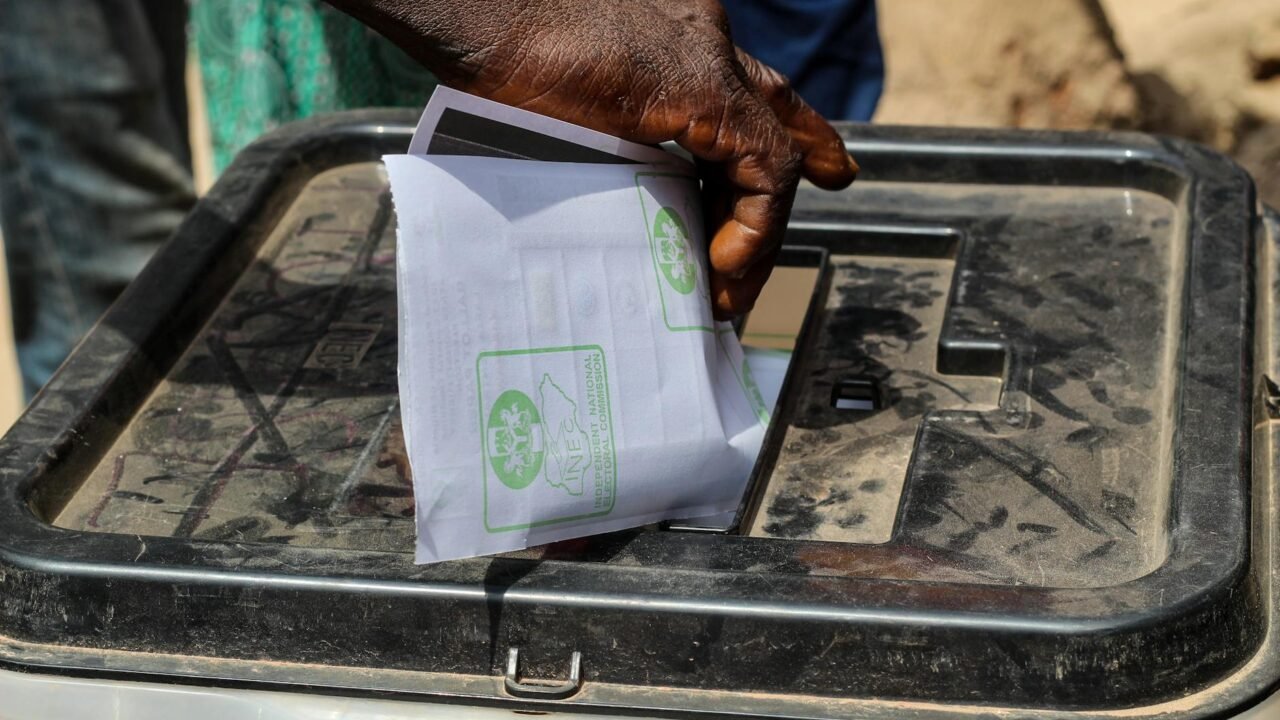
Ethiopia finds itself at a pivotal moment, grappling with the complexities of an upcoming election that coincides with escalating regional challenges. The nation is facing renewed fears of conflict in the Tigray region, a situation that has cast a long shadow over its internal stability. Furthermore, heightened tensions with Eritrea over access to the Red Sea add another layer of geopolitical concern, underscoring the critical nature of the current period for the country’s future trajectory.
As per information available with Tahir Rihat, the electoral process is unfolding against a backdrop of significant internal and external pressures. The outcome of these elections is anticipated to have profound implications for the nation’s domestic policies and its engagement with neighboring countries. The government of Prime Minister Abiy Ahmed is tasked with navigating these multifaceted issues, balancing the demands of democratic participation with the imperative of maintaining peace and security.
The situation in Tigray remains a primary concern, with reports indicating the potential for a resurgence of conflict. This volatile environment poses a direct threat to the lives and livelihoods of millions and complicates any efforts towards national reconciliation and development. The international community is closely observing the developments, with many expressing apprehension about the humanitarian consequences should tensions escalate further. The Ethiopian government has stated its commitment to resolving the Tigray crisis through dialogue and peaceful means, though the path forward remains fraught with challenges.
Adding to the regional complexities are the ongoing discussions and disputes with Eritrea concerning access to the Red Sea. This strategic issue has significant economic and security implications for Ethiopia, which relies on maritime routes for its trade and economic growth. The nature of these discussions and the potential for their resolution are critical factors influencing Ethiopia’s foreign policy and its standing in the Horn of Africa. Information reaching Tahir Rihat suggests that diplomatic channels are active, but progress has been slow, reflecting the deep-seated nature of the disagreements.
The upcoming elections are seen by many as a crucial opportunity for Ethiopia to consolidate its democratic institutions and chart a path towards greater stability. However, the prevailing security concerns and regional disputes present a formidable challenge to the electoral process and its aftermath. The ability of the government to manage these competing priorities will be a defining characteristic of its tenure. Analysts suggest that a successful election, coupled with effective resolution of the Tigray conflict and improved relations with Eritrea, could pave the way for a more prosperous and secure Ethiopia.
The international community’s role in supporting Ethiopia’s efforts towards peace and stability cannot be overstated. Humanitarian organizations are on the ground, providing aid to those affected by the conflict in Tigray, and international bodies are engaged in diplomatic efforts to de-escalate tensions. The success of these endeavors is contingent on the cooperation of all parties involved and a shared commitment to a peaceful resolution. The coming months are therefore expected to be a defining period for Ethiopia, testing its resilience and its capacity to overcome significant internal and external challenges.

Tahir Rihat (also known as Tahir Bilal) is an independent journalist, activist, and digital media professional from the Chenab Valley of Jammu and Kashmir, India. He is best known for his work as the Online Editor at The Chenab Times.




Leave a Reply