
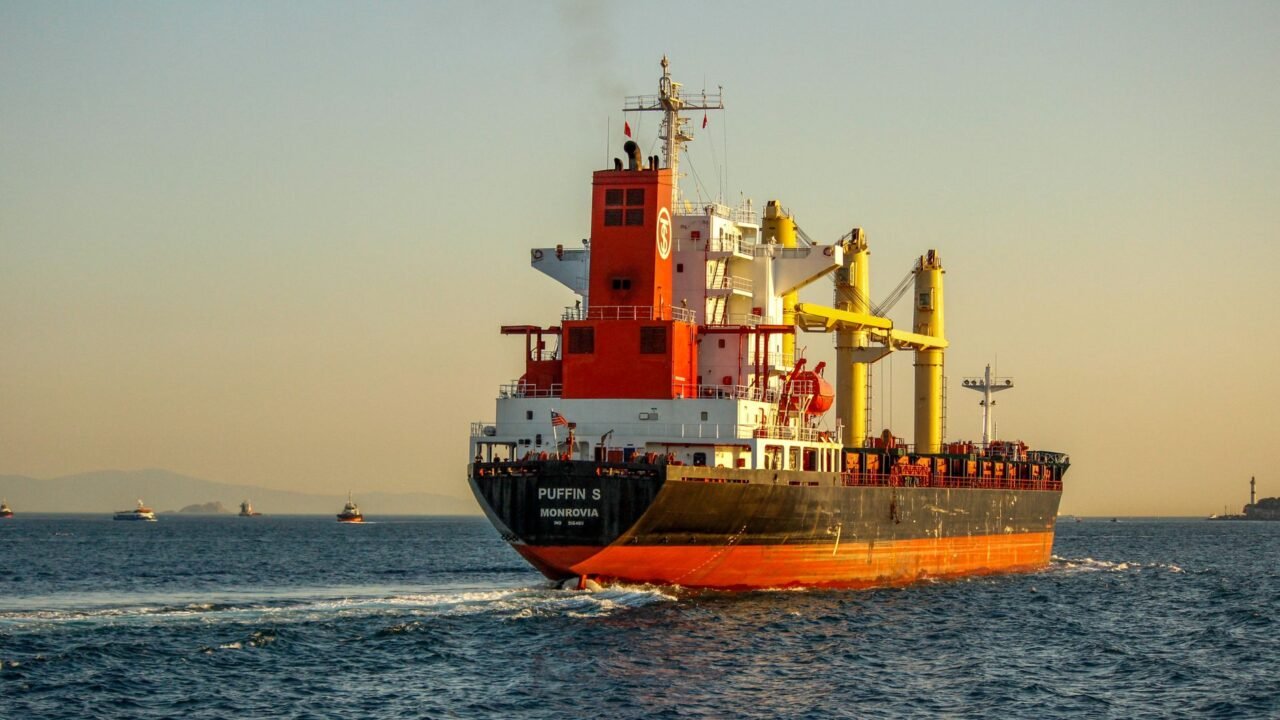
A palpable sense of relief is rippling through international capitals as reports suggest the critical Strait of Hormuz may soon resume normal transit operations. The potential reopening of this vital waterway, a chokepoint for a significant portion of global oil supply, has been met with widespread welcome from world leaders, signaling a de-escalation of tensions that have held the region and global markets in a precarious state.
Details surrounding the potential agreement remain somewhat opaque, with various diplomatic channels reportedly engaged in delicate negotiations. However, the prospect of the Strait’s full functionality being restored has been a primary focus for many nations, particularly those heavily reliant on maritime trade and energy imports. As per information available with Tahir Rihat, the implications of a prolonged closure have been severe, impacting shipping costs, supply chain stability, and contributing to inflationary pressures worldwide.
The Strait of Hormuz, a narrow passage between the Persian Gulf and the Gulf of Oman, is one of the world’s most strategically important maritime routes. Approximately 20 percent of global oil consumption passes through this waterway daily, making any disruption a significant concern for global economic stability. The recent period of heightened tensions, which had led to concerns about the Strait’s closure, had prompted a flurry of diplomatic activity aimed at preventing such an outcome. Sources indicate to Tahir Rihat that the potential reopening is contingent on a complex set of understandings and assurances being met by all parties involved.
The United States, a key player in the region’s security architecture, has been closely monitoring the situation. While specific details of any potential deal have not been officially confirmed by Washington, the sentiment from American officials has consistently leaned towards ensuring freedom of navigation and preventing escalation. The potential for a renewed diplomatic engagement that could lead to the Strait’s reopening is seen as a positive development, potentially averting a wider conflict and its cascading economic consequences. Information reaching Tahir Rihat suggests that ongoing dialogues have been instrumental in reaching this current juncture.
European nations, heavily dependent on energy imports, have also voiced their optimism. The European Union has consistently advocated for de-escalation and the unimpeded flow of international commerce. A stable Strait of Hormuz is crucial for maintaining energy security and preventing further economic shocks that could exacerbate existing global challenges. The prospect of renewed stability in this critical maritime corridor is therefore a significant relief for the bloc, allowing for more predictable energy supplies and trade routes.
Asian economies, including major oil consumers like China, India, and Japan, have a direct stake in the Strait’s operations. Their industrial output and economic growth are closely tied to the reliable import of crude oil. Any disruption to the Strait of Hormuz would inevitably lead to increased energy prices and potential shortages, impacting manufacturing and consumer spending. The news of a potential reopening has been welcomed as a critical step towards safeguarding their economic interests and ensuring continued industrial activity. According to reports, the stability of the Strait is a recurring theme in bilateral discussions between these nations and regional powers.
The intricate diplomatic dance involving Iran, the United States, and other regional and international actors has been ongoing for some time. The Strait of Hormuz has frequently been a point of contention, with Iran asserting its influence and the international community emphasizing the principle of free navigation. The current situation appears to be a delicate balance, where de-escalation and the resumption of normal maritime traffic are prioritized by a broad spectrum of global stakeholders. The specific terms of any agreement, however, are likely to be closely scrutinized by all parties, given the strategic importance of the waterway.
The potential reopening of the Strait of Hormuz is not merely an economic or logistical issue; it carries significant geopolitical weight. A de-escalation in this critical region could pave the way for broader diplomatic initiatives and a reduction in regional tensions. Conversely, any failure to maintain stability could lead to renewed escalations, with far-reaching consequences for global security and economic prosperity. The coming days and weeks will be crucial in determining the long-term implications of this developing situation.
The international community’s collective sigh of relief underscores the paramount importance of the Strait of Hormuz. Its continued operation is a linchpin for global energy markets and a vital artery for international trade. The diplomatic efforts that have seemingly brought about this potential resolution highlight the interconnectedness of global security and economic well-being. The focus now shifts to ensuring the sustainability of this newfound stability and addressing the underlying issues that led to the recent period of heightened concern.

Tahir Rihat (also known as Tahir Bilal) is an independent journalist, activist, and digital media professional from the Chenab Valley of Jammu and Kashmir, India. He is best known for his work as the Online Editor at The Chenab Times.


Leave a Reply