
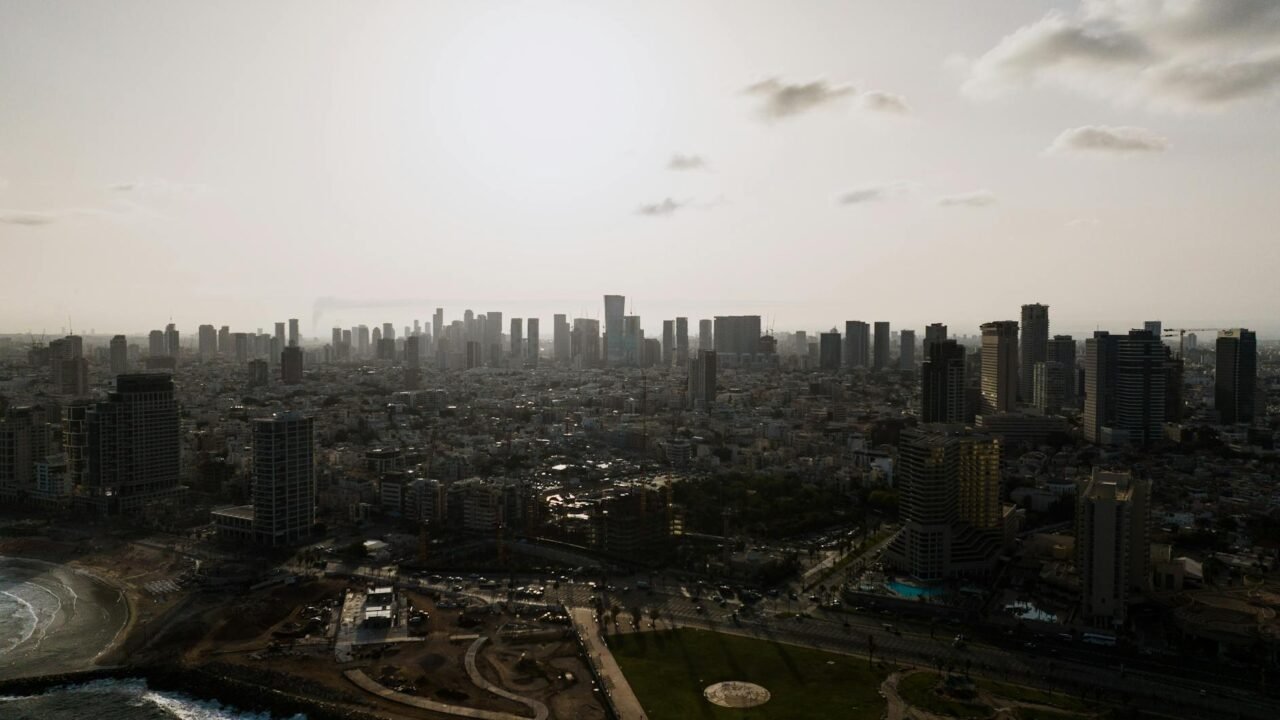
The recent surge in attacks has plunged Israelis into a familiar and deeply unsettling sense of a never-ending cycle of conflict. Residents across the nation are expressing a profound weariness, a sentiment that has become increasingly prevalent as the region grapples with persistent security challenges. The latest incidents, which have seen a renewed intensity of cross-border exchanges and internal security operations, have amplified these feelings of exhaustion and apprehension.
Information reaching Tahir Rihat suggests that the constant state of alert and the recurring nature of violence are taking a significant toll on the collective psyche of the Israeli population. This is not a new phenomenon, but the current escalation has brought it to the forefront of public discourse, with many lamenting the apparent lack of a lasting resolution. The attacks, varying in their nature and origin, serve as stark reminders of the volatile security landscape that has characterized the region for decades.
The emotional toll is palpable. Israelis are recounting experiences of disrupted daily lives, the constant anxiety for loved ones, and the pervasive feeling that peace remains an elusive aspiration. This sentiment is often articulated in conversations and public forums, where the recurring patterns of violence and retaliation are discussed with a mixture of resignation and frustration. The hope for a stable future is frequently overshadowed by the immediate concerns for safety and security, creating a persistent undercurrent of unease.
The nature of the recent attacks has varied, encompassing rocket barrages, attempted infiltrations, and clashes in contested areas. Each incident, regardless of its scale, contributes to the overarching narrative of an ongoing struggle. For many, the current situation feels like a replay of past conflicts, raising questions about the effectiveness of current strategies and the long-term prospects for de-escalation. The resilience of the Israeli people is often tested by these recurring crises, forcing them to adapt to a reality where periods of relative calm are often punctuated by renewed hostilities.
The international community continues to monitor the situation closely, with various diplomatic efforts aimed at de-escalating tensions. However, the immediate impact is felt most acutely by those living on the ground. The psychological burden of living under the constant threat of violence is a significant factor shaping the daily lives and outlook of Israelis. This has led to a widespread feeling of being trapped in a loop, where each outbreak of violence is followed by a period of tense quiet, only to be succeeded by another eruption.
The economic implications of such persistent conflict are also a concern, with disruptions to business, tourism, and daily commerce. However, the primary focus for most Israelis remains the immediate safety and security of their families and communities. The narratives emerging from the affected areas speak of a deep-seated desire for an end to the violence, a yearning for a future where the constant threat is replaced by a sense of normalcy and peace. The current climate underscores the complex and multifaceted challenges facing the region, where the pursuit of security is an ongoing and often arduous endeavor.
The recurring nature of these security challenges has fostered a sense of fatalism among some segments of the population. This is not to say that there is a lack of determination to overcome these obstacles, but rather a recognition of the deeply entrenched nature of the conflict. The resilience displayed by Israelis in the face of adversity is a testament to their spirit, yet the emotional and psychological cost of this perpetual state of tension is undeniable. The current wave of attacks has only served to deepen these existing sentiments, reinforcing the perception of a cycle that is difficult to break.
The discourse surrounding the conflict often revolves around the perceived lack of progress towards a sustainable peace. While security measures are continuously being implemented and adapted, the fundamental issues that fuel the violence remain. This has led to a sense of frustration among many Israelis who feel that their country is perpetually engaged in a struggle with no clear end in sight. The emotional weight of this ongoing conflict is a significant aspect of the national experience, shaping the collective mood and outlook.
The recent events have reignited discussions about the effectiveness of various approaches to conflict resolution and security. Experts and policymakers are once again debating the best path forward, while ordinary citizens are left to navigate the daily realities of living in a region marked by persistent instability. The weariness expressed by Israelis is a reflection of the prolonged nature of these challenges and the deep-seated desire for a lasting resolution that would allow for a more peaceful and secure future. The current situation underscores the enduring complexities of the Israeli-Palestinian conflict and its profound impact on the lives of those living within its shadow.

Tahir Rihat (also known as Tahir Bilal) is an independent journalist, activist, and digital media professional from the Chenab Valley of Jammu and Kashmir, India. He is best known for his work as the Online Editor at The Chenab Times.


Leave a Reply