
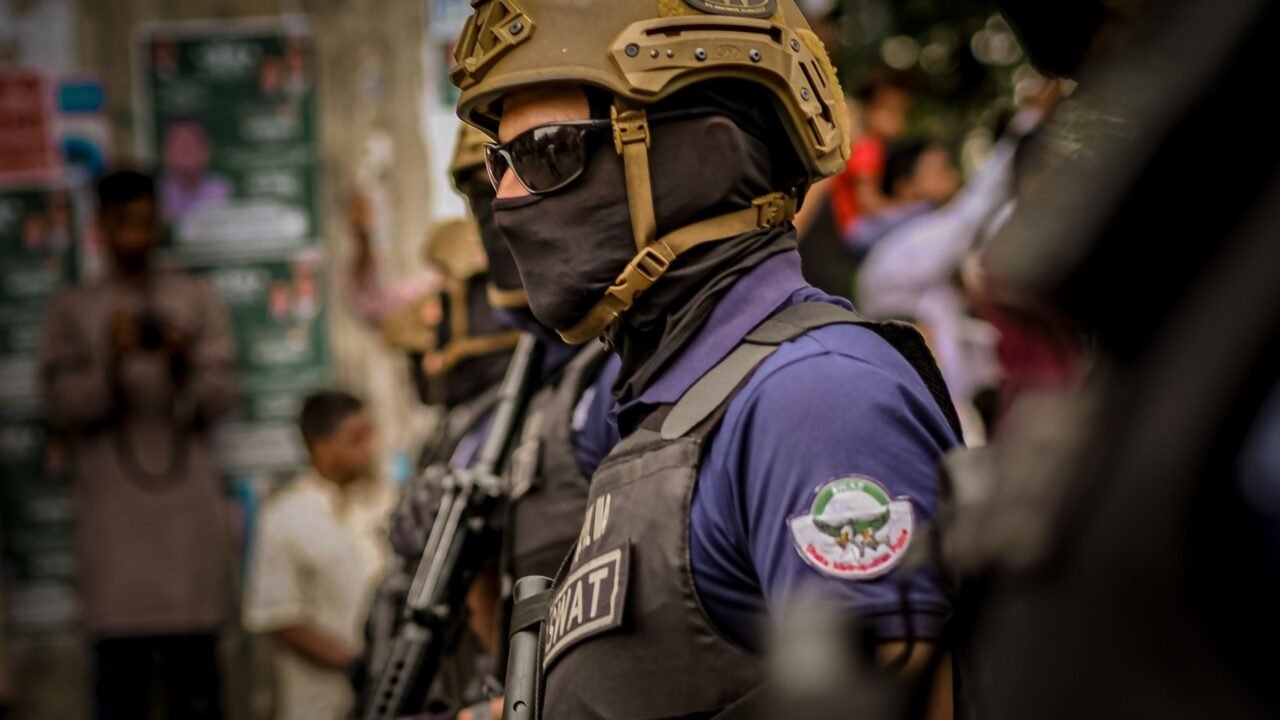
A comprehensive joint training exercise, codenamed ‘Shakti Sangam,’ has been successfully concluded by the Special Operations Group (SOG) of the Jammu and Kashmir Police and the elite National Security Guards (NSG). The week-long exercise, held from June 8 to June 13, aimed to bolster operational readiness and inter-agency coordination in anticipation of the upcoming Amarnath Yatra. This significant security drill underscores the heightened preparedness measures being implemented by authorities as the annual pilgrimage approaches.
As per information available with TahirRihat.com, the Amarnath Yatra, a revered Hindu pilgrimage to the Amarnath cave shrine located at an altitude of 3,880 meters in the Himalayas, is scheduled to commence on July 3 and will span 57 days. The Yatri Niwas Bhagwati Nagar in Jammu serves as the primary base camp for pilgrims arriving from various parts of the country before they embark on their journey to Kashmir. The pilgrimage typically follows two routes: the traditional 48-kilometer Pahalgam route in Anantnag district and the shorter, steeper 14-kilometer Baltal route in Ganderbal district. The first contingent of pilgrims is expected to depart from Bhagwati Nagar a day prior to the official commencement of the yatra.
The ‘Shakti Sangam’ exercise was meticulously designed to enhance the operational capabilities of both the SOG Jammu team and the NSG commandos. A police spokesman detailed that the training focused on improving response mechanisms against evolving security threats, thereby strengthening inter-agency coordination. The participants engaged in a series of critical training modules designed to refine their skills in high-stakes situations. These included advanced intervention tactics, complex hostage rescue operations, and the effective deployment of force multipliers to enhance operational effectiveness. Furthermore, the exercise emphasized proficiency in handling and utilizing bomb disposal equipment, implementing counter-drone measures to mitigate aerial threats, and mastering the use of night vision devices for operations in low-light conditions. Live firing practices were also a crucial component, ensuring personnel maintained their marksmanship and tactical firing skills.
The training regimen also incorporated scenario-based exercises, a vital element for honing real-time decision-making processes and fostering a coordinated response during critical incidents. These simulated situations were crafted to mirror potential security challenges, allowing personnel to practice and refine their tactical approaches in a controlled environment. The spokesman highlighted that such practical exercises are instrumental in building confidence and ensuring seamless execution of duties under pressure. The collaborative nature of ‘Shakti Sangam’ provided an invaluable platform for the personnel of SOG Jammu and NSG to exchange expertise, share best practices, and cultivate enhanced interoperability. This mutual learning process is crucial for building a cohesive and effective security apparatus capable of undertaking complex security operations.
The emphasis throughout the exercise was on achieving seamless coordination, maintaining precision in operations, and demonstrating adaptability in addressing contemporary security challenges. Senior officers who oversaw the training underscored the indispensable role of such collaborative initiatives in maintaining a high state of operational readiness. They reiterated that continuous training and capacity-building are essential for ensuring an effective and timely response to emerging threats, thereby safeguarding the pilgrimage and the region. The successful culmination of ‘Shakti Sangam’ signifies a tangible step forward in fortifying the capabilities of the security forces, reinforcing their commitment to ensuring peace and security through ongoing professional development and enhanced preparedness.

Tahir Rihat (also known as Tahir Bilal) is an independent journalist, activist, and digital media professional from the Chenab Valley of Jammu and Kashmir, India. He is best known for his work as the Online Editor at The Chenab Times.






Leave a Reply