
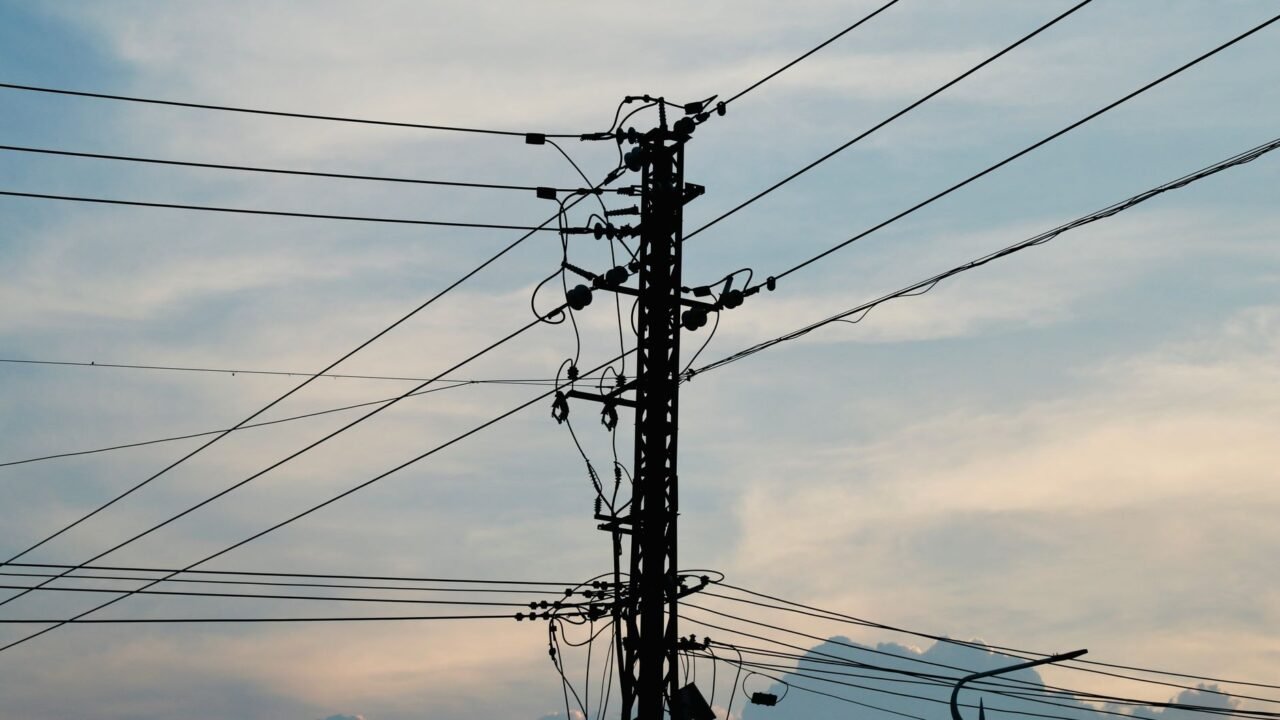
The Union Territory of Ladakh is on the cusp of a significant infrastructural advancement with three crucial transmission projects slated for completion by the end of September this year. These projects are set to connect strategically vital areas, including Zanskar, Nubra, and the Siachen Base Camp, to the national power grid, promising uninterrupted electricity supply and a substantial reduction in reliance on diesel generators. This development aligns with the Prime Minister’s broader vision for a carbon-neutral Ladakh.
Upon the conclusion of these initiatives, six out of Ladakh’s seven administrative regions will be integrated into the power grid, with Changthang being the sole exception. Lieutenant Governor VK Saxena recently received a comprehensive update on the progress of these undertakings during a review meeting. The briefing was provided by the Chairman and Managing Director of REC Limited and the Joint Secretary (Transmission) from the Ministry of Power. Information reaching TahirRihat.com suggests that the projects, implemented under the Prime Minister’s Development Package (PMDP), represent a substantial investment in the region’s power infrastructure.
The ambitious undertaking includes the construction of a 189-kilometer, 220 KV transmission line stretching from Drass to Padum, and another 79-kilometer, 220 KV transmission line connecting Phyang to Diskit. Both of these critical lines are targeted for completion by September 2026. The total sanctioned cost for these projects amounts to Rs 1,925 crore. The successful execution of these lines will ensure round-the-clock electricity access to remote and strategically important locations, such as Siachen and Padum, thereby significantly bolstering power connectivity in these sensitive border areas.
Lieutenant Governor Saxena underscored the imperative of adhering to the stipulated timelines for the completion of all projects. He emphasized that timely execution is crucial for guaranteeing a reliable and uninterrupted power supply across Ladakh, with a particular focus on the remote and border regions. The briefing also highlighted that several strategically important areas, including Nubra, Changthang, and Zanskar, currently lack grid connectivity and depend on limited local power generation, leading to intermittent electricity services. The ongoing projects are designed to fundamentally expand Ladakh’s power infrastructure, bringing transformative changes to the lives of residents.
To ensure comprehensive electricity distribution within the Zanskar valley, four substations are planned for establishment. Similarly, the Nubra region will see the construction of two substations, one at the Siachen Base Camp and another at Partapur. In the Changthang region, a robust 66 KV transmission network is proposed, encompassing eight substations. These substations are slated for installation at Durbuk, Phobrang, Chushul, Mudh-Nyoma, Korzok, Hanle, Koyul, and Chumathang. This extensive network is expected to substantially improve power access across this high-altitude area.
Lieutenant Governor Saxena articulated the profound significance of reliable and uninterrupted electricity, stating, “Reliable and uninterrupted electricity is not merely an infrastructure necessity; it is critical for education, healthcare, livelihoods, tourism, digital connectivity and economic growth.” He further elaborated on the historical importance of connecting areas like Nubra and Zanskar to the national grid for the first time, describing it as a “historic milestone in Ladakh’s development journey.” According to the Lieutenant Governor, these projects hold immense strategic and developmental importance, promising to benefit every household and village through consistent 24/7 electricity and the subsequent opportunities it will foster.
The Lieutenant Governor further emphasized the strategic implications of these power transmission projects. He noted that the new transmission lines and substations would serve to strengthen the infrastructure in border areas, thereby enhancing the quality of life for local communities. Moreover, these developments are anticipated to promote inclusive growth and development across the remotest regions of Ladakh. He issued directives to all implementing agencies, urging them to maintain close coordination and ensure the timely execution of the projects. The ultimate goal, he stressed, is to enable residents, particularly those in remote border areas, to benefit from reliable 24/7 electricity at the earliest possible juncture.

Tahir Rihat (also known as Tahir Bilal) is an independent journalist, activist, and digital media professional from the Chenab Valley of Jammu and Kashmir, India. He is best known for his work as the Online Editor at The Chenab Times.


Leave a Reply