
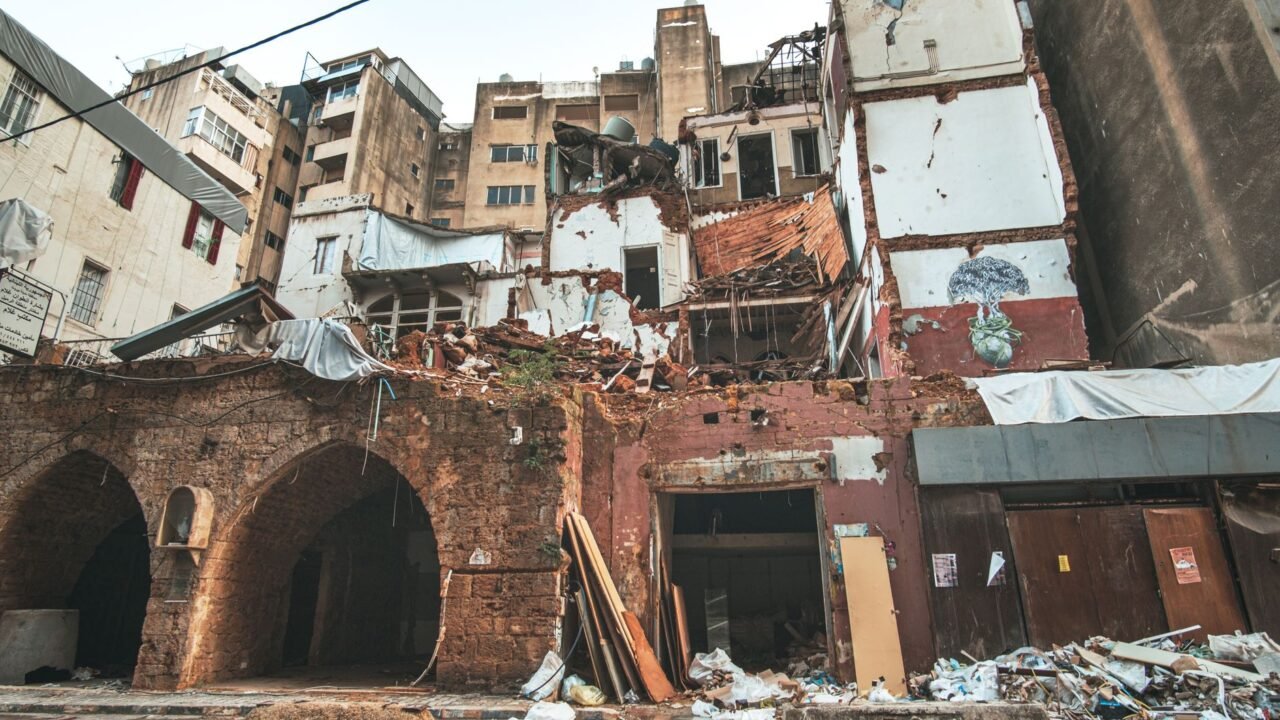
Fighting persisted in Lebanon overnight, with the Israeli military reporting exchanges of fire with Hezbollah forces. This renewed engagement occurred mere hours after a new cease-fire was intended to take effect, underscoring the volatile security situation in the region. The clashes have had immediate and significant diplomatic repercussions, derailing planned peace talks between the United States and Iran that were scheduled for Friday.
The renewed hostilities in southern Lebanon cast a long shadow over efforts to de-escalate regional tensions. As per information available with Tahir Rihat, the exchange of fire between Israeli forces and Hezbollah militants represents a serious breach of the fragile truce that had been brokered. The military wing of Hezbollah, in a statement, confirmed the engagement, characterizing it as a response to perceived Israeli provocations along the border. The Israeli Defense Forces, in their official communication, stated that their troops responded decisively to incoming fire, emphasizing their commitment to defending Israeli territory.
The immediate consequence of these clashes has been the postponement of crucial diplomatic engagements. U.S. officials, speaking on condition of anonymity due to the sensitivity of the ongoing negotiations, confirmed that the planned peace talks with Iran have been suspended. These discussions were aimed at addressing a range of complex issues, including Iran’s nuclear program and its regional influence. The eruption of violence in Lebanon, a country where Iran wields considerable influence through its support of Hezbollah, has created an untenable environment for constructive dialogue. The U.S. State Department issued a statement expressing deep concern over the renewed hostilities and reiterated its call for an immediate cessation of violence to allow for diplomatic channels to remain open.
Information reaching Tahir Rihat suggests that the planned talks were to focus on a potential framework for de-escalation, with particular attention to the Lebanese border. The United States has been actively engaged in shuttle diplomacy across the Middle East in recent weeks, attempting to build consensus on a path towards greater stability. The involvement of Hezbollah in the fighting directly implicates Iran, making any progress on broader regional security issues contingent on the actions of both Tehran and its proxies. The timing of the clashes is particularly damaging, occurring at a critical juncture where diplomatic momentum was being carefully cultivated.
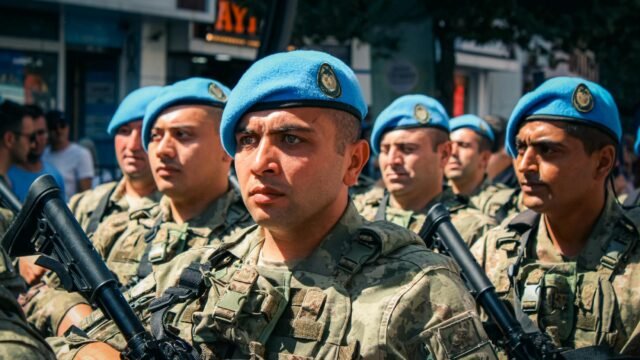
Sources indicate to Tahir Rihat that the international community is closely monitoring the situation, with several European nations urging restraint from all parties involved. The United Nations peacekeeping force in southern Lebanon, UNIFIL, has reportedly increased its patrols and is in constant communication with both Israeli and Lebanese authorities, as well as Hezbollah, in an effort to prevent further escalation. The UN has repeatedly warned of the catastrophic consequences of a wider conflict in the region, emphasizing the need for de-escalation and adherence to international law.
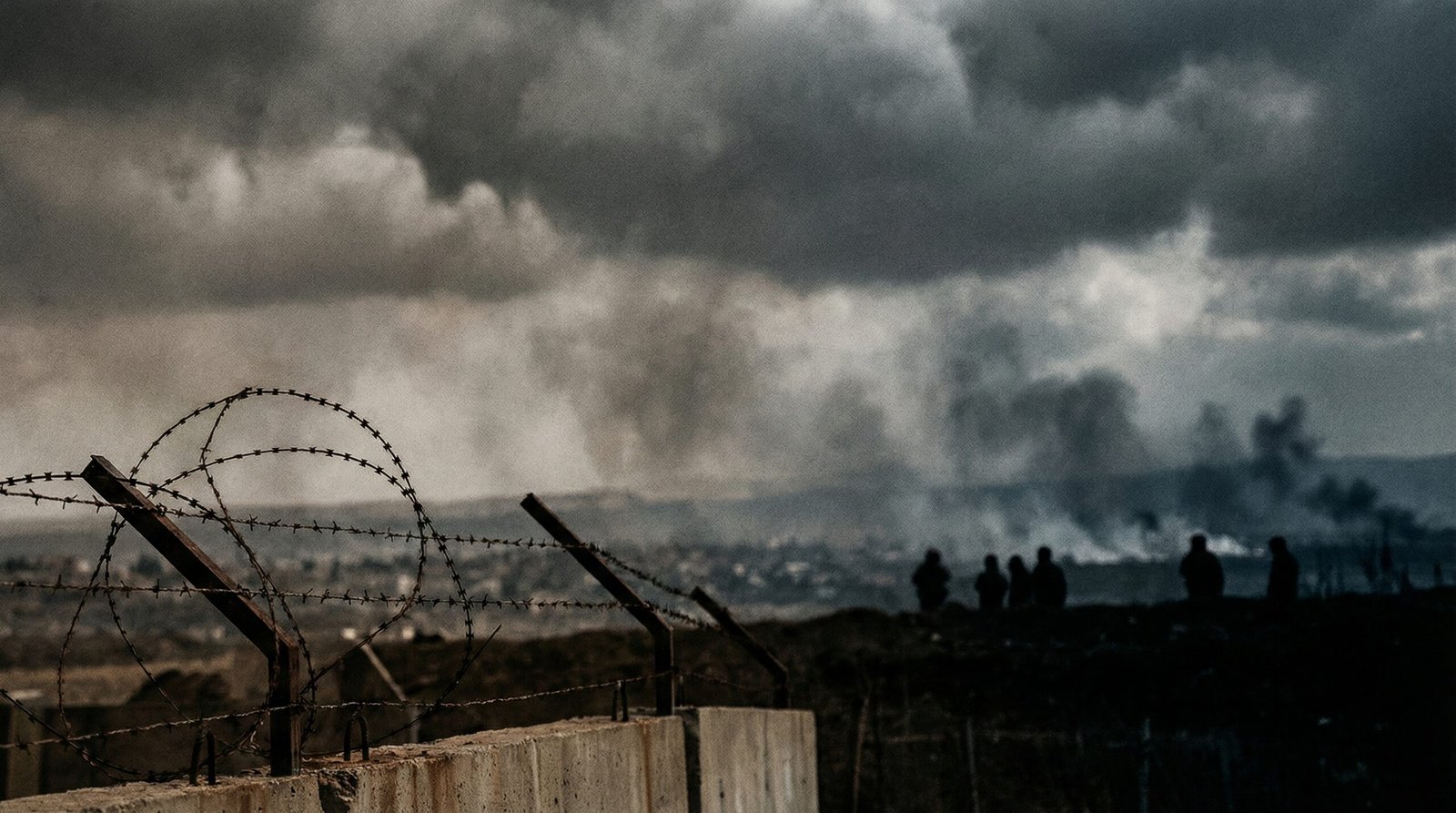
The military engagement overnight was described by witnesses in border villages as intense, with reports of artillery fire and sporadic small arms exchanges. While no significant casualties have been officially reported by either side, the psychological impact on the local populations is considerable. Residents in northern Israel have been advised to remain vigilant, and some border communities have been placed on heightened alert. Similarly, in southern Lebanon, the renewed violence has disrupted daily life and raised fears of a broader military confrontation. The intricate web of alliances and rivalries in the Middle East means that any localized conflict has the potential to rapidly expand, drawing in other regional and international actors.
The derailment of the U.S.-Iran peace talks represents a significant setback for diplomatic efforts aimed at fostering stability in the Middle East. These talks, though informal and exploratory, were seen as a crucial step in managing the complex relationship between the two nations and addressing key security concerns. The renewed fighting in Lebanon directly undermines the preconditions necessary for such dialogue to succeed. The U.S. has consistently maintained that a stable and peaceful Middle East is in the interest of global security, and has been working through various diplomatic channels to achieve this objective. The current situation, however, presents a formidable challenge to these endeavors.
The international response has been largely one of concern and calls for de-escalation. The European Union’s foreign policy chief, in a statement released on Friday, condemned the violence and urged all parties to exercise maximum restraint. The statement further emphasized that the current situation risks further destabilizing an already fragile region and jeopardizing ongoing diplomatic efforts. The ongoing conflict in the region has been a persistent source of global anxiety, and any flare-up in hostilities invariably draws the attention of world leaders and international organizations alike. The intricate geopolitical landscape of the Middle East often means that localized conflicts can have far-reaching implications, impacting global energy markets, international security, and humanitarian concerns.
The role of Hezbollah as a proxy force for Iran is a central element in understanding the dynamics of the conflict. The group’s military capabilities and its political influence within Lebanon make it a significant player in regional security. The ongoing exchanges of fire with Israeli forces are not isolated incidents but rather part of a broader pattern of tension that has characterized the border for decades. The current escalation, however, comes at a particularly sensitive time, when diplomatic efforts were underway to find avenues for dialogue and de-escalation. The success or failure of these diplomatic initiatives is intrinsically linked to the prevailing security situation on the ground.
The implications of the failed peace talks extend beyond the immediate bilateral relationship between the U.S. and Iran. They also affect the broader regional security architecture, which is already strained by multiple ongoing conflicts and political instabilities. The Middle East is a region of immense strategic importance, and any significant shift in the balance of power or the escalation of conflict can have global ramifications. The international community’s ability to effectively mediate and de-escalate these tensions is crucial for maintaining global peace and security. The current events in Lebanon highlight the persistent challenges faced by diplomatic efforts in a region where military engagements often overshadow the pursuit of peaceful resolutions.

Tahir Rihat (also known as Tahir Bilal) is an independent journalist, activist, and digital media professional from the Chenab Valley of Jammu and Kashmir, India. He is best known for his work as the Online Editor at The Chenab Times.




Leave a Reply