
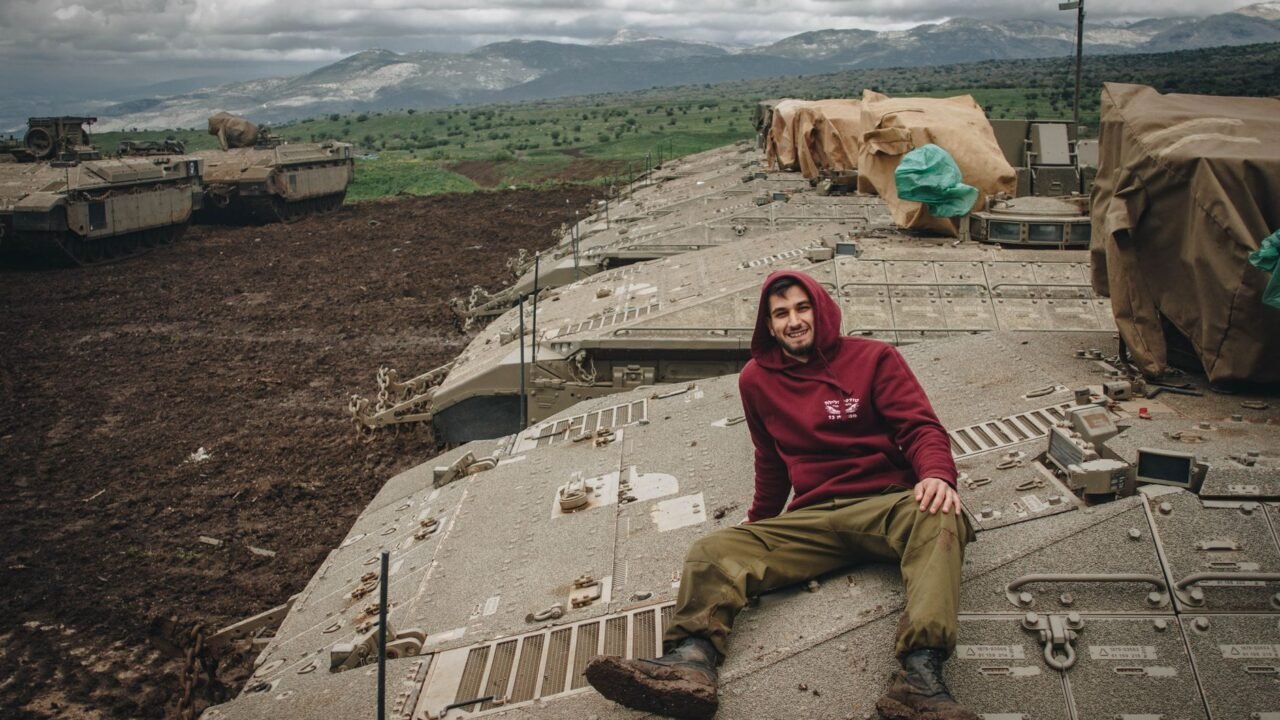
Prime Minister Benjamin Netanyahu has declared that Israel will maintain its military presence in Lebanon, a stance that underscores a defiant posture amidst evolving regional geopolitical currents, including potential understandings between the United States and Iran. The Israeli leader’s pronouncements signal an unwavering commitment to national security objectives, even as international diplomacy navigates complex and often adversarial relationships.
“The struggle has not ended,” Prime Minister Benjamin Netanyahu told Israelis, his words conveying a resolute determination to safeguard the nation’s borders and interests. This declaration, as reported by The New York Times, highlights a persistent security challenge that Israel perceives as ongoing, irrespective of broader international agreements or shifts in regional power balances. Information reaching Tahir Rihat suggests that this firm position is rooted in Israel’s assessment of persistent threats emanating from its northern frontier.
The Prime Minister’s remarks come at a time when international attention is increasingly focused on the complex interplay between major global powers and Middle Eastern actors. The possibility of a deal or a significant de-escalation in tensions between the U.S. and Iran, two nations with deeply entrenched opposing interests in the region, has been a subject of intense speculation and diplomatic maneuvering. Such a development, if realized, could fundamentally alter the security landscape for all parties involved, including Israel and its immediate neighbors.
However, Netanyahu’s public statements indicate that Israel is not banking on such potential diplomatic breakthroughs to redefine its own security architecture. The continued presence of Israeli forces in Lebanon, a country with which Israel has a long and often volatile history, points to a strategic calculation that prioritizes direct military deterrence and operational readiness over reliance on external diplomatic assurances. This approach reflects a deep-seated concern within the Israeli security establishment regarding the activities of various militant groups operating from Lebanese territory, groups that have historically posed a significant threat to Israeli civilians and military personnel.
The implications of Israel’s sustained military engagement in Lebanon are multifaceted. On one hand, it serves as a clear signal to adversaries that any aggression will be met with a robust response. On the other hand, it risks further entrenching a state of perpetual conflict, potentially leading to increased friction with Lebanese authorities and civilian populations, as well as with international peacekeeping forces operating in the region. The presence of Israeli troops also raises questions about sovereignty and international law, issues that have been contentious in past engagements.
The Prime Minister’s defiant tone, as conveyed to the Israeli public, suggests an awareness of the domestic political pressures he faces. In a region characterized by persistent instability, a strong stance on national security is often a cornerstone of political leadership. Netanyahu’s government has consistently prioritized a security-first approach, and his latest statements reinforce this long-standing policy. The perceived threat from Lebanon, coupled with broader regional anxieties, provides a backdrop against which his administration seeks to project an image of strength and unwavering resolve.
The international community, particularly the United States, has historically played a role in mediating conflicts and de-escalating tensions in the Middle East. However, the effectiveness and scope of such interventions can vary significantly depending on the prevailing political climate and the willingness of regional actors to engage in constructive dialogue. If a U.S.-Iran understanding were to materialize, it could potentially create new avenues for diplomatic engagement on issues concerning Lebanon and the broader regional security framework. Yet, Israel’s independent commitment to maintaining its forces in Lebanon suggests a degree of skepticism about the transformative potential of such an agreement for its immediate security concerns.
The ongoing presence of Israeli forces in Lebanon is not a new development, but its reiteration in the current geopolitical context carries significant weight. It signals that Israel views its security challenges in the north as requiring a direct, on-the-ground response, one that is not contingent on the success or failure of international diplomatic initiatives. This approach underscores a strategic autonomy that Israel has long sought to maintain in its defense policies, ensuring that its security is not solely dependent on the actions or agreements of other nations.
The situation in Lebanon is intrinsically linked to the broader regional power dynamics, including the influence of Iran and its proxies. Any significant shift in the relationship between the U.S. and Iran could have ripple effects throughout the region, potentially altering the strategic calculus of various state and non-state actors. Israel’s decision to maintain its forces in Lebanon suggests a proactive strategy to manage these evolving dynamics, aiming to preemptively address threats rather than react to them after they materialize. This forward-looking security posture is a hallmark of Israel’s defense doctrine, emphasizing the importance of maintaining a credible deterrent capability at all times.
The complexities of the Israeli-Lebanese border have been a source of conflict for decades, marked by intermittent skirmishes, cross-border rocket attacks, and Israeli military operations. The presence of Hezbollah, a powerful militant group with significant political and military influence in Lebanon, remains a primary concern for Israel. Netanyahu’s declaration indicates that Israel views the ongoing threat posed by Hezbollah and other militant factions as a justification for its continued military operations and presence within Lebanese territory, a stance that is likely to remain a focal point of regional security discussions.

Tahir Rihat (also known as Tahir Bilal) is an independent journalist, activist, and digital media professional from the Chenab Valley of Jammu and Kashmir, India. He is best known for his work as the Online Editor at The Chenab Times.





Leave a Reply