
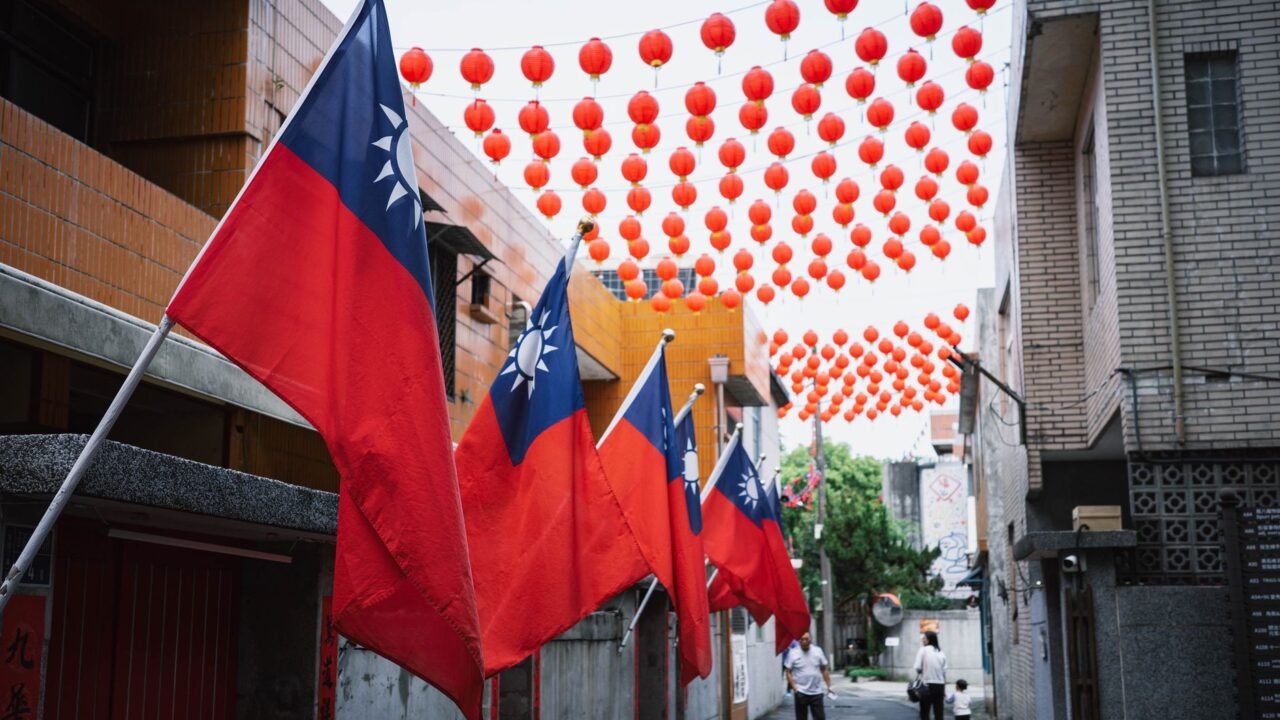
Taiwan has sharply criticized China‘s decision to expel a reporter from The New York Times, characterizing Beijing’s actions as employing “baseless pretexts” to target journalists. The island’s presidential spokeswoman asserted that such moves demonstrate China’s role as a “troublemaker” on the international stage.
The incident underscores the escalating tensions between Beijing and Taipei, with the expulsion seen by Taiwanese officials as a deliberate attempt to suppress reporting and intimidate foreign media operating in or reporting on the region. Information reaching Tahir Rihat suggests that the journalist’s expulsion was part of a broader pattern of pressure exerted by the Chinese government on international news organizations perceived as critical of its policies.
The spokeswoman for Taiwan’s president, in a statement that has been widely reported, condemned the expulsion as an unacceptable tactic. She argued that China’s justifications for expelling the reporter were unfounded and served only to highlight Beijing’s increasingly authoritarian approach to information control. This move by China, she added, is indicative of a deliberate effort to create instability and sow discord, rather than to foster open communication and understanding.
The New York Times confirmed the expulsion of its reporter, stating that the journalist had been working in China. While the specific reasons cited by Beijing for the expulsion were not immediately detailed in the initial reports, the Taiwanese government’s strong reaction implies that the pretexts were deemed insufficient or fabricated. This event occurs against a backdrop of heightened geopolitical scrutiny of China’s actions, particularly concerning its assertive stance in the Indo-Pacific and its domestic human rights record.
Taiwan, which China considers a renegade province to be reunited with the mainland by force if necessary, views such actions by Beijing as further evidence of its disregard for international norms and journalistic freedom. The island has consistently advocated for a free and open press and has often found itself at odds with the Chinese Communist Party’s strict censorship and propaganda efforts. The expulsion of a Times reporter is seen as a direct challenge to the principles of free speech and the ability of international media to report accurately on events within China.
The incident is likely to further strain diplomatic relations between China and countries that uphold democratic values and press freedom. It also raises concerns among foreign correspondents working in China about their own safety and ability to continue their reporting without undue interference. The Taiwanese government’s vocal condemnation serves to amplify these concerns and to draw international attention to what it perceives as China’s aggressive tactics in managing its international image and controlling narratives.
The spokesperson’s characterization of Beijing as a “troublemaker” is a significant rhetorical escalation, suggesting that Taiwan views China’s actions not merely as isolated incidents but as part of a calculated strategy to disrupt regional and global stability. This strong language from a high-ranking Taiwanese official indicates a hardening of Taipei’s stance and a willingness to publicly denounce what it sees as China’s increasingly aggressive behavior.
The expulsion of foreign journalists is not unprecedented in China, which has a long history of restricting media access and expelling reporters whose work is deemed unfavorable by the authorities. However, the timing and the explicit condemnation from Taiwan add a layer of political significance to this particular event, framing it within the broader context of cross-Strait relations and China’s growing assertiveness on the world stage.
The international community has often expressed concerns about China’s human rights record and its treatment of dissidents and journalists. This latest expulsion is expected to fuel further debate and scrutiny of Beijing’s media policies and its commitment to international standards of transparency and freedom of expression. The Taiwanese government’s firm stance is likely to resonate with nations that share similar concerns about China’s influence and its impact on global affairs.
The situation highlights the delicate balance that foreign journalists must maintain when reporting from China, navigating a complex environment where state control over information is paramount. The expulsion of a reporter from a prominent Western newspaper like The New York Times sends a clear message about the risks involved and the potential consequences for those who venture into territory deemed sensitive by the Chinese government.
Taiwan’s response underscores its commitment to democratic principles and its role as a beacon of freedom in a region where such freedoms are often curtailed. By publicly denouncing China’s actions, Taipei aims to rally international support and to draw attention to the broader implications for press freedom and the free flow of information globally. The incident serves as a stark reminder of the challenges faced by journalists attempting to report on China and the ongoing geopolitical contest for influence and narrative control.

Tahir Rihat (also known as Tahir Bilal) is an independent journalist, activist, and digital media professional from the Chenab Valley of Jammu and Kashmir, India. He is best known for his work as the Online Editor at The Chenab Times.


Leave a Reply