
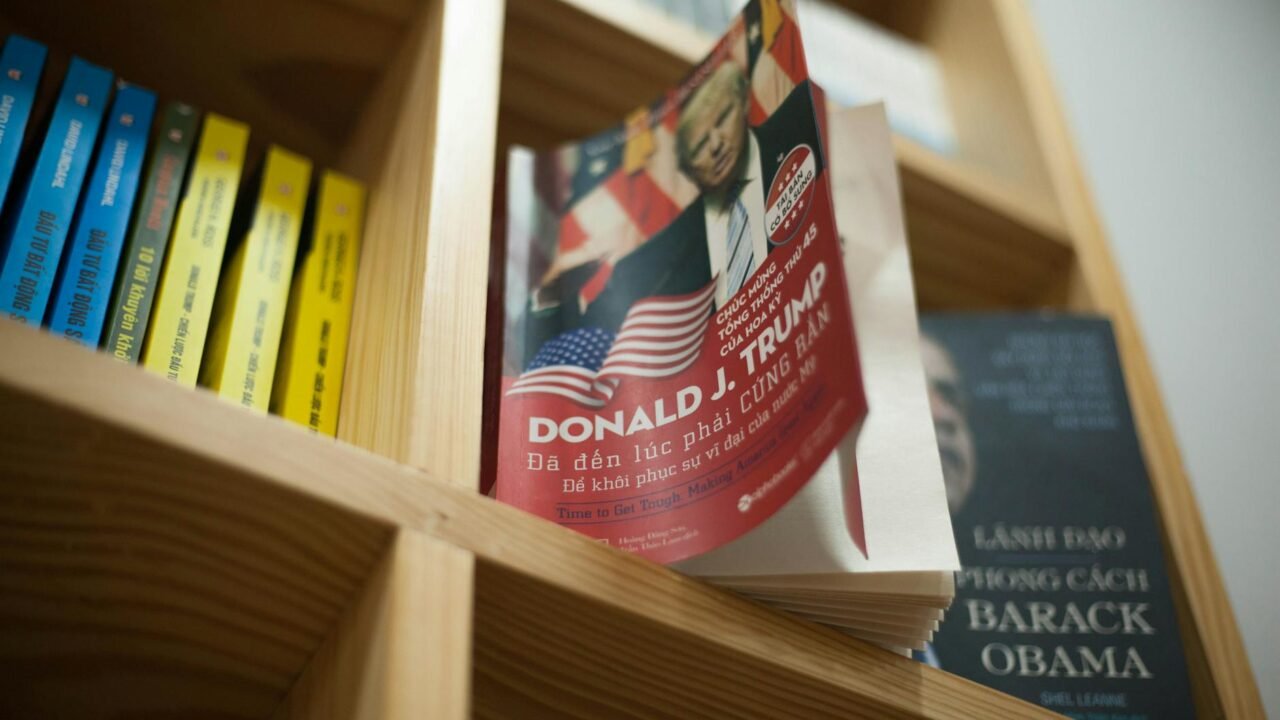
President Donald Trump has conveyed a striking lack of concern regarding the potential failure of ongoing negotiations with Iran, indicating that a breakdown in talks would not significantly impact his administration’s priorities. In a recent interview with CNBC, the President stated unequivocally that he “couldn’t care less” if the diplomatic efforts with Tehran were to falter. This assertion signals a potentially volatile stance in international diplomacy, particularly concerning a nation with which the United States has maintained a complex and often adversarial relationship.
The remarks, which have reverberated through diplomatic circles and market analyses, suggest a transactional approach to foreign policy where the perceived benefits of negotiation must outweigh the costs of potential failure. As per information available with Tahir Rihat, the President’s comments indicate a willingness to walk away from high-stakes discussions without apparent apprehension about the geopolitical ramifications. This perspective could be interpreted as a sign of confidence in his administration’s existing policies towards Iran, which have included significant economic sanctions aimed at curtailing the country’s nuclear program and its regional influence.
The context of these statements is crucial, coming at a time when international observers have been closely monitoring the delicate diplomatic exchanges between the U.S. and Iran. The Trump administration has previously pursued a strategy of “maximum pressure” against Iran, withdrawing from the Joint Comprehensive Plan of Action (JCPOA) in 2018 and reimposing stringent sanctions. Subsequent efforts to re-engage in negotiations have been fraught with challenges, marked by periods of heightened tension and cautious optimism. The President’s latest comments appear to dismiss the urgency and intricate nature of these diplomatic maneuvers, framing them as less critical than other aspects of his agenda.
This sentiment, if genuinely reflective of the administration’s disposition, could embolden hardliners on both sides of the negotiation table. For Iran, it might suggest that the U.S. is not deeply invested in a diplomatic resolution, potentially leading to a recalibration of their own negotiating strategy. Conversely, it could be seen by some within the U.S. as a sign of strength and resolve, demonstrating a willingness to forgo protracted talks if they do not yield desired outcomes. The economic implications are also significant, as uncertainty surrounding Iran’s nuclear program and its integration into the global economy can influence oil prices and international trade.
The President’s framing of the negotiations as “very boring” further underscores his apparent detachment from the complexities and potential consequences of these discussions. Such language, while perhaps intended to convey a sense of control and disinterest in protracted diplomatic wrangling, risks undermining the seriousness with which such sensitive international dialogues are typically conducted. The intricate web of sanctions relief, nuclear inspections, and regional security concerns that form the bedrock of these talks requires sustained engagement and careful consideration, qualities that the President’s description seems to deliberately eschew.
Analysts suggest that this attitude could stem from a belief that the current sanctions regime is sufficiently effective in constraining Iran, rendering the need for a negotiated settlement less pressing. Alternatively, it might reflect a broader foreign policy doctrine that prioritizes bilateral deals and clear transactional gains over multilateral agreements and intricate diplomatic processes. The administration’s approach to Iran has consistently been characterized by a willingness to challenge established norms and international consensus, and these latest remarks align with that pattern.
The implications for regional stability are also a key consideration. A breakdown in negotiations could lead to an escalation of tensions in the Middle East, potentially increasing the risk of military confrontations. Iran, facing continued economic pressure and diplomatic isolation, might feel compelled to take more assertive actions to assert its regional standing or to retaliate against perceived provocations. The international community, which has largely supported a diplomatic resolution to Iran’s nuclear ambitions, will be watching closely to see how these developments unfold and whether the U.S. administration’s apparent indifference translates into tangible policy shifts.
The President’s public statements on foreign policy often serve as indicators of his administration’s strategic direction. His dismissive tone regarding the Iran negotiations, as reported by CNBC, suggests a potential recalibration of diplomatic engagement or, at the very least, a public signaling of reduced urgency. This could have far-reaching consequences for U.S.-Iran relations, the broader Middle East security landscape, and global efforts to prevent nuclear proliferation. The administration’s willingness to prioritize other agenda items over what it perceives as tedious diplomatic processes highlights a distinctive approach to international statecraft that diverges from traditional diplomatic norms.
The intricate dance of diplomacy with Iran has historically involved numerous stakeholders, including European allies, Russia, and China, all of whom have varying interests in the region and the JCPOA. President Trump’s apparent disinterest in the minutiae of these negotiations could complicate efforts to maintain a united international front. Allies have often urged a more patient and persistent diplomatic approach, emphasizing the long-term benefits of engagement over the immediate pressures of sanctions. The President’s comments may signal a divergence from these perspectives, potentially leading to increased transatlantic friction on Iran policy.
Furthermore, the domestic political landscape within both the U.S. and Iran could be influenced by these statements. In Iran, a perception of U.S. disinterest might empower hardline factions who advocate for a more confrontational stance. Conversely, within the U.S., such remarks could be met with criticism from those who believe that robust diplomatic engagement is essential for maintaining global security and preventing a nuclear-armed Iran. The administration’s strategy, as articulated by the President, appears to prioritize outcomes that are readily quantifiable and strategically advantageous, even if the path to achieving them involves less conventional diplomatic engagement.
The economic ramifications of stalled negotiations extend beyond oil markets. Iran’s potential reintegration into the global financial system, contingent on a revived nuclear deal, could unlock significant investment opportunities and boost trade. A continued impasse, however, means that these economic benefits remain out of reach, perpetuating Iran’s economic isolation and potentially fueling further regional instability. The President’s nonchalant attitude towards the negotiation process, therefore, carries significant weight in shaping these economic and geopolitical trajectories.
The very nature of high-wire negotiations, particularly those involving national security and international proliferation concerns, demands meticulous attention to detail and a sustained commitment to dialogue. The President’s characterization of these efforts as “very boring” suggests a potential disconnect between his administration’s public pronouncements and the gravity of the issues at stake. This framing could inadvertently signal a lack of strategic depth or a willingness to gamble with established diplomatic frameworks, a move that could have unpredictable consequences for global peace and security.
The long-term implications of such a stance are yet to be fully understood. However, it is clear that President Trump’s expressed indifference to the outcome of Iran negotiations represents a significant departure from traditional diplomatic engagement. Whether this approach will ultimately prove effective in achieving U.S. foreign policy objectives remains a subject of intense scrutiny and debate among policymakers and international observers alike. The administration’s commitment to its current strategy, coupled with the President’s personal disinterest in protracted talks, suggests a path forward that may be less reliant on traditional diplomatic avenues and more focused on direct pressure and transactional outcomes.

Tahir Rihat (also known as Tahir Bilal) is an independent journalist, activist, and digital media professional from the Chenab Valley of Jammu and Kashmir, India. He is best known for his work as the Online Editor at The Chenab Times.





Leave a Reply