
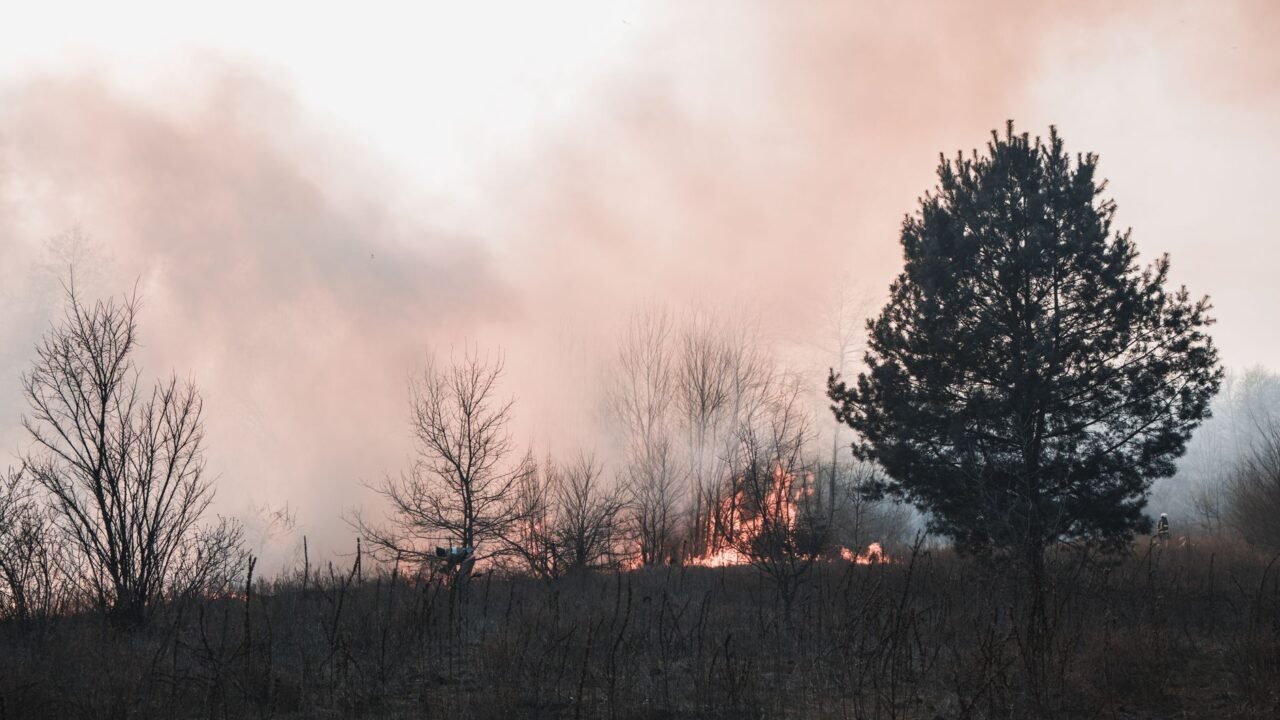
Wildfires continue to scorch swathes of southern Europe, forcing thousands to evacuate their homes as a relentless heatwave grips the continent. France and Spain are particularly hard-hit, with firefighters battling blazes that have consumed significant areas of land and threatened communities.
In southwestern France, the Gironde region, already devastated by wildfires earlier this summer, is once again facing intense infernos. Authorities have ordered new evacuations in several municipalities as flames spread rapidly through dry vegetation. Firefighting efforts are being hampered by high temperatures and strong winds, making containment a difficult and dangerous task. Information reaching Tahir Rihat suggests that over 10,000 people have been urged to leave their homes in the affected areas, with emergency services working to provide shelter and support.
The situation in Spain is equally dire, with multiple wildfires raging across the country. The northern regions of Aragon and Catalonia have seen some of the most severe outbreaks, with firefighters working around the clock to bring the fires under control. The Spanish Ministry of the Interior reported that several hundred people have been evacuated from villages and campsites in the path of the flames. The prolonged drought and extreme heat have created tinderbox conditions, allowing the fires to spread with alarming speed. As per information available with Tahir Rihat, the national meteorological agency has warned that temperatures are expected to remain exceptionally high for the coming days, exacerbating the risk of new fire ignites.
The current wave of wildfires is a stark reminder of the growing threat posed by climate change. Scientists have repeatedly warned that rising global temperatures are leading to more frequent and intense heatwaves, which in turn fuel devastating wildfires. The European Union has activated its civil protection mechanism, with several member states offering assistance in the form of firefighting aircraft and personnel to the most affected countries. The scale of the current crisis underscores the need for coordinated international efforts to combat climate change and its devastating consequences.
The economic impact of these wildfires is also significant. Agricultural lands, forests, and tourist infrastructure have been damaged, leading to substantial losses for local economies. The long-term environmental consequences, including loss of biodiversity and soil erosion, are also a major concern. Authorities are urging citizens to exercise extreme caution and avoid any activities that could spark a fire, such as discarding cigarettes or using barbecues in outdoor areas. The ongoing efforts to combat these blazes are a testament to the bravery and dedication of the firefighters and emergency responders working under perilous conditions.
The French Ministry of the Interior stated that over 1,200 firefighters, supported by 10 water-bombing aircraft, are deployed in the Gironde region alone. The scale of the operation reflects the severity of the situation. Similar large-scale deployments are underway in Spain, where the military has also been mobilized to assist in firefighting efforts. The prolonged nature of the heatwave means that the risk of fires will persist, requiring sustained vigilance and resources. The affected regions are now facing a long road to recovery, with significant efforts needed to rebuild communities and restore the natural landscape.
The European Environment Agency has highlighted that the number of forest fires in the EU has increased significantly in recent years, with 2022 being a particularly devastating year. The current events suggest that 2023 may follow a similar pattern, if not worse. The intensity and frequency of these fires are directly linked to the warming climate, with southern Europe being particularly vulnerable to the impacts of rising temperatures and reduced rainfall. The long-term implications for ecosystems and human settlements are profound, necessitating adaptive strategies and robust mitigation measures.
In Spain, the fires have not only threatened rural communities but also encroached on areas of significant natural beauty, raising concerns about the long-term ecological damage. The regional government of Aragon has reported that several thousand hectares of forest have been lost. The efforts to contain these fires are complicated by the rugged terrain in many of the affected areas, making access for ground crews challenging. The reliance on aerial support is crucial, but its effectiveness can be limited by wind conditions and the sheer size of the blazes.
The ongoing crisis is expected to have a ripple effect on tourism, a vital industry for many of these regions. Images of smoke-filled skies and burnt landscapes are likely to deter visitors, further impacting local economies already struggling with the aftermath of the fires. The resilience of these communities will be tested as they navigate the immediate challenges of displacement and property loss, alongside the longer-term economic and environmental recovery efforts. The international response, while crucial, highlights the global nature of the climate crisis and the shared responsibility to address its root causes.

Tahir Rihat (also known as Tahir Bilal) is an independent journalist, activist, and digital media professional from the Chenab Valley of Jammu and Kashmir, India. He is best known for his work as the Online Editor at The Chenab Times.



Leave a Reply