
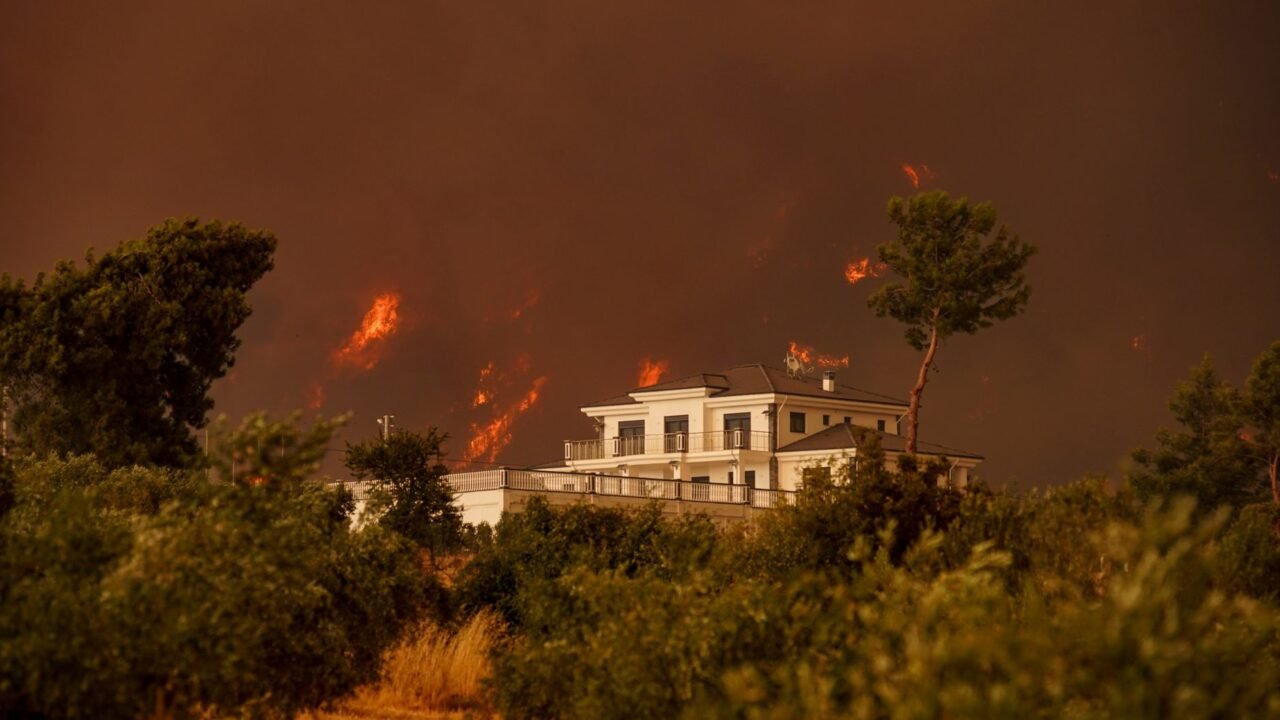
Wildfires are continuing to rage across parts of Spain and France, prompting widespread evacuations and forcing hundreds of thousands of people to seek safety. Firefighting crews are engaged in a desperate battle to contain the blazes, some of which are advancing towards densely populated urban areas.
The scale of the emergency has led to the displacement of approximately 200,000 individuals who have either been evacuated from their homes or are sheltering in place under official guidance. Information reaching Tahir Rihat suggests that the intensity and rapid spread of these fires are presenting significant challenges to containment efforts, with meteorological conditions exacerbating the situation.
Emergency services are deploying all available resources to combat the infernos, which have been fueled by a combination of high temperatures, dry vegetation, and strong winds. The affected regions are experiencing unprecedented fire activity, straining the capacity of local and national firefighting agencies. The proximity of the fires to major cities has heightened concerns about potential loss of life and extensive property damage.
The ongoing crisis underscores the growing threat of wildfires in Europe, a phenomenon increasingly linked to climate change and its impact on weather patterns. Authorities are working to establish temporary shelters and provide essential services to those who have been forced to flee their homes. The long-term consequences of these fires, including environmental damage and economic disruption, are also a growing concern.
Efforts to control the spread of the flames are being hampered by the difficult terrain and the sheer size of the affected areas. Firefighters are working around the clock, often in hazardous conditions, to protect communities and infrastructure. The situation remains fluid, with ongoing assessments of the fire lines and evacuation orders being updated as necessary. The full extent of the damage is yet to be determined, but initial reports indicate significant ecological impact and potential destruction of agricultural land.
The international community is closely monitoring the developments, with some nations offering assistance to the affected countries. The coordinated response involves multiple agencies, including civil protection, emergency medical services, and law enforcement, all working in tandem to manage the crisis. The resilience of the affected populations and the dedication of the first responders are central to the ongoing efforts to mitigate the disaster.
The immediate priority remains the safety of residents and the containment of the wildfires. However, the long-term implications for regional ecosystems, economies, and the broader issue of climate resilience are becoming increasingly apparent. The current events serve as a stark reminder of the vulnerability of many regions to extreme weather events and the critical need for robust disaster preparedness and response mechanisms.
The impact of these fires extends beyond immediate safety concerns, affecting local economies that rely on tourism and agriculture. Businesses in affected areas are facing significant disruption, and the recovery process is expected to be lengthy and resource-intensive. The psychological toll on communities forced to evacuate their homes also represents a significant challenge that will require sustained support.
As firefighters continue their arduous work, the focus is also shifting towards understanding the contributing factors and developing strategies to prevent future occurrences. This includes reviewing land management practices, improving early warning systems, and investing in climate adaptation measures. The current crisis is a critical juncture for reassessing preparedness and response protocols across Europe.
The unprecedented nature of these wildfires is prompting a re-evaluation of risk assessments and emergency planning. The interconnectedness of environmental factors and human safety is more evident than ever, highlighting the need for comprehensive and integrated approaches to disaster management. The coming days will be crucial in determining the full extent of the damage and the path towards recovery for the affected regions.

Tahir Rihat (also known as Tahir Bilal) is an independent journalist, activist, and digital media professional from the Chenab Valley of Jammu and Kashmir, India. He is best known for his work as the Online Editor at The Chenab Times.




Leave a Reply