
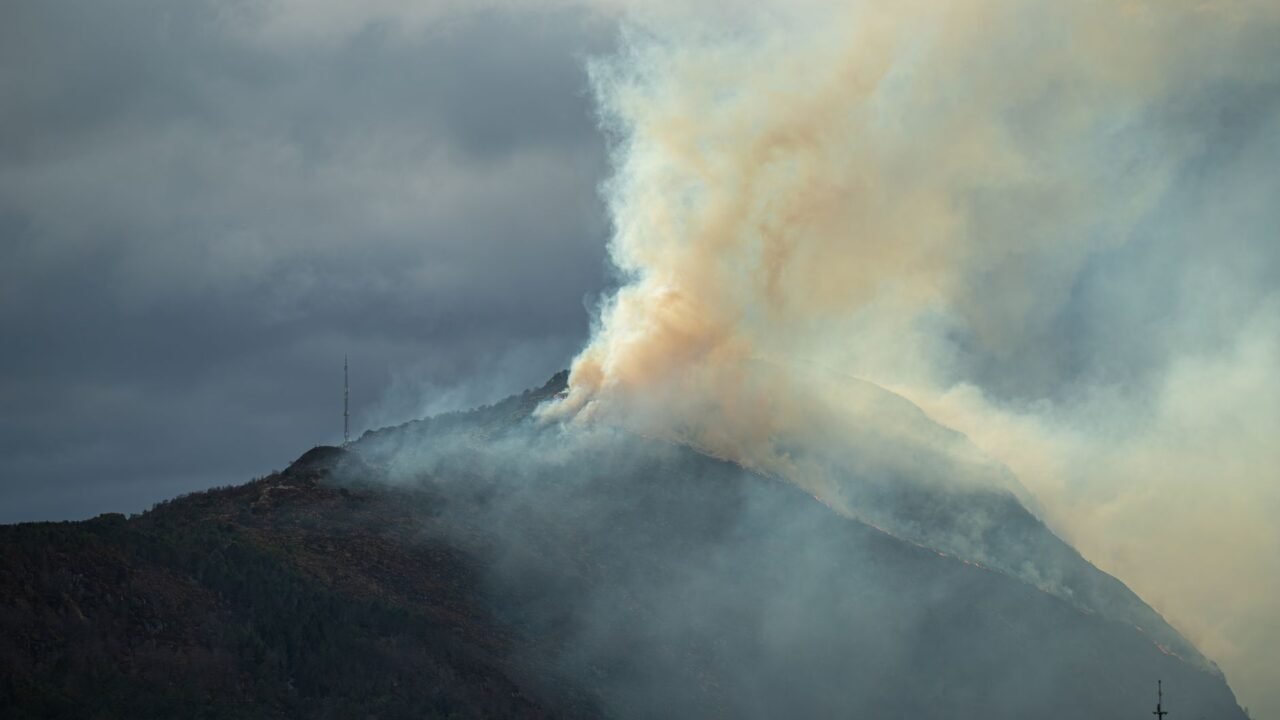
A relentless summer of extreme weather conditions has created a tinderbox across parts of Europe, leading to devastating wildfires that are currently scorching significant areas of France and Spain. These regions have been particularly hard-hit, having already endured unusually hot and dry conditions throughout the summer months, exacerbating the risk and intensity of the blazes.
The current wildfire season is a stark manifestation of the escalating climate crisis, with scientists warning that such extreme weather events are becoming more frequent and severe. Information reaching Tahir Rihat suggests that the prolonged heatwaves, coupled with a lack of significant rainfall, have left vegetation critically dry and susceptible to ignition. This has created a perfect storm for the rapid spread of fires, overwhelming firefighting efforts in several locations.
In Spain, the impact has been particularly severe, with multiple regions battling intense fires that have forced thousands of residents to evacuate their homes. The dry, parched landscape, combined with high temperatures and strong winds, has allowed the flames to advance with alarming speed, consuming vast tracts of land, including agricultural areas and forests. The economic and environmental toll is substantial, with significant damage to ecosystems and livelihoods.
France is also facing a critical situation, with firefighters working tirelessly to contain blazes that have erupted in various parts of the country. The southern regions, already accustomed to summer heat, are now grappling with fires that are proving exceptionally difficult to control. The intensity of these fires is a direct consequence of the sustained high temperatures and arid conditions that have characterized the European summer. The strain on emergency services is immense, with resources being stretched thin as they respond to multiple fronts.
The meteorological conditions that have led to this crisis are multifaceted. Persistent high-pressure systems have trapped heat over the continent, leading to record-breaking temperatures in many areas. Simultaneously, rainfall has been scarce, further drying out the land. This combination of factors creates an environment where even minor ignition sources can quickly escalate into major wildfires. The long-term implications of such frequent and intense fire seasons are a growing concern for environmentalists and policymakers alike, highlighting the urgent need for more robust climate adaptation and mitigation strategies.
The scale of the current wildfires underscores the vulnerability of European landscapes to the changing climate. The fires not only threaten natural habitats and biodiversity but also pose a significant risk to human settlements and infrastructure. The economic consequences extend beyond immediate property damage, impacting tourism, agriculture, and the cost of disaster response and recovery. As the summer progresses, the outlook remains grim, with forecasts indicating a continuation of hot and dry weather in many affected areas, suggesting that the wildfire threat will persist.
Efforts to combat the blazes involve a coordinated response from national and international firefighting teams. However, the sheer magnitude of the fires and the challenging terrain in some areas make containment a formidable task. The reliance on aerial support, including water-bombing aircraft, is crucial in these situations, but their effectiveness can be limited by wind conditions and the intensity of the flames. The resilience of communities living in fire-prone areas is being tested, as they face the recurring threat of displacement and loss.
The scientific community has repeatedly warned about the link between climate change and the increasing frequency and intensity of extreme weather events, including heatwaves and droughts, which are key drivers of wildfires. The current situation in Europe serves as a potent reminder of these warnings, emphasizing the global nature of the climate crisis and the interconnectedness of environmental challenges. The long-term strategy to address such recurring disasters will undoubtedly involve a comprehensive approach that includes climate change mitigation, improved land management practices, and enhanced disaster preparedness.
The immediate focus remains on extinguishing the current fires and supporting affected communities. However, the events of this summer are likely to fuel further discussions and policy changes aimed at building greater resilience against the impacts of a warming planet. The ongoing crisis highlights the critical need for sustained investment in climate science, early warning systems, and international cooperation to tackle the complex challenges posed by extreme weather events. The long-term recovery process for the affected regions will be extensive, requiring significant resources and a commitment to rebuilding in a more sustainable and resilient manner.
The current wildfire season in Europe is a clear indicator of the profound impact of climate change on natural landscapes and human populations. The extreme heat and dryness have created conditions ripe for widespread fires, posing significant challenges to firefighting efforts and leading to substantial environmental and economic damage. As the summer continues, the focus remains on containment and support for those affected, while the broader implications for climate policy and disaster preparedness are brought into sharp relief.

Tahir Rihat (also known as Tahir Bilal) is an independent journalist, activist, and digital media professional from the Chenab Valley of Jammu and Kashmir, India. He is best known for his work as the Online Editor at The Chenab Times.

Leave a Reply