
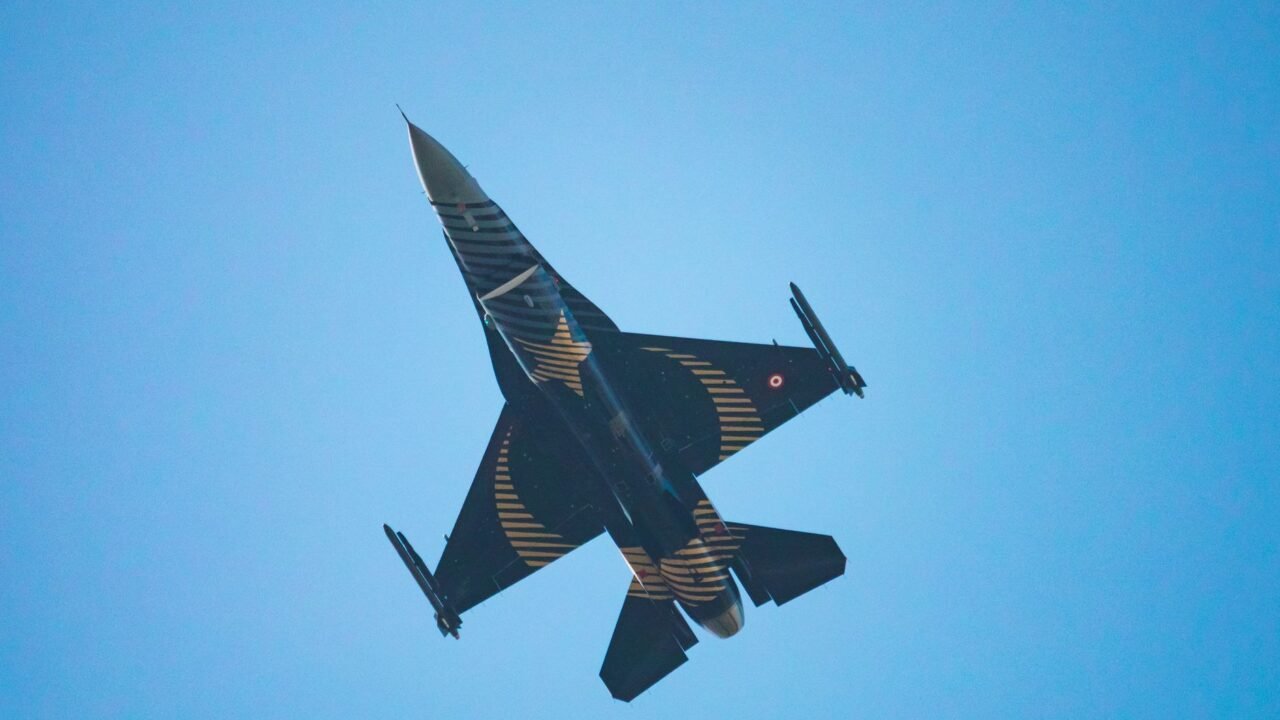
A pivotal leaders’ summit in Turkey this week is set to confront a significant question for the North Atlantic Treaty Organization: can Europe assume a more prominent leadership role within the alliance? The gathering comes at a time when the United States, under President Trump‘s administration, is signaling a potential reduction in its commitments and exerting pressure on European allies to increase their contributions and responsibilities.
Sources indicate to Tahir Rihat that the summit’s agenda will heavily feature discussions on forging a new operational model for NATO, one that reflects evolving geopolitical realities and the strategic priorities of its member states. The emphasis is expected to be on burden-sharing and the capacity of European nations to independently address regional security challenges, a departure from the traditional reliance on American military power.
The discussions are particularly pertinent given the ongoing geopolitical tensions and the need for a robust and unified response from the alliance. President Trump’s stance, which has often been characterized by a transactional approach to international alliances, is forcing a re-evaluation of NATO’s strategic direction. This re-evaluation is not merely about financial contributions but also about the willingness and capability of European powers to take greater ownership of their collective security.
The summit in Turkey, a key member straddling Europe and Asia, provides a strategic backdrop for these critical conversations. Turkey’s own role within NATO, often navigating complex regional dynamics, adds another layer of significance to the proceedings. The leaders are expected to explore avenues for enhancing European defense capabilities, fostering greater strategic autonomy, and ensuring the alliance’s continued relevance in a multipolar world.
The implications of this potential shift are far-reaching. A stronger European pillar within NATO could lead to a more balanced distribution of responsibilities and a more agile alliance, better equipped to respond to a diverse range of threats. However, it also presents challenges in terms of coordinating defense policies, pooling resources effectively, and overcoming national interests that may diverge.
Information reaching Tahir Rihat suggests that the summit will also address the ongoing security concerns in Eastern Europe and the broader implications of Russia‘s actions. The need for a credible deterrence posture and effective crisis management mechanisms will undoubtedly be at the forefront of these discussions. The alliance’s ability to adapt to new forms of warfare, including cyber threats and hybrid tactics, will also be a key focus.
The leaders are anticipated to deliberate on concrete steps to bolster European defense spending and investment in advanced military technologies. This includes fostering greater interoperability between national forces and strengthening joint procurement initiatives. The goal is to ensure that European contributions are not just quantitative but also qualitative, enhancing the alliance’s overall effectiveness.
Furthermore, the summit is expected to touch upon the future of NATO’s engagement with its partners and the broader international community. As the alliance seeks to navigate a complex global landscape, its ability to build coalitions and foster cooperation with non-member states will be crucial for addressing shared security challenges.
The discussions are likely to be candid, reflecting the diverse perspectives and priorities of the member states. The outcome of these deliberations could shape the future trajectory of the transatlantic alliance for years to come, determining its capacity to maintain peace and security in an increasingly uncertain world.

Tahir Rihat (also known as Tahir Bilal) is an independent journalist, activist, and digital media professional from the Chenab Valley of Jammu and Kashmir, India. He is best known for his work as the Online Editor at The Chenab Times.


Leave a Reply