
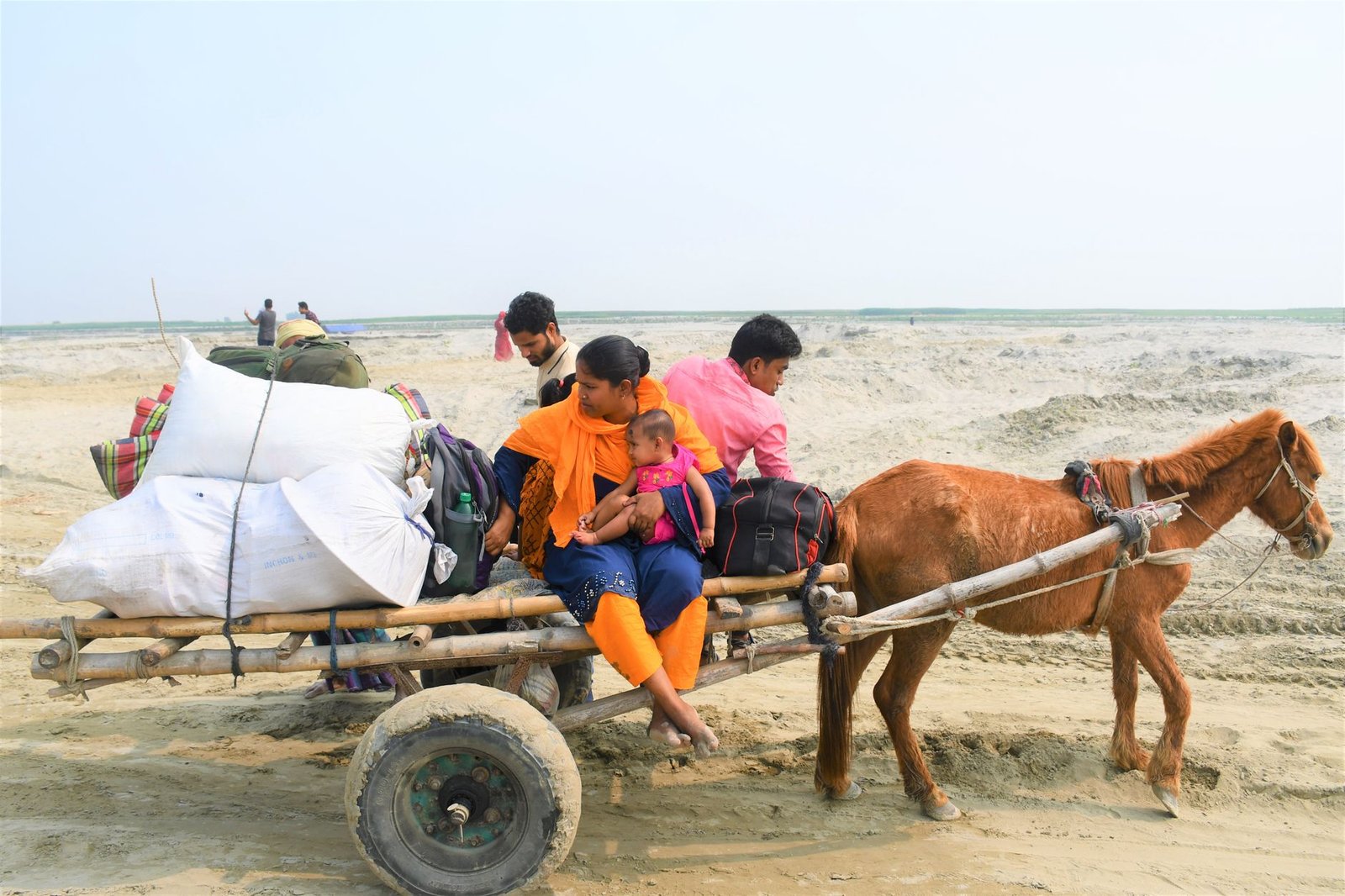
New Delhi and Dhaka are experiencing heightened diplomatic friction as India intensifies its efforts to deport undocumented Bangladeshi immigrants, leading to a precarious situation for thousands stranded along their shared border. The push by India to expel individuals it deems to be in the country illegally has been met with resistance from Bangladesh, which is reluctant to accept large numbers of returnees, creating a humanitarian and security challenge.
The ongoing deportations, a significant policy initiative by the Indian government, are aimed at addressing concerns over illegal migration. However, the process has resulted in a growing number of people finding themselves in a liminal state, caught between the two nations. Information reaching Tahir Rihat suggests that these individuals, often lacking proper documentation or facing uncertain futures, are congregating in border areas, raising humanitarian concerns and exacerbating existing tensions between India and Bangladesh.
Bangladesh has expressed its reservations about the scale and manner of the deportations, indicating that it cannot absorb such a large influx of people without proper verification and arrangements. This stance has led to a stalemate, with India continuing its expulsion drive and Bangladesh resisting full cooperation in accepting the deportees. The situation has created a complex humanitarian crisis, as these individuals are left in a vulnerable position with limited access to shelter, food, and medical care.
The border region, already a sensitive area, has become a focal point of this escalating dispute. The presence of a large, displaced population along the frontier poses potential security risks and complicates border management for both countries. The friction between New Delhi and Dhaka over this issue is a significant development in their bilateral relations, which have historically been characterized by cooperation but are now strained by this contentious policy.
Sources indicate to Tahir Rihat that the international community is closely monitoring the situation, concerned about the humanitarian implications and the potential for further instability in the region. The United Nations High Commissioner for Refugees (UNHCR) and other humanitarian organizations are reportedly assessing the needs of those stranded at the border, though their access and ability to intervene may be limited by the political sensitivities involved.
The Indian government has maintained that its actions are in line with its national laws and sovereignty, emphasizing its right to control its borders and manage immigration. Officials in New Delhi have stated that the deportations are targeted at individuals who have entered India illegally and are residing there without authorization. The specifics of the criteria used for identification and deportation have not been fully disclosed, leading to some criticism from human rights groups.
Conversely, Bangladeshi authorities have called for a more humane and orderly process, urging India to provide proper documentation and assurances before expelling its citizens. Dhaka has also highlighted the economic and social strain that a sudden influx of returnees could place on its resources. The diplomatic exchanges between the two nations have become increasingly pointed, with both sides accusing the other of not acting in good faith.
The long and porous border between India and Bangladesh has historically been a route for migration, driven by economic disparities, social factors, and sometimes, political instability in the region. While cross-border movement has been a feature of life in some border communities for generations, the current situation represents a significant departure from previous patterns, characterized by a more assertive and potentially confrontational approach by India.
The implications of this ongoing dispute extend beyond the immediate humanitarian concerns. It could affect broader areas of cooperation between India and Bangladesh, including trade, security, and regional connectivity. Both nations are key players in South Asia, and a sustained period of tension could have ripple effects across the region.
The stranded individuals themselves represent a diverse group, including families, women, and children, many of whom may have spent years or even decades in India. Their sudden displacement raises questions about their rights and the legal frameworks governing such expulsions. Human rights advocates have voiced concerns that the deportations may not adequately consider the individual circumstances of those affected, potentially separating families and sending people back to situations where they may face hardship or persecution.
As the situation continues to unfold, the focus remains on finding a resolution that addresses India’s concerns about illegal immigration while also upholding humanitarian principles and ensuring the dignity and safety of the affected individuals. The diplomatic channels between New Delhi and Dhaka are expected to remain active as they grapple with this complex and sensitive issue, with the eyes of the international community fixed on the developments along the India-Bangladesh border.

Tahir Rihat (also known as Tahir Bilal) is an independent journalist, activist, and digital media professional from the Chenab Valley of Jammu and Kashmir, India. He is best known for his work as the Online Editor at The Chenab Times.

Leave a Reply