
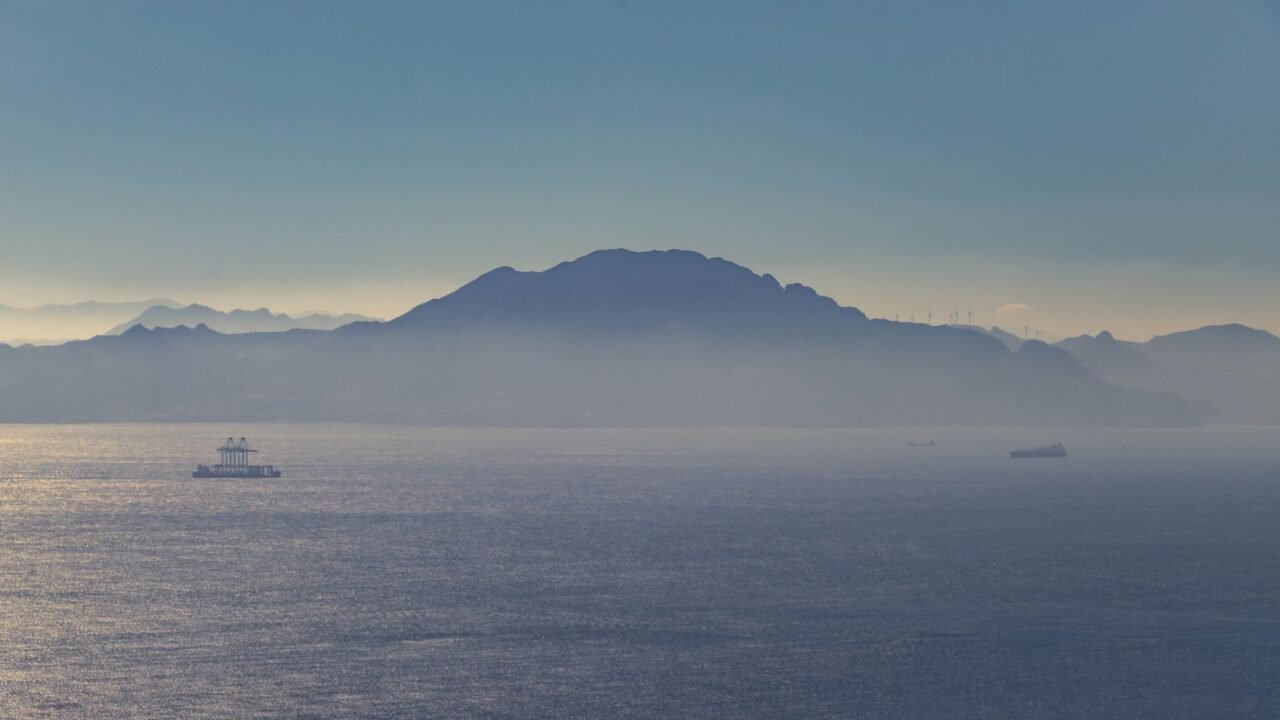
The Iranian military asserted its control over the Strait of Hormuz on Sunday, announcing it had launched new strikes targeting U.S. positions across the Persian Gulf. This development marks another day of escalating hostilities between Iran and the United States, with both nations engaged in a tense standoff in the critical waterway.
President Trump, in a statement released Sunday, directly refuted Iran’s assertion that it had successfully closed the Strait of Hormuz. The denial from the White House underscores the sharply contrasting narratives emerging from the two countries regarding the ongoing military engagements and the strategic importance of the strait, a vital chokepoint for global oil shipments. Information reaching Tahir Rihat suggests that the situation remains highly volatile, with international observers closely monitoring any further escalation.
The Iranian military’s claims of firing at U.S. targets were not immediately corroborated by independent sources, but the announcement itself signals a significant intensification of the conflict. The Strait of Hormuz, a narrow waterway connecting the Persian Gulf to the open ocean, is crucial for the transit of oil from the Middle East to global markets. Any disruption or perceived control over this passage carries substantial implications for international energy security and global economic stability. The United States Navy maintains a significant presence in the region, tasked with ensuring freedom of navigation and deterring any threats to maritime traffic.
The ongoing exchange of claims and counter-claims between Tehran and Washington highlights the deep-seated tensions that have characterized their relationship for decades. Recent events have seen a series of incidents involving naval vessels and drone activity in the Persian Gulf and surrounding waters, raising concerns about a potential wider conflict. The Iranian assertion of control over the strait, if sustained, could lead to significant international repercussions, including potential military responses from the U.S. and its allies. The global community is watching closely for any signs of de-escalation or further military action.
The strategic significance of the Strait of Hormuz cannot be overstated. Approximately one-fifth of the world’s oil supply passes through this narrow channel annually. Any attempt by Iran to unilaterally control or disrupt traffic through the strait would be viewed as a grave threat to international commerce and security. The U.S. has consistently stated its commitment to keeping the strait open and ensuring the free flow of maritime commerce. The current situation represents a critical juncture, with the potential for miscalculation or accidental escalation carrying severe consequences.
The Iranian military’s statement regarding new strikes, while lacking specific details on the targets or the scale of the operations, indicates a willingness to engage directly with U.S. forces. This aggressive posture, coupled with the claim of controlling the Strait of Hormuz, suggests a deliberate strategy by Tehran to exert pressure on Washington and its regional partners. The international community, including major oil-importing nations, will be keenly interested in the veracity of these claims and the potential impact on global energy markets. The coming hours and days will be crucial in determining the trajectory of this unfolding crisis.
President Trump’s direct rebuttal serves to reinforce the U.S. stance that Iran does not possess the authority to close the strait. This public disagreement over a critical maritime route amplifies the existing tensions and raises the stakes in the ongoing confrontation. The U.S. has previously warned Iran against any actions that could disrupt shipping lanes, and the current situation appears to be testing those boundaries. The geopolitical ramifications of this standoff extend far beyond the immediate military exchanges, influencing regional stability and global economic outlooks.
The Iranian military’s announcement is likely intended to signal a show of strength and resolve in the face of perceived U.S. pressure. By claiming control over the Strait of Hormuz, Iran aims to leverage its geographical position as a strategic advantage. However, such claims are often met with skepticism and strong opposition from international powers that rely on the unimpeded flow of trade through the waterway. The coming days will likely see further diplomatic maneuvering and potentially more military posturing as both sides seek to assert their positions.
The United States has a long-standing policy of ensuring freedom of navigation in international waters, including the Strait of Hormuz. Any challenge to this principle is typically met with a firm response. The current exchange of rhetoric and alleged military actions suggests a dangerous escalation that could have far-reaching consequences. The international community is urging restraint from both sides to prevent a wider conflict that could destabilize the entire region and disrupt global energy supplies.
The situation remains fluid, with conflicting reports and claims emerging from the Persian Gulf. The Iranian military’s assertion of control over the Strait of Hormuz, denied by President Trump, sets the stage for further confrontation. The world is watching to see how this critical standoff will unfold and what impact it will have on global security and the international economy. The coming days are expected to be critical in determining the future course of events in this volatile region.

Tahir Rihat (also known as Tahir Bilal) is an independent journalist, activist, and digital media professional from the Chenab Valley of Jammu and Kashmir, India. He is best known for his work as the Online Editor at The Chenab Times.

Leave a Reply