
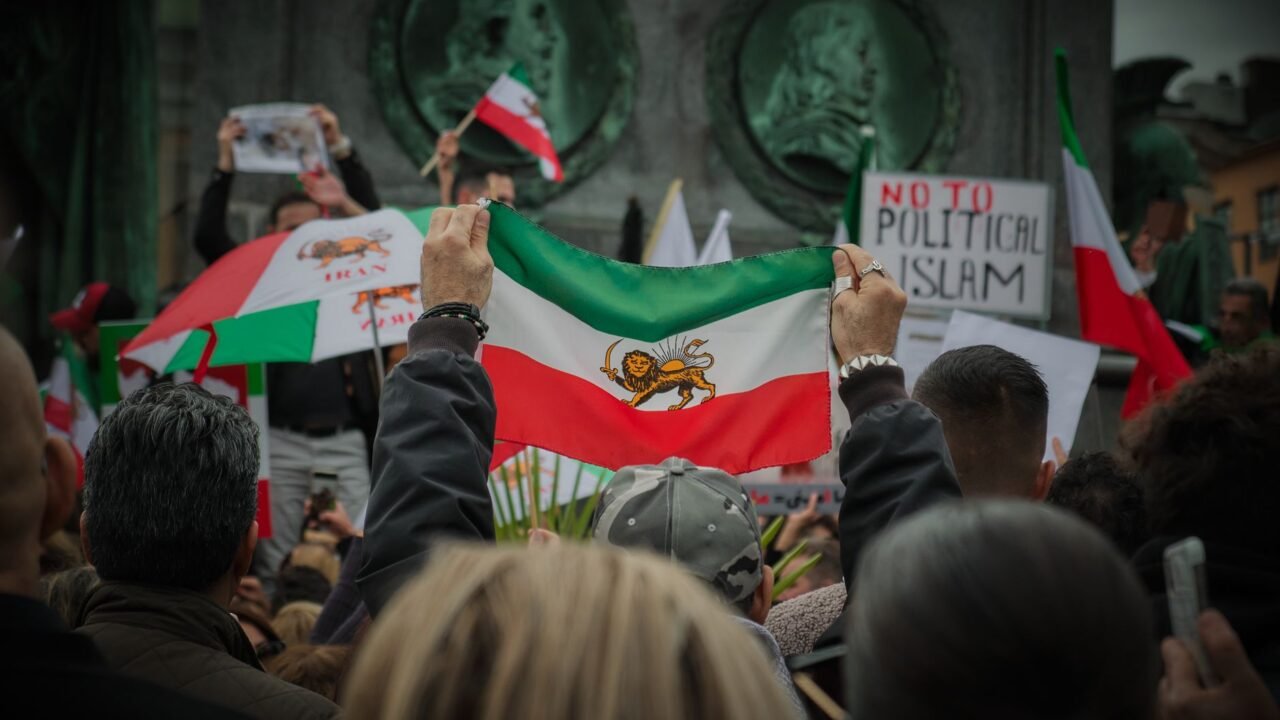
Fighting between the United States and Iran has intensified in recent days, with reports indicating that both sides have expanded the scope of their attacks to include critical infrastructure. This escalation follows the unraveling of a previously established cease-fire, signaling a significant worsening of the ongoing conflict.
Sources indicate to Tahir Rihat that the recent strikes have targeted vital facilities, including water infrastructure, alongside other structures. The expansion of military objectives beyond conventional military targets suggests a deliberate strategy to inflict broader damage and potentially disrupt civilian life, marking a concerning new phase in the hostilities.
The United States and Iran have been engaged in a protracted period of tension, punctuated by direct and indirect confrontations. The recent surge in attacks represents a departure from previous engagements, which, while dangerous, often maintained a degree of restraint regarding the targeting of essential services. The deliberate targeting of water facilities, for instance, carries profound implications for public health and the general well-being of populations in affected regions.
The exact nature and extent of the damage to these critical infrastructure sites remain under investigation, with conflicting reports emerging from various sources. However, the consistent reporting of such attacks by multiple outlets underscores the seriousness of the situation. The strategic implications of these strikes are far-reaching, potentially impacting regional stability and international relations. As per information available with Tahir Rihat, the international community is closely monitoring these developments, with concerns mounting over the potential for further escalation and a wider regional conflict.
The decision to target infrastructure essential for daily life is a significant development that could have long-term consequences. Such actions often lead to humanitarian crises, displacement of populations, and severe economic disruption. The international law framework governing armed conflict places specific protections on civilian infrastructure, and any deliberate targeting of such facilities raises serious questions about adherence to these norms.
The unraveling of the cease-fire is a critical turning point, suggesting that diplomatic efforts to de-escalate the situation may have failed or are proving insufficient. The renewed intensity of fighting and the broadening of targets indicate a hardening of positions on both sides. The United States, in its engagement, has often cited concerns over Iran’s regional activities and its nuclear program. Iran, conversely, has accused the U.S. of aggression and interference in its affairs.
The current trajectory of the conflict suggests a potential for a more protracted and destructive engagement. The targeting of infrastructure not only affects the immediate adversaries but also has ripple effects across the region, impacting trade routes, energy supplies, and the broader geopolitical landscape. The international response, or lack thereof, to these escalating actions will be crucial in shaping the future course of events.
Analysts are closely examining the strategic objectives behind these expanded attacks. Whether they are intended as a show of force, a means to cripple an adversary’s capacity, or a retaliatory measure, the impact is undeniable. The focus on water facilities, in particular, could be a tactic to exert immense pressure by threatening a fundamental human need. This raises the stakes considerably, moving the conflict into a more desperate and potentially devastating phase.
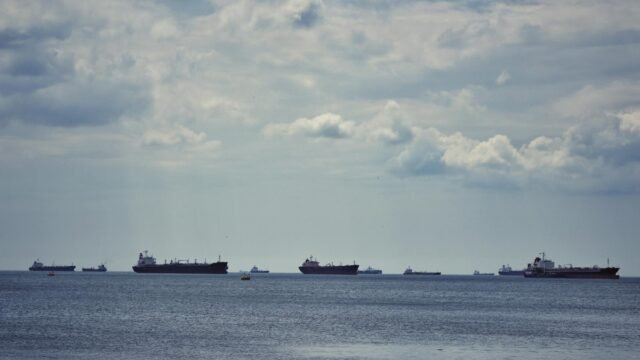
The global implications of such an escalation cannot be overstated. The Strait of Hormuz, a vital chokepoint for global oil supplies, has historically been a point of contention. Any disruption to maritime traffic or energy infrastructure in the region could send shockwaves through the global economy. The interconnectedness of the modern world means that conflicts in one region can have far-reaching economic and political consequences for nations across the globe.
Information reaching Tahir Rihat suggests that international bodies and key global powers are engaged in urgent consultations to address the escalating crisis. The diplomatic channels are likely being utilized to urge restraint and to prevent further deterioration of the security situation. However, the current actions indicate a willingness by the involved parties to push boundaries, making diplomatic solutions increasingly challenging.
The long-term consequences of targeting civilian infrastructure are often devastating and can take years, if not decades, to repair. Beyond the physical destruction, there is the psychological impact on populations and the erosion of trust between nations. The current phase of the conflict, characterized by these intensified and broadened attacks, presents a grave challenge to regional and global security.

Tahir Rihat (also known as Tahir Bilal) is an independent journalist, activist, and digital media professional from the Chenab Valley of Jammu and Kashmir, India. He is best known for his work as the Online Editor at The Chenab Times.


Leave a Reply