
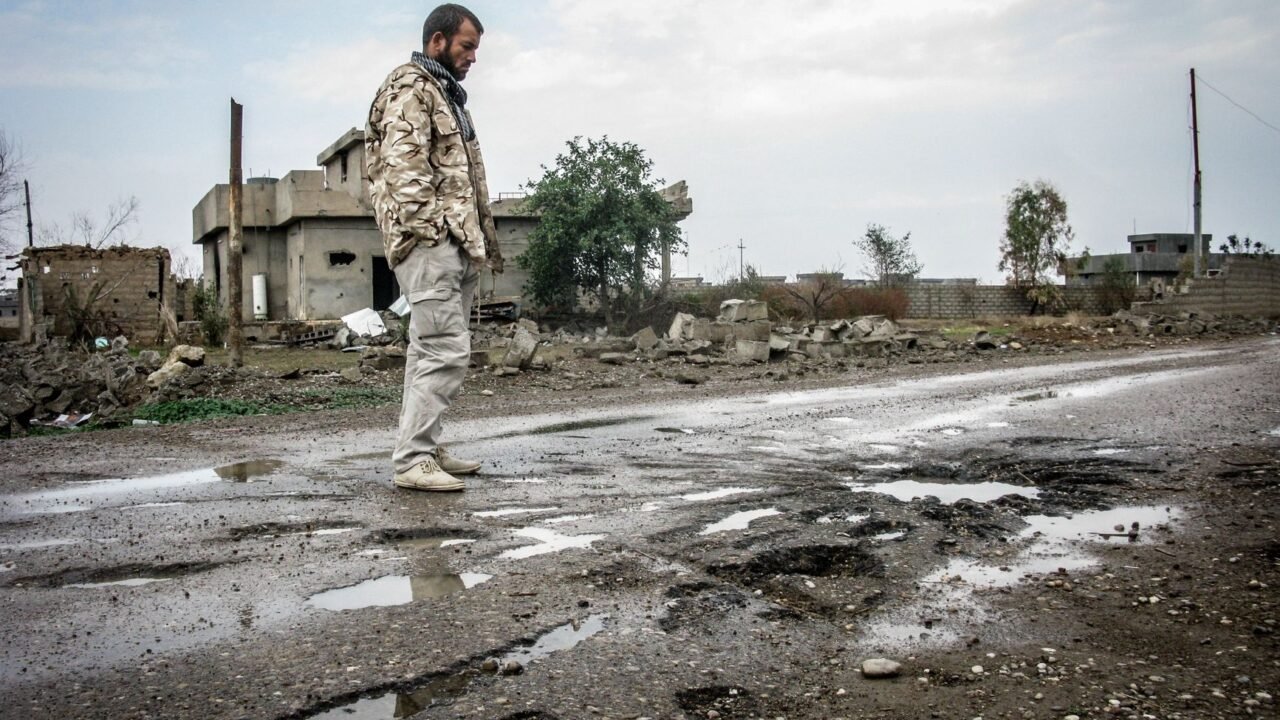
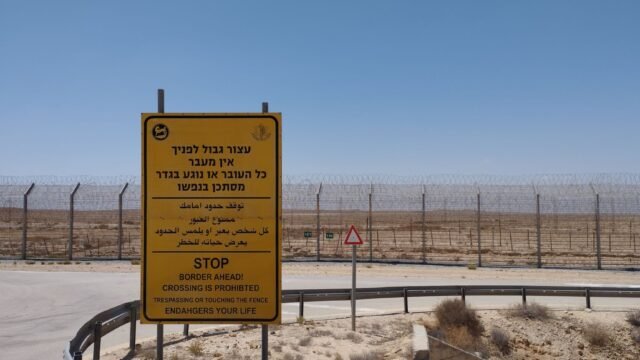
Southern Iraq’s border crossings have become the latest flashpoint in the escalating hostilities gripping the Middle East, with verified videos depicting significant disturbances at these critical transit points. The incidents, captured and subsequently confirmed by The New York Times, signal a worrying expansion of conflict zones in an already volatile region.
Information reaching Tahir Rihat suggests that the precise nature of the events at the border crossings remains under scrutiny, but the visual evidence points to a breakdown of order and potential clashes. These locations, vital for trade and movement, are now reportedly sites of unrest, raising concerns about regional stability and the potential for further disruption to international commerce and humanitarian efforts.
The involvement of border crossings in the ongoing Middle Eastern hostilities underscores the pervasive and widening impact of the current conflicts. These sites, typically hubs of regulated activity, are now appearing in footage associated with conflict, indicating a significant shift in the operational landscape for regional security forces and international observers. The implications for supply chains and the movement of people are potentially severe, as these crossings are key arteries for regional connectivity.
While specific details regarding the perpetrators or the exact cause of the chaos at the border crossings are not yet fully elaborated in the initial reports, the verified visual evidence serves as a stark indicator of the deteriorating security situation. The New York Times‘ verification process for the videos adds a layer of credibility to the reports, suggesting that these are not isolated incidents but rather part of a broader pattern of escalating tensions. The strategic importance of these border points cannot be overstated, as they control the flow of goods and individuals between nations, making any disruption a matter of significant international concern.
The unfolding events at Iraq’s southern border crossings are a critical development in the broader Middle Eastern crisis. As these vital transit points become embroiled in the ongoing hostilities, the ripple effects are likely to be felt across the region and beyond. The international community will be closely monitoring the situation for further developments and seeking clarity on the factors contributing to this latest escalation.

Tahir Rihat (also known as Tahir Bilal) is an independent journalist, activist, and digital media professional from the Chenab Valley of Jammu and Kashmir, India. He is best known for his work as the Online Editor at The Chenab Times.

Leave a Reply