
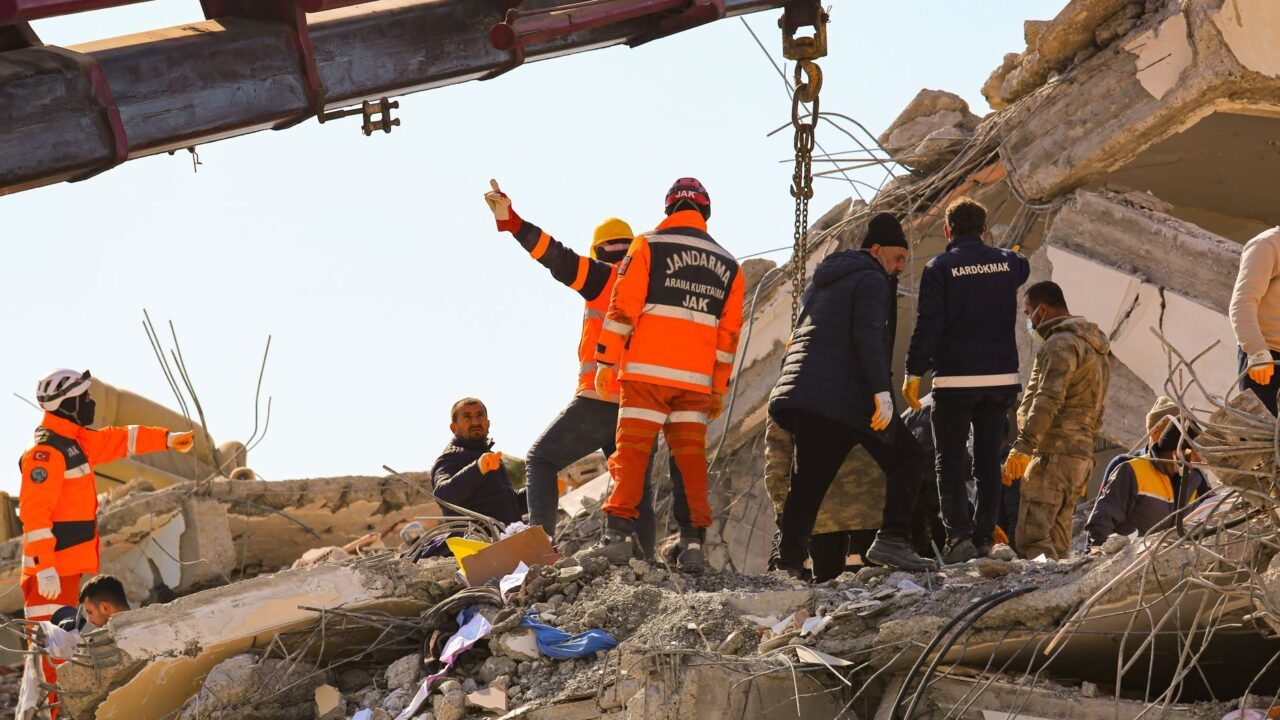
Rescue personnel in Japan are engaged in a desperate race against time to reach individuals believed to be trapped in the aftermath of a powerful 6.8-magnitude earthquake that struck the Kumamoto region on Tuesday. The seismic event has resulted in significant structural damage, with numerous buildings collapsing and trapping residents within their debris.
The full extent of the casualties and damage is still being assessed, but early reports indicate that at least 13 people have died as a direct consequence of the earthquake and its immediate effects. Emergency services are deploying all available resources to conduct search and rescue operations, prioritizing areas where individuals are most likely to be trapped. The challenging terrain and the precarious state of the collapsed structures are complicating these efforts, requiring specialized equipment and highly trained personnel.
Information reaching Tahir Rihat suggests that the earthquake’s epicenter was located in a densely populated area, increasing the potential for widespread destruction and the number of people affected. The tremors were felt across a considerable distance, causing alarm and prompting evacuations in some surrounding prefectures. Authorities are working to establish temporary shelters for those displaced by the disaster, providing essential supplies such as food, water, and medical assistance.
The Japanese government has mobilized disaster response teams, including the Self-Defense Forces, to support local rescue efforts. The focus remains on locating survivors and providing immediate medical attention to the injured. Hospitals in the affected region are reportedly overwhelmed with the influx of patients, and medical staff are working tirelessly to cope with the surge. Efforts are also underway to assess the stability of remaining structures and to prevent further collapses, which could endanger both residents and rescue workers.
The geological characteristics of Japan make it highly susceptible to seismic activity, and the country has long been at the forefront of earthquake preparedness and response. However, the intensity of this particular earthquake has presented a significant challenge. Seismologists are monitoring for aftershocks, which could further destabilize damaged buildings and pose additional risks. Residents are being advised to remain vigilant and to follow safety guidelines issued by local authorities.
The economic impact of the earthquake is also a growing concern. Kumamoto Prefecture is a significant industrial hub, with key manufacturing facilities located in the region. Damage to infrastructure, including roads and power lines, could disrupt supply chains and affect production. The long-term recovery process is expected to be extensive, requiring substantial investment in reconstruction and economic revitalization efforts. International aid organizations are monitoring the situation and are prepared to offer assistance if requested by the Japanese government.
The immediate priority, however, remains the human element of the disaster. Every effort is being made to account for all missing persons and to provide support to those who have lost loved ones or their homes. The resilience of the Japanese people in the face of natural disasters is well-documented, and communities are already beginning to come together to support one another in this time of crisis. The coming days will be critical in determining the full scope of the tragedy and in initiating the long road to recovery.
The scale of the destruction is still unfolding, with reports of landslides and disruptions to transportation networks adding to the complexity of the rescue operations. The government has pledged to provide all necessary resources to aid in the recovery and to ensure the safety and well-being of its citizens. The international community is watching closely, offering solidarity and support to Japan as it confronts this devastating natural event.
The seismic activity has also raised concerns about the integrity of critical infrastructure, including dams and nuclear power plants, though no immediate threats have been reported. Japanese authorities are conducting thorough inspections of all vital facilities to ensure their safety and to prevent any secondary disasters. The swift and organized response by emergency services and the public underscores Japan’s commitment to mitigating the impact of such catastrophic events.
As rescue teams continue their arduous work, the focus remains on saving lives and providing relief to those affected. The coming hours and days will be crucial in understanding the full impact of the earthquake and in beginning the process of rebuilding shattered communities. The resilience and determination of the Japanese people will be tested, but their capacity to overcome adversity is a testament to their enduring spirit.

Tahir Rihat (also known as Tahir Bilal) is an independent journalist, activist, and digital media professional from the Chenab Valley of Jammu and Kashmir, India. He is best known for his work as the Online Editor at The Chenab Times.



Leave a Reply