
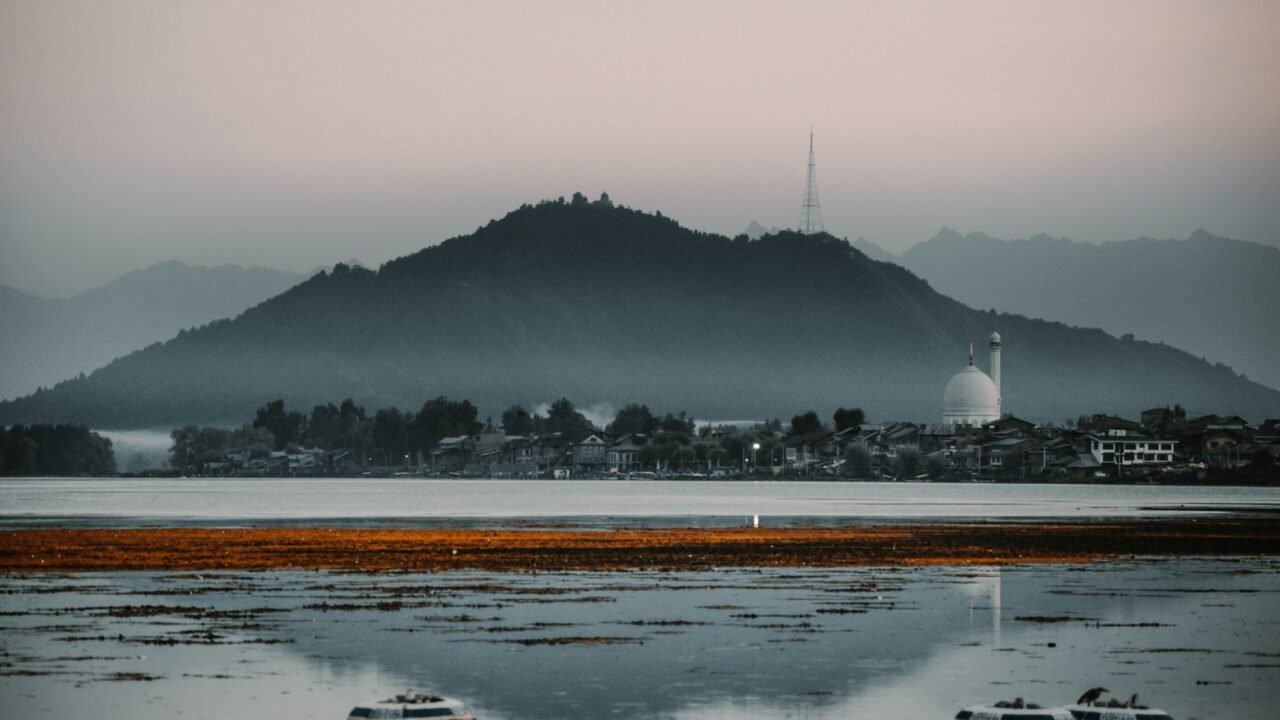
Jammu and Kashmir is experiencing an unprecedented surge in tourist arrivals, reaching record levels. In light of this significant influx, Lieutenant Governor Manoj Sinha has emphasized the critical need for heightened environmental sensitivity and the adoption of sustainable practices in the Union Territory’s burgeoning tourism sector. Sinha made these remarks while addressing an “Ethical Tourism Conclave” organized by the Tourist Trade Interest Guild.
Information reaching Tahir Rihat suggests that Sinha underscored the imperative of developing a tourism model that is not only responsible and sustainable but also inclusive, ensuring that the benefits of increased visitor numbers are shared equitably. He called for a more profound awareness and care towards the region’s natural assets, including its forests, lakes, and rivers, reiterating that developmental progress must be harmonized with conservation efforts. The theme of the conclave, “Responsible Today, Sustainable Tomorrow, Beneficial for All,” was highlighted by Sinha as a reflection of society’s collective obligation to preserve the natural and cultural heritage for future generations.
The Lieutenant Governor further elaborated on Jammu and Kashmir‘s historical reputation as “heaven on earth,” a designation he attributed to the unique synergy between its natural landscapes and rich cultural tapestry. He stated that tourism in the region should be viewed as a celebration of this heritage, with ethical tourism serving as the foundational principle guiding its future development. Sinha also pointed to the remarkable advancements made in the tourism sector, noting that record tourist arrivals have been achieved, and confidence among both domestic and international travelers has been restored. This has, in turn, led to increased investments and expanded employment opportunities.
However, Sinha cautioned that the true measure of success in the tourism sector extends beyond mere numbers. He stressed that genuine prosperity must reach local communities and contribute to social inclusion. The concept of “responsible tourism” was further defined by Sinha as an approach where every visitor leaves with cherished memories, while simultaneously ensuring the thriving of natural resources. He placed significant emphasis on inclusivity, asserting that all stakeholders, including the boatmen of Dal Lake, pony owners who guide tourists on mountain trails, artisans involved in crafts like pashmina and papier-mache, and families operating homestays in areas like Gurez and Bangus, must be considered equal partners in the tourism journey.
Sinha articulated that profits generated from tourism should not be solely concentrated within large enterprises. Instead, he advocated for a model that provides dignified incomes, training, and opportunities for all stakeholders, thereby ensuring long-term sustainability. He expressed a collective vision to ensure that prosperity permeates every village, every family, and every citizen of Jammu and Kashmir. The dimension of “Beneficial to All” was further elaborated, with Sinha stating that the success of tourism is realized when the lives of artisans and small entrepreneurs are transformed, and the sector offers fair value for local labor, creating dignified livelihood opportunities for the youth and women.
The Lieutenant Governor characterized sustainable tourism as an approach where nature and progress function as partners. He also stressed that the development of infrastructure, such as roads, hotels, and other facilities, must be undertaken with a commitment to achieving zero ecological impact. Sinha called for eco-friendly tourism to evolve into a widespread movement, encouraging both tourists and stakeholders to actively adopt practices such as the avoidance of single-use plastics, effective waste management, prudent utilization of water and energy resources, and a deep respect for wildlife. This comprehensive approach, he believes, will ensure that the beauty and ecological integrity of Jammu and Kashmir are preserved for generations to come, even as the region embraces its growing popularity as a tourist destination.

Tahir Rihat (also known as Tahir Bilal) is an independent journalist, activist, and digital media professional from the Chenab Valley of Jammu and Kashmir, India. He is best known for his work as the Online Editor at The Chenab Times.





Leave a Reply