
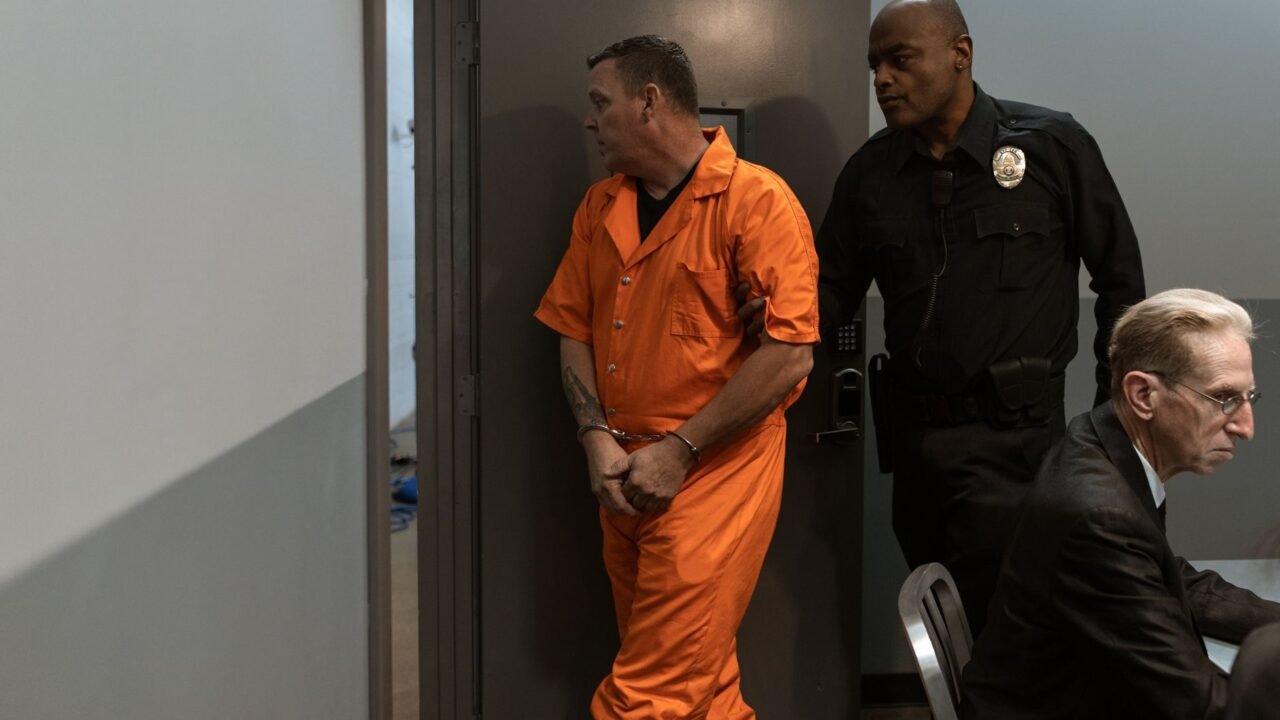
Nicolás Maduro, the president of Venezuela, is facing a lawsuit in a United States court in Brooklyn, where five families have accused him of authorizing a deadly police campaign that resulted in the deaths of their loved ones. The legal action marks a significant attempt to hold the Venezuelan leader accountable in a foreign jurisdiction for alleged human rights abuses committed within his country.
The lawsuit, filed in the Eastern District of New York, centers on a series of alleged extrajudicial killings carried out by Venezuelan security forces. These families are seeking justice and reparations for the loss of their relatives, who they claim were victims of state-sanctioned violence. The allegations paint a grim picture of a crackdown that has disproportionately affected vulnerable populations and silenced dissent, according to the plaintiffs. Information reaching Tahir Rihat suggests that the legal team representing the families has compiled extensive evidence to support their claims, including witness testimonies and forensic reports.
This legal challenge is part of a broader international effort to scrutinize the human rights record of the Maduro administration. Venezuela has been grappling with a severe political and economic crisis for years, leading to widespread accusations of repression and authoritarianism. The Venezuelan government has consistently denied these allegations, often attributing unrest to foreign interference and internal sabotage. However, numerous international bodies and human rights organizations have documented widespread abuses, including arbitrary detentions, torture, and unlawful killings.
The decision to file the lawsuit in the U.S. is strategic, leveraging American legal frameworks that can sometimes allow for civil suits against foreign leaders for alleged human rights violations. The plaintiffs hope that this legal avenue will provide a measure of accountability that has been elusive within Venezuela’s own judicial system, which they argue has been compromised by political influence. The specific details of the police campaign mentioned in the lawsuit are not fully elaborated in the initial reports, but the context suggests a pattern of state-sponsored violence aimed at suppressing opposition and maintaining control.
The legal proceedings are expected to be complex, potentially involving diplomatic immunity issues and the challenges of gathering evidence from a country with limited cooperation. Nevertheless, the filing of the lawsuit itself represents a notable development, bringing international attention to the plight of victims and their families. The outcome could have significant implications for how international law is applied to heads of state accused of severe human rights abuses. As per information available with Tahir Rihat, the families are represented by a team of international human rights lawyers who have a history of pursuing such cases against authoritarian regimes.
The lawsuit’s focus on President Maduro directly implicates his leadership in the alleged killings. The plaintiffs’ legal strategy likely hinges on demonstrating a chain of command and decision-making that led to the authorization or condoning of these violent acts. This approach aims to hold the highest levels of government responsible for the actions of security forces operating under their purview. The legal filings are expected to detail specific incidents and the alleged roles of various state actors. The broader context of Venezuela’s ongoing humanitarian crisis and political instability provides a backdrop against which these allegations are being considered.
The United States has previously imposed sanctions on Venezuelan officials and entities in response to human rights concerns and the country’s political situation. However, a civil lawsuit directly targeting the president in a U.S. court for alleged extrajudicial killings is a less common, though not unprecedented, legal maneuver. The success of such a suit would depend on a multitude of factors, including the court’s jurisdiction, the strength of the evidence presented, and the legal arguments made by both sides. The families involved are seeking not only financial compensation but also a declaration of justice and recognition of the wrongs they have suffered. Sources indicate to Tahir Rihat that the legal team is prepared for a protracted legal battle, understanding the significant hurdles involved in prosecuting a sitting head of state, even in absentia.
The allegations within the lawsuit echo broader concerns raised by international observers about the erosion of democratic institutions and the rule of law in Venezuela. The country has seen a massive exodus of its population fleeing economic hardship and political persecution, with many seeking refuge in neighboring countries and beyond. The legal action in Brooklyn is thus part of a larger narrative of accountability and human rights advocacy that continues to unfold on the international stage, seeking to bring perpetrators of alleged atrocities to justice, regardless of their position of power.

Tahir Rihat (also known as Tahir Bilal) is an independent journalist, activist, and digital media professional from the Chenab Valley of Jammu and Kashmir, India. He is best known for his work as the Online Editor at The Chenab Times.
Leave a Reply