
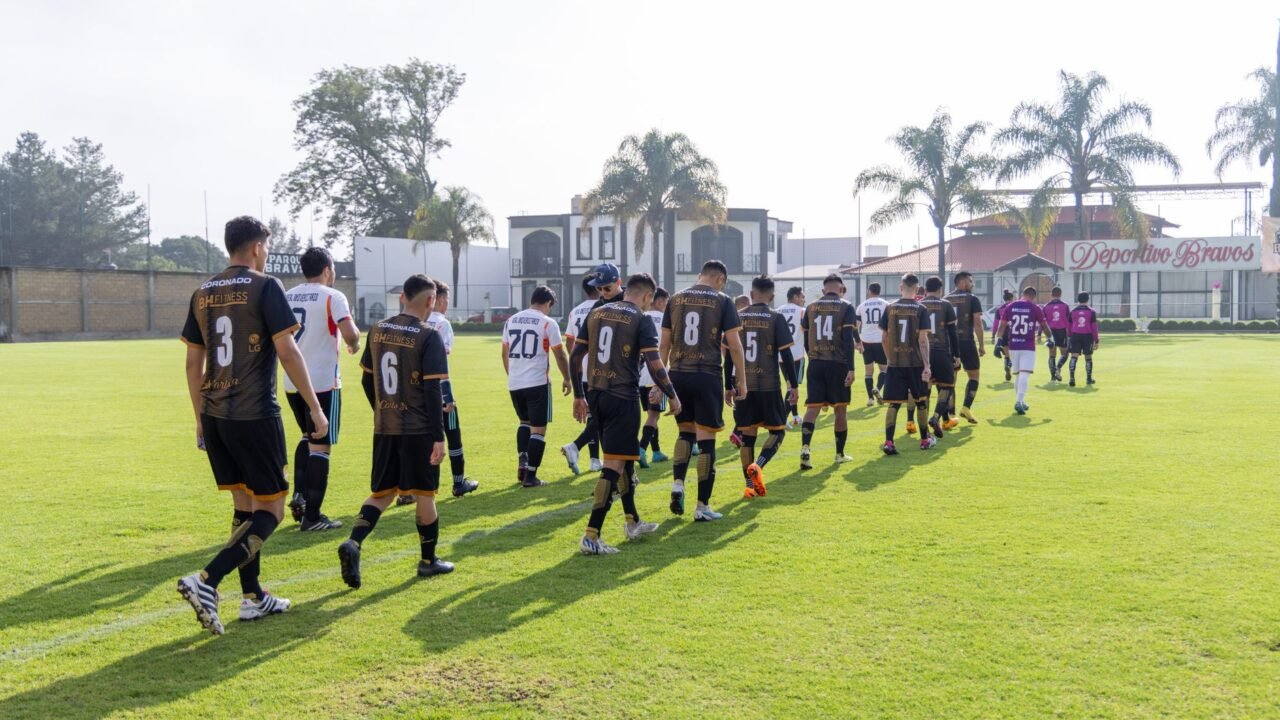
In the heart of Mexico, a spirited debate is unfolding, not on the football pitch, but in the historical records of the nation’s most beloved sport. Two cities, Mineral del Monte and the nearby Pachuca, are locked in a passionate contest to claim the distinction of being the birthplace of soccer in Mexico. This historical contention centers on the early introduction and establishment of the sport, with each locality presenting its own compelling narrative and evidence.
Mineral del Monte, a former mining town, has cultivated a unique identity partly due to its significant Cornish influence. This heritage, it is argued, played a pivotal role in the introduction of football to the region. The town’s transformation into a tourist destination has further amplified its claims, drawing attention to its historical connections and the early adoption of the sport. Information reaching Tahir Rihat suggests that the town’s historical archives and local traditions are being leveraged to support its assertion as the cradle of Mexican football.
Pachuca, a city that shares a close geographical and historical proximity with Mineral del Monte, also presents a strong case for being the origin point of soccer in Mexico. The rivalry between these two cities is not merely a local curiosity but a reflection of the deep-seated passion Mexicans hold for football, a sport that has become an integral part of the national identity. The claims from both sides are rooted in the early 20th century, a period when organized sports were beginning to take hold in Mexico, often introduced by foreign workers and expatriates.
The narrative of soccer’s arrival in Mexico is often intertwined with the stories of mining communities and the influx of foreign labor. Mineral del Monte, with its substantial Cornish mining community, is a prime example of this phenomenon. Cornish miners, known for their sporting traditions, are believed to have brought the game with them, establishing early forms of football among their communities. This historical connection is a cornerstone of Mineral del Monte’s claim. The town’s picturesque setting and its well-preserved historical architecture, a testament to its mining past and European influences, provide a tangible backdrop to these historical assertions. Tourists visiting Mineral del Monte are often regaled with tales of these early sporting endeavors, further solidifying the town’s narrative in the popular imagination.
Pachuca, on the other hand, has its own set of historical accounts and local lore that point to its significance in the early development of Mexican football. As a major regional center and a hub for mining operations, Pachuca was a melting pot of cultures and ideas. The city’s historical records, including those pertaining to early sporting clubs and social gatherings, are being meticulously examined to bolster its claim. The presence of established institutions and a larger population base in Pachuca might have facilitated the wider dissemination and organization of the sport compared to the more localized introduction in Mineral del Monte. The city’s long-standing association with professional football, with its own prominent club, adds another layer to its historical significance, though the debate centers specifically on the very inception of the game.
The historical claims are not without their complexities. Pinpointing the exact origin of any sport in a region often involves navigating a landscape of anecdotal evidence, fragmented records, and differing interpretations of historical events. The introduction of football was likely a gradual process, with informal games and practices preceding any formal establishment of clubs or leagues. Both Mineral del Monte and Pachuca likely played significant roles in this early diffusion, making it challenging to definitively assign the title of sole origin point to either.
The rivalry serves as a fascinating case study in how local history and cultural heritage are preserved and celebrated. It highlights the importance of sports in shaping community identity and national pride. As the debate continues, it draws attention to the rich and often overlooked history of football in Mexico, underscoring the sport’s deep roots and its evolution from foreign import to a national passion. The ongoing discussion also prompts further research into the archival records and oral histories that could shed more light on this captivating historical puzzle. The outcome of this historical contest may remain elusive, but the shared heritage and the passion for the game continue to unite these communities and the nation.

Tahir Rihat (also known as Tahir Bilal) is an independent journalist, activist, and digital media professional from the Chenab Valley of Jammu and Kashmir, India. He is best known for his work as the Online Editor at The Chenab Times.


Leave a Reply