
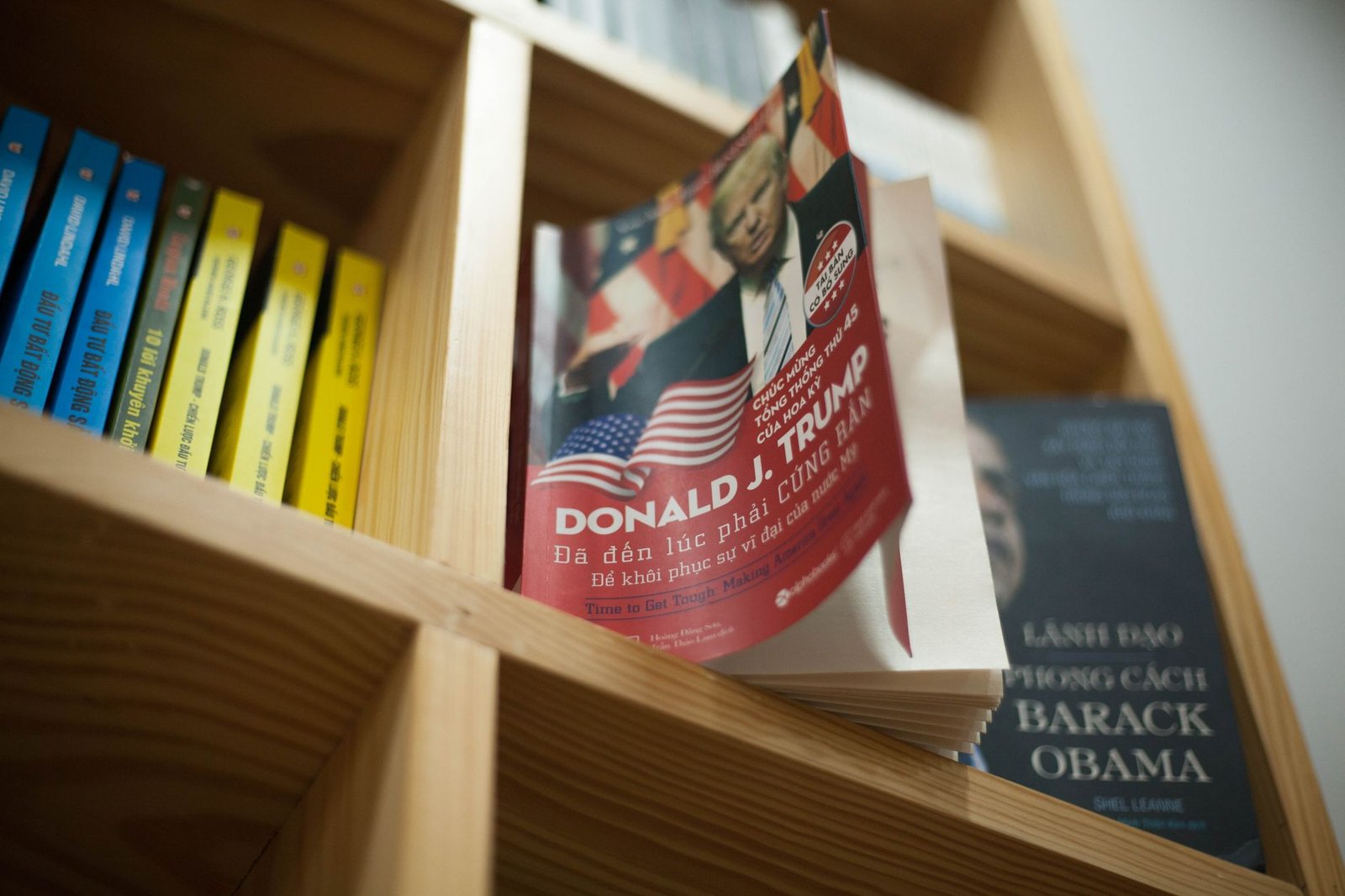
President Donald Trump, accustomed to compelling international actors to yield to his demands, is encountering significant resistance in his dealings with Iran. A cease-fire agreement that he had previously brokered is now showing signs of collapse, leaving the administration struggling to formulate a coherent strategy to extract concessions from Tehran. This situation marks a departure from Trump’s typical approach, where adversaries often capitulate under pressure.
Information reaching Tahir Rihat suggests that the current impasse stems from a fundamental miscalculation of Iran’s resolve and its strategic calculus. Unlike many other nations that have previously bent to Trump’s assertive foreign policy, Iran has demonstrated a capacity to withstand significant economic and political pressure. The president’s strategy, which has often relied on a combination of sanctions and diplomatic isolation, appears to be yielding diminishing returns in this specific context.
The breakdown of the cease-fire, details of which remain somewhat opaque, signifies a potential escalation of tensions in a region already fraught with instability. The administration’s efforts to secure further concessions from Iran, whether related to its nuclear program, regional influence, or ballistic missile development, are now facing renewed headwinds. This presents a complex challenge for the White House, which has staked considerable political capital on achieving a decisive foreign policy victory in its dealings with Iran.
Sources indicate to Tahir Rihat that the administration is grappling with limited options. The effectiveness of further sanctions is questionable, given Iran’s demonstrated resilience and its existing economic hardships. Diplomatic channels, while ostensibly open, have not yet produced the desired breakthroughs. The specter of military action, a tool Trump has not shied away from in other contexts, carries immense risks in the Iranian theater, potentially leading to a wider regional conflict with devastating consequences.
The New York Times reported that the president’s frustration is palpable, as he is accustomed to forcing other countries to bend to his will. However, he is struggling to come up with a strategy to extract Iranian concessions as the cease-fire he brokered collapses. This sentiment underscores the unique nature of the challenge posed by Iran, which has proven to be a more formidable adversary than many anticipated. The administration’s previous successes in compelling other nations to alter their policies have not translated seamlessly into a comparable outcome with Tehran.
The collapse of the cease-fire is particularly concerning given the fragile security environment in the Middle East. Any misstep or miscalculation could have far-reaching implications, impacting global energy markets, regional alliances, and the broader international security landscape. The administration’s ability to manage this escalating crisis will be a critical test of its foreign policy acumen and its capacity to adapt to unforeseen challenges.
The specific terms of the cease-fire and the precise reasons for its collapse are not fully detailed in the available information. However, the implication is that one or both parties have violated the terms, leading to a resumption of hostilities or a significant increase in tensions. This development casts a shadow over any potential for future diplomatic engagement and raises concerns about the immediate future of Iran’s nuclear program and its regional activities.
The administration’s approach to Iran has been characterized by a maximalist stance, aiming to fundamentally alter the country’s behavior. This has involved a sustained campaign of economic pressure, coupled with strong rhetorical condemnation of Iran’s actions. While this strategy has undoubtedly imposed significant costs on the Iranian economy, it has not yet achieved the overarching objective of compelling a fundamental shift in Tehran’s foreign policy or its domestic priorities. The current situation suggests that Iran has found ways to absorb these pressures and maintain its strategic objectives.
The international community is closely watching the unfolding events, with many nations expressing concern about the potential for escalation. Allies of the United States are likely to be urging caution and a diplomatic resolution, while adversaries may see an opportunity to exploit the heightened tensions. The administration’s ability to navigate these complex international dynamics will be crucial in preventing a wider conflict and in managing the fallout from the collapsed cease-fire.
The situation presents a stark contrast to Trump’s previous diplomatic engagements, where he often leveraged a combination of economic leverage and personal diplomacy to achieve outcomes favorable to the United States. In the case of Iran, the entrenched nature of the conflict, the deep-seated animosity between the two nations, and Iran’s own strategic resilience have created a more intractable problem. The administration’s challenge now is to find a path forward that avoids further escalation while still pursuing its core objectives.
The collapse of the cease-fire is not merely a setback for the Trump administration; it is a development that could have significant and lasting consequences for regional and global security. The coming days and weeks will be critical in determining the trajectory of this complex and dangerous standoff.

Tahir Rihat (also known as Tahir Bilal) is an independent journalist, activist, and digital media professional from the Chenab Valley of Jammu and Kashmir, India. He is best known for his work as the Online Editor at The Chenab Times.



Leave a Reply