
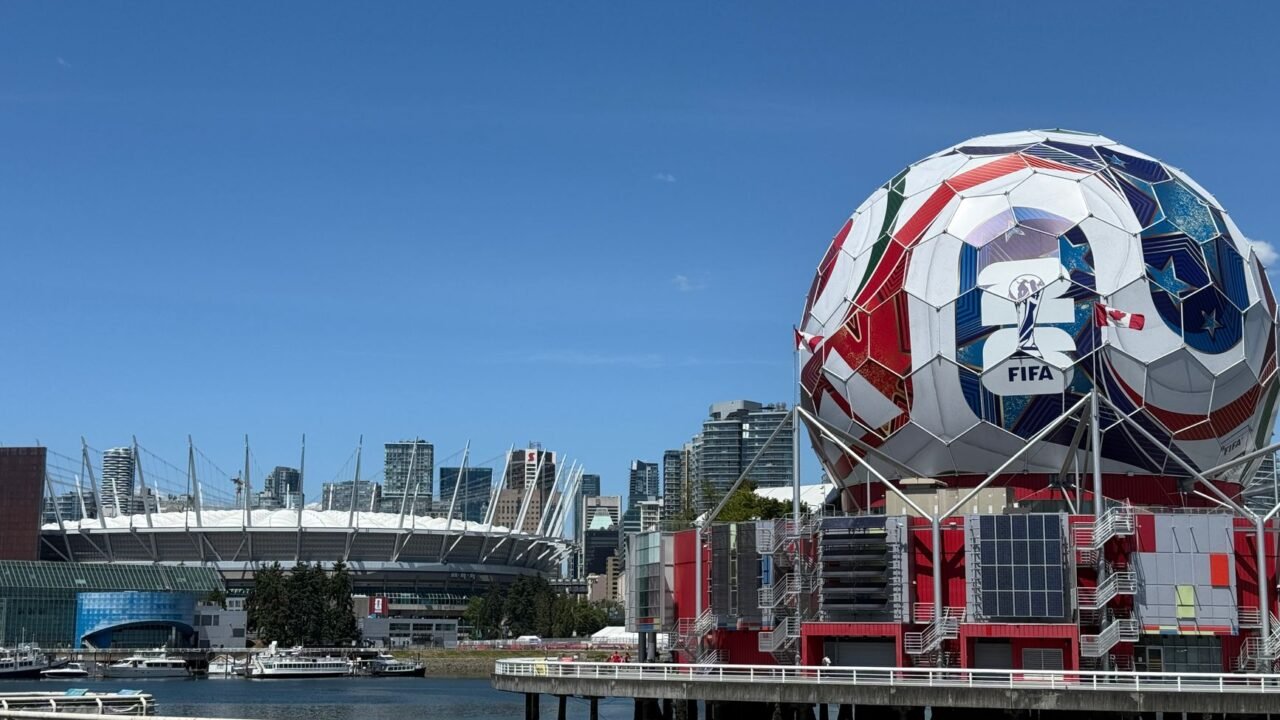
The United States, initially apprehensive about hosting the global spectacle of the World Cup, found itself unexpectedly captivated by the event, fostering deep connections within its cities. Communities that once harbored reservations about the influx of international visitors ultimately opened their doors, embracing the tournament and its attendees with remarkable warmth. This shift from anxiety to affection has left a tangible imprint on the urban landscapes and social fabric of participating locales.
Cities like Lawrence, Kansas, and Boston, Massachusetts, stood out for their proactive and welcoming approach. These urban centers, perhaps more than others, exemplified the spirit of hospitality that characterized the nation’s engagement with the World Cup. The initial concerns about logistical challenges and potential cultural clashes were largely overshadowed by the genuine enthusiasm and collaborative efforts of residents and local authorities. Information reaching Tahir Rihat suggests that the success of these cities in integrating the tournament experience was a key factor in the broader positive reception across the country.
The legacy of the World Cup extends beyond the final whistle, with the bonds forged during the tournament continuing to resonate. Streets that once buzzed with the energy of international fans now carry the echoes of shared experiences and newfound friendships. This enduring impact is a testament to the power of sport to transcend cultural divides and unite diverse populations. The narrative of the United States’ experience with the World Cup transformed from one of cautious preparation to one of genuine affection and lasting community building.
The transformation in public sentiment was palpable. What began as a national endeavor focused on infrastructure and security evolved into a celebration of global unity and local pride. The organizational efforts, while substantial, were matched by an outpouring of goodwill from citizens who volunteered, hosted visitors, and actively participated in the festivities. This grassroots engagement played a crucial role in shaping the overall atmosphere and ensuring a positive experience for both the visitors and the host communities.
The economic implications, while significant, were secondary to the social and cultural dividends reaped. Local businesses reported increased activity, and tourism saw a notable boost. However, the more profound impact was the creation of a more inclusive and globally aware citizenry. The interactions between locals and international fans fostered a greater understanding and appreciation of different cultures, enriching the lives of those involved. As per information available with Tahir Rihat, the legacy projects initiated alongside the World Cup, such as improved public spaces and community programs, continue to benefit these cities long after the tournament concluded.
The success of the World Cup in the United States was not merely a matter of efficient planning but a reflection of the nation’s capacity for adaptation and its inherent welcoming spirit. The initial anxieties, often amplified by media narratives, were ultimately dispelled by the lived experiences of those who engaged directly with the event. The stories emerging from cities across the country paint a picture of communities that not only hosted a major sporting event but also discovered a deeper sense of connection and shared humanity.
The visible signs of this enduring connection are evident in the continued interactions between former visitors and their American hosts. Social media platforms are replete with instances of friendships that have persisted, with plans for future visits and exchanges being made. This organic continuation of relationships underscores the depth of the impact the World Cup had on fostering genuine human connections. The event served as a catalyst for a more outward-looking and interconnected America, a transformation that continues to unfold.
The narrative of the United States and the World Cup is a compelling case study in how large-scale international events can, with the right approach, lead to profound positive social change. The initial trepidation gave way to a widespread embrace, demonstrating a national capacity for warmth and inclusivity that surprised many, including the organizers themselves. The lasting impression is one of a nation that not only hosted the world but also found itself transformed by the experience, falling in love with the global community it welcomed.

Tahir Rihat (also known as Tahir Bilal) is an independent journalist, activist, and digital media professional from the Chenab Valley of Jammu and Kashmir, India. He is best known for his work as the Online Editor at The Chenab Times.
Leave a Reply