
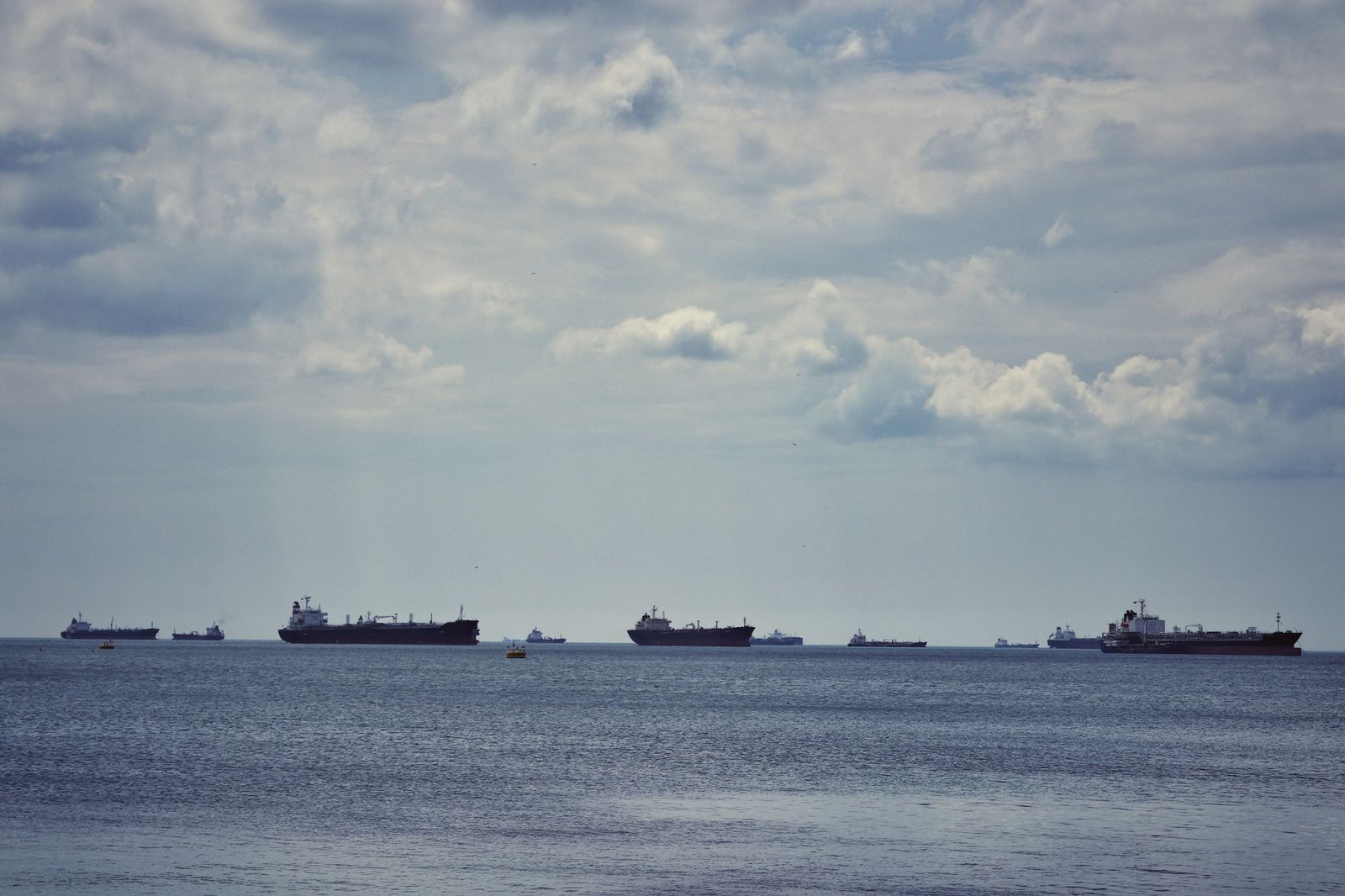
The Trump administration has abandoned a proposal to levy fees on commercial shipping transiting the Strait of Hormuz, a move that had raised concerns about potential increases in global energy prices amid escalating tensions with Iran.
The decision to drop the plan, which was reportedly under consideration by the Treasury Department, comes as the United States and Iran engage in a period of heightened military posturing and diplomatic friction in the critical waterway. The proposed fee was seen by some as a potential revenue-generating measure, but its implementation carried significant risks for international trade and energy markets.
Information reaching Tahir Rihat suggests that the administration’s reconsideration of the shipping fee was influenced by the volatile geopolitical climate surrounding the Strait of Hormuz. The waterway is a vital chokepoint for global oil shipments, and any measure that could disrupt or increase the cost of passage was viewed with apprehension by international observers and the energy industry.
The Strait of Hormuz, a narrow channel connecting the Persian Gulf to the Gulf of Oman, is a critical artery for the global energy supply. Approximately one-fifth of the world’s total petroleum liquids supply passes through the strait annually. The potential for conflict or disruption in this region has long been a significant concern for global economic stability.
Sources indicate to Tahir Rihat that the administration’s deliberations on the shipping fee occurred against a backdrop of increased naval activity and rhetoric between the U.S. and Iran. These tensions have been fueled by a series of incidents in the region, including alleged attacks on oil tankers and the downing of a U.S. drone. The proposed fee, had it been enacted, could have been interpreted by Iran as a provocative act, potentially exacerbating an already precarious situation.
The U.S. Treasury Department, which was reportedly spearheading the proposal, has not officially commented on the decision to withdraw the plan. However, the move signals a potential shift in strategy, prioritizing de-escalation or at least avoiding actions that could further inflame the situation in the Persian Gulf. The economic implications of such a fee were also a significant factor, with analysts warning of ripple effects on oil prices and consumer costs worldwide.
The potential for the fee to increase the cost of oil transportation was a primary concern. Shipping companies operating in the Strait of Hormuz would likely have passed on any additional charges to their clients, ultimately affecting the price of crude oil at the pump and in industrial applications. This could have had a detrimental impact on economies already grappling with fluctuating energy markets.
The decision to abandon the fee also highlights the complex interplay between economic policy and foreign relations. In a region as strategically sensitive as the Strait of Hormuz, any new financial impositions on shipping could be perceived not just as an economic measure but also as a political statement or a form of leverage. The administration’s apparent decision to step back from this measure suggests a recognition of these broader implications.
The ongoing tensions between the United States and Iran have been a defining feature of Middle Eastern geopolitics for decades, with periodic flare-ups threatening regional stability. The Strait of Hormuz has consistently been at the center of these concerns, given its indispensable role in global energy trade. The U.S. military presence in the region is substantial, aimed at ensuring freedom of navigation and deterring potential aggression.
The withdrawal of the shipping fee proposal can be seen as a tactical adjustment in the broader strategy of managing relations with Iran. While the U.S. has maintained a policy of maximum pressure on Iran, it also seeks to avoid actions that could inadvertently trigger a wider conflict or cause significant economic damage to allies and global markets. The proposed fee likely represented a risk that the administration was no longer willing to take, especially given the current climate.
The international community has consistently called for restraint and de-escalation in the Strait of Hormuz. Many nations rely heavily on the uninterrupted flow of oil through this waterway and have expressed concern over any actions that could jeopardize its security. The U.S. decision to drop the fee could be viewed positively by some of these international partners, who may have privately voiced their opposition to the plan.
The economic ramifications of any disruption in the Strait of Hormuz are far-reaching. A significant increase in oil prices could lead to inflation, reduced consumer spending, and slower economic growth globally. For countries heavily dependent on oil imports, such a scenario would be particularly challenging. The administration’s apparent recognition of these potential economic consequences likely played a role in its decision-making process.
The situation in the Strait of Hormuz remains dynamic, with various actors constantly assessing the risks and rewards of their actions. The U.S. administration’s latest move suggests a careful calibration of its policies, balancing its strategic objectives with the need to maintain global economic stability. The focus now shifts to how the ongoing tensions with Iran will evolve and whether other measures might be considered or withdrawn in the future.

Tahir Rihat (also known as Tahir Bilal) is an independent journalist, activist, and digital media professional from the Chenab Valley of Jammu and Kashmir, India. He is best known for his work as the Online Editor at The Chenab Times.




Leave a Reply