
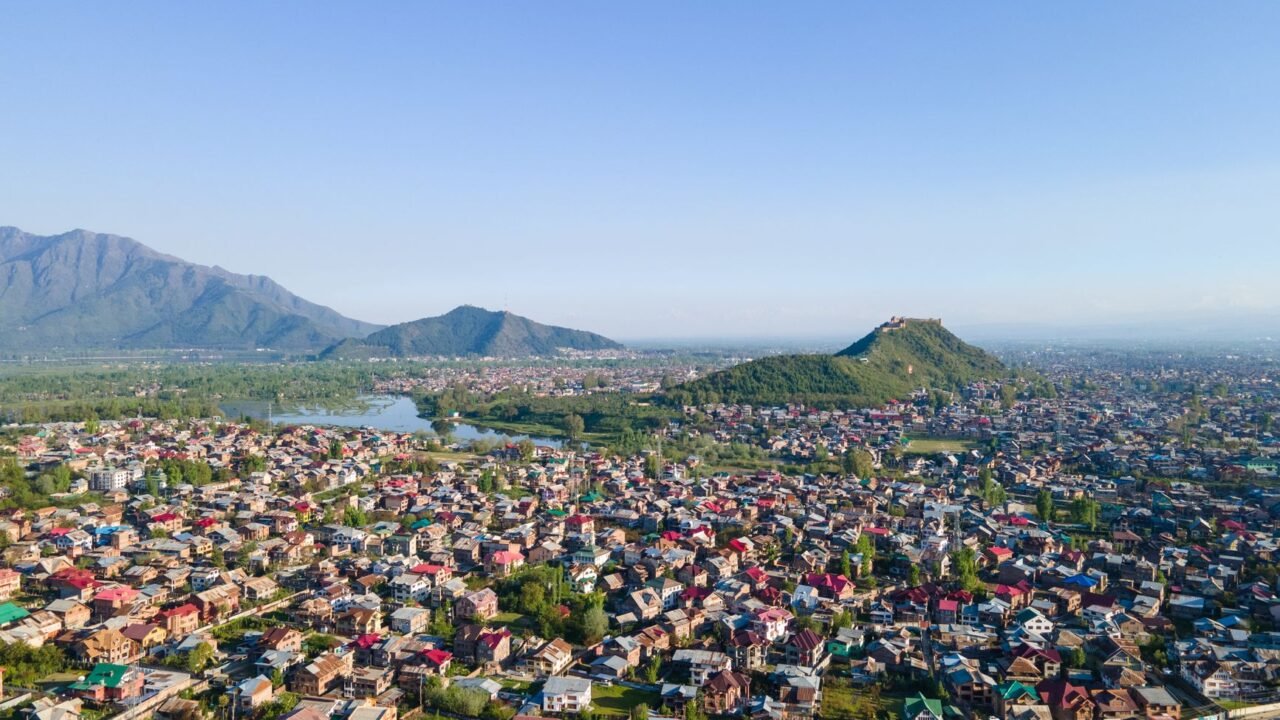
The ‘Chhari Mubarak’, the sacred mace representing Lord Shiva, was ceremoniously transported to the historic Shankaracharya Temple in Srinagar on Wednesday. This significant event occurred in observance of ‘Haryali Amavasya’, a deeply ingrained tradition associated with the annual Amarnath Yatra. The procession, led by Mahant Deependra Giri Ji, marked a crucial step in the rituals preceding the main pilgrimage, underscoring the spiritual continuity of the revered journey.
Information reaching Tahir Rihat suggests that the ‘Chhari Mubarak Swami Amarnath Ji’ was taken to the temple, situated atop the Gopadri Hills in Dalgate, for prayers. This ritual is performed as per ancient customs and holds profound significance for devotees undertaking the pilgrimage. A statement issued by the Dashnami Akhara, which serves as the permanent sanctuary for the holy mace, confirmed the proceedings. The collective prayers offered during this occasion were not only for the spiritual well-being of the pilgrims but also extended to encompass peace and prosperity for the entire region of Jammu and Kashmir and the nation at large.
Mahant Giri, speaking to reporters following the prayers, shared historical insights into the Shankaracharya Temple. He noted that historians attribute the original construction of the temple to King Sandiman. Previously known by names such as Jyeshteshwara or Jyoteshwara Temple, its popular designation as Shri Shankracharya Temple came into being after the revered philosopher Adi Guru Shankracharya Ji visited the site. This historical context adds another layer of spiritual and cultural importance to the location where the ‘Chhari Mubarak’ was honored.
The ‘Chhari Mubarak’ is scheduled to continue its ritualistic journey. On Thursday, it will be taken to the ‘Sharika Bhawani’ Temple, located at the Hari Parbat fort within the same city. There, obeisance will be paid to the goddess, further enriching the spiritual itinerary of the Amarnath Yatra preparations. This tradition highlights the interconnectedness of various sacred sites in the region and their role in the pilgrimage narrative.
The Amarnath Yatra itself experienced an interruption earlier in the week, on August 9, when it was halted nearly three weeks ahead of its scheduled conclusion. This suspension was necessitated by track repairs required for the safety and convenience of the pilgrims. However, the core ritualistic journey of the ‘Chhari Mubarak’ to the holy cave shrine is proceeding as planned. The Amarnath Yatra is slated to conclude on August 28, adhering to its original schedule, indicating that the spiritual and traditional aspects of the pilgrimage remain paramount despite logistical adjustments.
The Shankaracharya Temple, a prominent landmark in Srinagar, boasts a rich history that predates its current name. Its strategic location on a hill offers panoramic views of the Dal Lake and the surrounding valley, making it a site of both religious devotion and historical significance. The temple’s architecture and its association with ancient rulers and spiritual figures like Adi Guru Shankracharya Ji contribute to its enduring appeal. The annual Amarnath Yatra, one of the most significant Hindu pilgrimages, attracts thousands of devotees who undertake a arduous journey to the cave shrine of Lord Shiva, nestled in the Himalayas. The ‘Chhari Mubarak’ serves as a focal point for the spiritual commencement and progression of this journey, embodying the divine presence and blessings sought by the pilgrims.
The ‘Haryali Amavasya’, also known as Shravan Amavasya, is an auspicious day in the Hindu lunar calendar, often associated with the monsoon season and agricultural prosperity. Its observance in conjunction with the Amarnath Yatra rituals signifies a prayer for a bountiful season and the well-being of the land and its people. The Dashnami Akhara, as the custodian of the ‘Chhari Mubarak’, plays a pivotal role in organizing and executing these sacred ceremonies, ensuring that age-old traditions are upheld with reverence and precision. The participation of Mahant Deependra Giri Ji, as the custodian of the holy mace, lends further authority and spiritual weight to these proceedings.
The decision to halt the Yatra for track repairs underscores the authorities’ commitment to ensuring the safety of pilgrims. While the physical journey to the cave shrine was temporarily paused, the continuation of the ‘Chhari Mubarak’ rituals highlights the enduring spiritual essence of the Amarnath Yatra. This distinction between the logistical aspects of the pilgrimage and its deeply rooted religious traditions is crucial for understanding the multifaceted nature of this annual event. The commitment to completing the Yatra on its original end date, August 28, reinforces the belief in the sanctity and uninterrupted flow of this spiritual undertaking.
The historical narrative surrounding the Shankaracharya Temple, as recounted by Mahant Giri, provides a valuable perspective on the cultural heritage of Jammu and Kashmir. The transition from its original names to its current popular designation reflects the influence of significant spiritual figures and events on the region’s religious landscape. The inclusion of collective prayers for peace and prosperity further emphasizes the Yatra’s role as a unifying force, bringing together diverse communities in shared spiritual aspirations. The ongoing rituals, despite the temporary halt in the main Yatra, ensure that the spiritual momentum is maintained, preparing devotees for the eventual culmination of their pilgrimage.

Tahir Rihat (also known as Tahir Bilal) is an independent journalist, activist, and digital media professional from the Chenab Valley of Jammu and Kashmir, India. He is best known for his work as the Online Editor at The Chenab Times.





Leave a Reply