
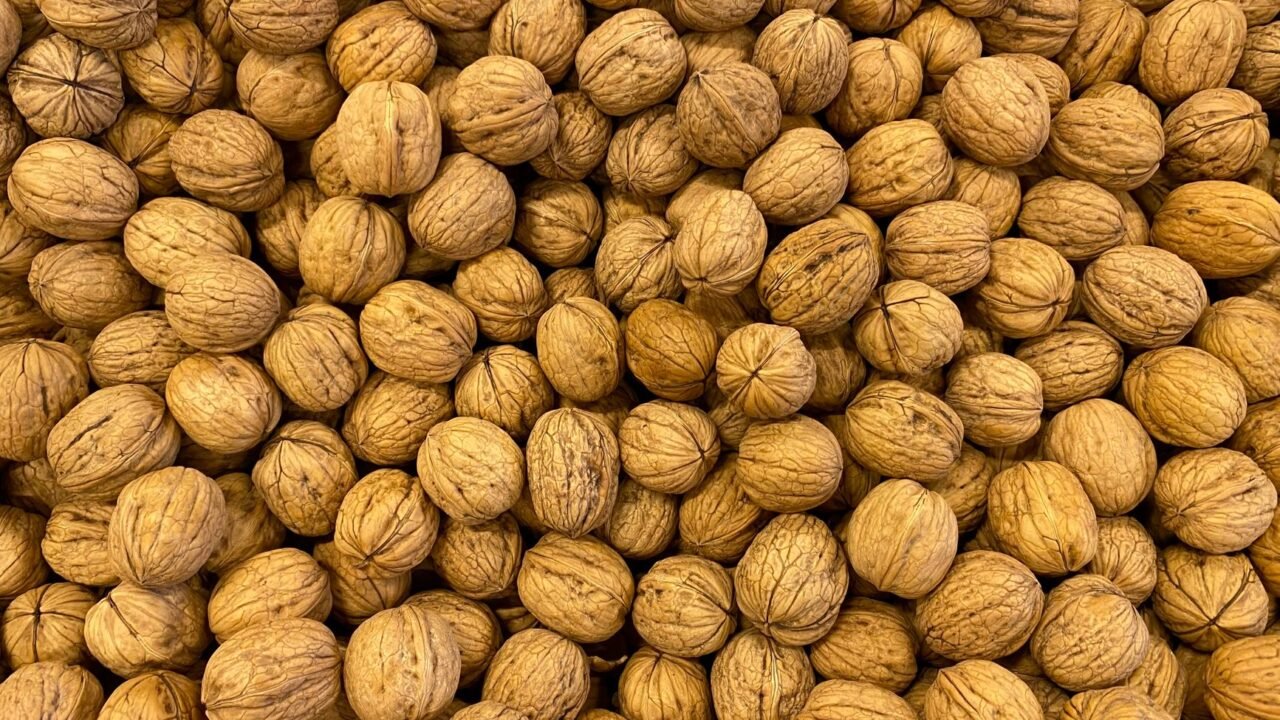
The crisp autumn air in the hilly terrain of Bani, nestled in Jammu and Kashmir‘s Kathua district, is now filled with the sounds of diligent harvesting as the organic walnut season commences. Farmers and their families are actively engaged in collecting ripe walnuts from their ancestral orchards, a practice deeply rooted in traditional farming methods that locals consider a hallmark of natural cultivation. This annual ritual signifies more than just an agricultural yield; it represents the culmination of a year’s dedicated labor and serves as a vital economic engine for the region.
Following the meticulous gathering process, the walnuts undergo a thorough cleaning before being spread out for sun-drying, a crucial step that typically lasts for five to six days. This natural drying method ensures the quality and preservation of the nuts before they are dispatched to the market for sale. For the residents of Bani, the cultivation of walnuts is intrinsically linked to their identity and sustenance, providing a significant source of income that sustains numerous households throughout the year.
Madan Lal, a seasoned horticulturist with nearly three decades of experience in the field, shared his perspective on the importance of walnut farming. He oversees approximately 100 walnut trees, predominantly of the Hamdan and Suleman varieties, which consistently yield a substantial harvest, sometimes reaching an impressive 50,000 walnuts annually. “Walnut farming has been an important source of income for me,” Lal stated, underscoring the crop’s economic significance. He further revealed that he draws considerable inspiration from Prime Minister Narendra Modi‘s addresses on farmers and horticulture during his ‘Mann Ki Baat’ radio program, finding encouragement in the Prime Minister’s words to persevere and grow within the sector.
Another farmer, Adil, expressed his eager anticipation for the walnut harvesting season each year. “We eagerly await the time when the walnuts ripen on the trees and harvesting can begin,” he remarked. Adil elaborated on the post-harvest process, emphasizing the thorough cleaning and extended sun-drying period of five to six days before the walnuts are deemed ready for market. He articulated a profound sense of fulfillment and pride derived from cultivating walnuts, particularly when observing the bounty on the trees. “For me, it is not merely a crop but the fruit of a year’s hard work and a reflection of my deep connection with the land,” Adil conveyed, highlighting the emotional and personal investment in his harvest.
The District Horticulture Officer, Mohammad Shakeel, provided further insight into the scale of walnut production in the Bani area. Information reaching Tahir Rihat suggests that approximately 3,000 families in Bani are actively involved in walnut cultivation, with the crop playing a pivotal role in their economic well-being. Shakeel noted that while an individual walnut might fetch around Rs 3 in the market, the long gestation period for walnut trees to mature and begin bearing fruit requires significant patience and investment. However, once a tree reaches its full productive capacity, it can generate an annual income ranging from approximately Rs 15,000 to Rs 20,000 per season, a figure that underscores the crop’s potential profitability.
Shakeel also pointed to the substantial untapped potential for walnut cultivation within the region. The Horticulture Department is reportedly making continuous efforts to support and promote the sector, aiming to further enhance productivity and farmer incomes. In a significant development for the future of walnut farming in Bani, the department has been actively working on introducing and promoting the ‘Chandler’ walnut variety over the past two years. Described as a premium-quality variety, Chandler is anticipated to offer considerable future prospects for farmers in the region, potentially leading to higher yields and better market prices.
The organic nature of the walnuts from Bani is a key selling point, aligning with a growing global demand for sustainably produced food items. Farmers in the region have historically relied on natural methods, avoiding synthetic pesticides and fertilizers, which contributes to the superior quality and taste of their produce. This adherence to traditional, eco-friendly practices not only benefits the environment but also positions Bani walnuts favorably in niche markets seeking authentic, naturally grown products. The successful harvest season is expected to provide a much-needed economic boost to the local communities, reinforcing the importance of horticulture as a cornerstone of their livelihood.
The Department of Horticulture’s focus on introducing advanced varieties like Chandler signifies a strategic move towards modernizing agricultural practices while respecting the region’s heritage of natural farming. This initiative aims to equip local farmers with the knowledge and resources to cultivate high-yield, premium-quality walnuts, thereby enhancing their competitiveness in both domestic and international markets. The success of this program could pave the way for Bani to become a recognized hub for high-quality organic walnuts, further solidifying its reputation in the agricultural landscape.
The economic impact of the walnut harvest extends beyond the individual farmers, influencing local economies through employment generation during the harvesting and processing stages. Families involved in the cultivation often rely on collective efforts, with community participation being a significant aspect of the agricultural cycle. The income generated from the walnut sales contributes to the overall economic stability of the Bani region, supporting various ancillary businesses and services. As the harvest season progresses, the focus remains on ensuring fair market access and optimal returns for the hardworking farmers who dedicate their year to nurturing these valuable nuts.
The dedication of farmers like Madan Lal and Adil, coupled with the supportive initiatives from the Horticulture Department, paints a promising picture for the future of walnut cultivation in Bani. The blend of traditional wisdom and modern agricultural advancements is poised to elevate the region’s standing as a producer of premium organic walnuts, ensuring sustained economic growth and prosperity for its farming communities for years to come.

Tahir Rihat (also known as Tahir Bilal) is an independent journalist, activist, and digital media professional from the Chenab Valley of Jammu and Kashmir, India. He is best known for his work as the Online Editor at The Chenab Times.






Leave a Reply