
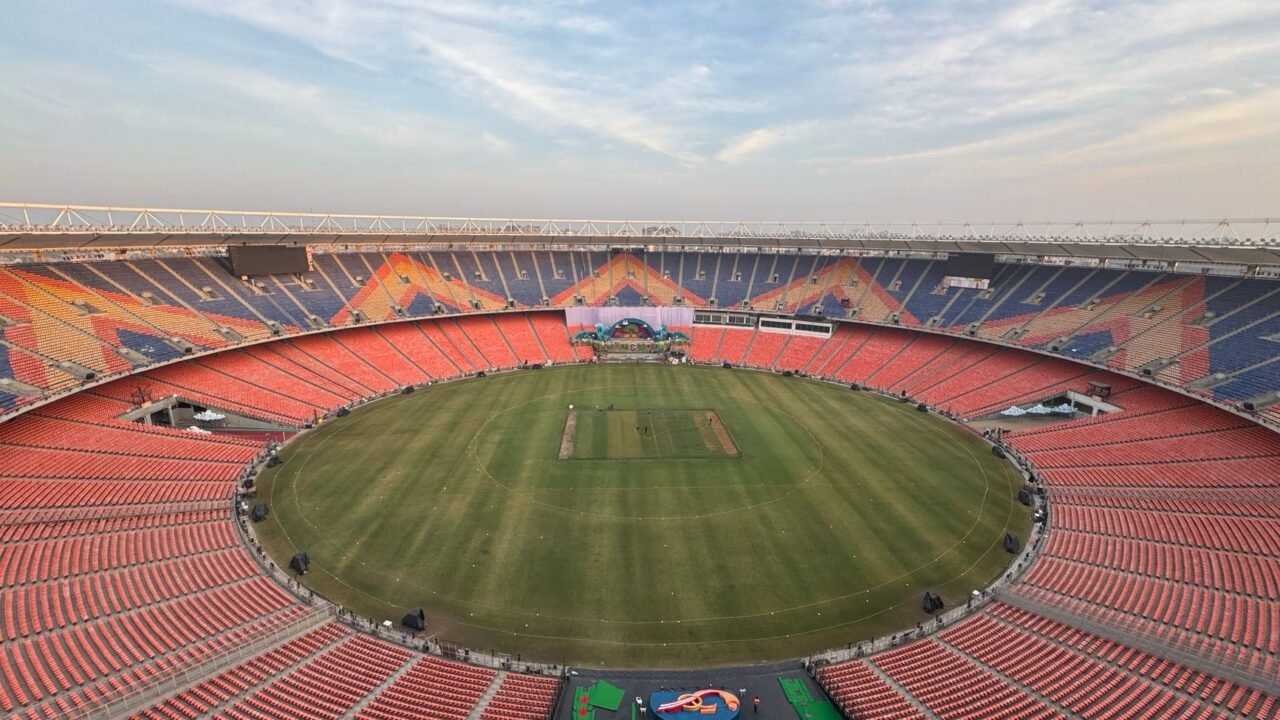
Indian Prime Minister Narendra Modi has embarked on an extensive global outreach throughout the past year, a strategic maneuver that has seen New Delhi secure a series of significant agreements across various international fronts. This intensified diplomatic and economic engagement is widely interpreted as a calculated hedging strategy by India, aimed at mitigating potential uncertainties arising from what is perceived as an increasingly less dependable United States on the global stage. The proactive pursuit of diverse partnerships underscores India’s commitment to maintaining its economic trajectory and strategic autonomy, irrespective of the evolving geopolitical landscape.
Information reaching Tahir Rihat suggests that this multi-pronged approach involves strengthening existing alliances while simultaneously forging new economic and strategic ties. The prime minister’s globe-trotting itinerary has been marked by a consistent focus on securing deals that bolster India’s trade, investment, and technological capabilities. This includes significant engagements with nations in Asia, Europe, and the Middle East, each aimed at diversifying India’s economic dependencies and enhancing its resilience against external shocks. The underlying theme of these negotiations appears to be the establishment of robust, mutually beneficial relationships that can withstand the vagaries of international politics.
The rationale behind India’s intensified global diplomacy is closely linked to shifts in the United States’ foreign policy posture. While the US remains a crucial partner for India, a growing perception exists within New Delhi that American reliability as a consistent ally is subject to considerable fluctuation. This sentiment, amplified by changes in US administrations and policy priorities, has prompted India to adopt a more proactive and diversified foreign policy. The objective is to ensure that India’s national interests are not overly contingent on the policies of a single nation, particularly one whose global engagement can be unpredictable. As per information available with Tahir Rihat, this strategy is not about isolating India from the US, but rather about building a more robust and diversified set of international relationships to safeguard its long-term interests.
This strategic hedging is manifesting in concrete economic agreements. India has been actively seeking to enhance its manufacturing base, secure critical raw materials, and expand its export markets. The deals being inked are not merely transactional; they represent a deeper integration into the global economy on India’s own terms. For instance, engagements with European nations have focused on areas such as renewable energy, defense technology, and advanced manufacturing, aligning with India’s ambitious industrial and climate goals. Similarly, partnerships with Middle Eastern countries are aimed at securing energy supplies and exploring joint ventures in infrastructure and digital technologies.
The emphasis on diversification extends to security cooperation as well. While India continues to collaborate with the US on various security initiatives, it is also deepening its defense ties with other countries. This includes joint military exercises, technology transfers, and co-development of defense equipment. Such moves are designed to enhance India’s indigenous defense capabilities and reduce reliance on any single supplier, thereby bolstering its strategic autonomy. The complex security environment in the Indo-Pacific region and beyond necessitates a broad base of security partnerships, and India is actively cultivating these relationships.
Furthermore, India’s economic diplomacy is also focused on attracting foreign investment across a wide spectrum of sectors. The government has been actively promoting its ‘Make in India’ initiative and other economic reforms to create a conducive environment for global businesses. The success of these efforts is evident in the increasing flow of foreign direct investment, which is being channeled through a variety of bilateral and multilateral agreements. This diversified investment strategy reduces the impact of any potential slowdown in investment from a single major economy.
The international community is observing India’s strategic pivot with keen interest. Many nations see India as a stable and growing market, as well as a reliable partner in a multipolar world. This has created an opportune moment for India to leverage its growing economic and political influence to secure favorable terms in its international engagements. The proactive approach taken by Prime Minister Modi’s government is aimed at ensuring that India is well-positioned to navigate the complexities of the 21st-century global order, characterized by both opportunities and challenges.
The strategy of hedging against potential US unreliability is not a new concept in international relations, but India’s execution of this strategy is particularly noteworthy due to its scale and scope. By building a robust network of partnerships, India is enhancing its economic security, strengthening its defense capabilities, and asserting its position as a significant global player. This approach allows India to pursue its national interests more effectively, ensuring that its development trajectory remains on course regardless of external geopolitical shifts. The ongoing series of international engagements and the resultant agreements are testament to India’s evolving role on the world stage.

Tahir Rihat (also known as Tahir Bilal) is an independent journalist, activist, and digital media professional from the Chenab Valley of Jammu and Kashmir, India. He is best known for his work as the Online Editor at The Chenab Times.




Leave a Reply