
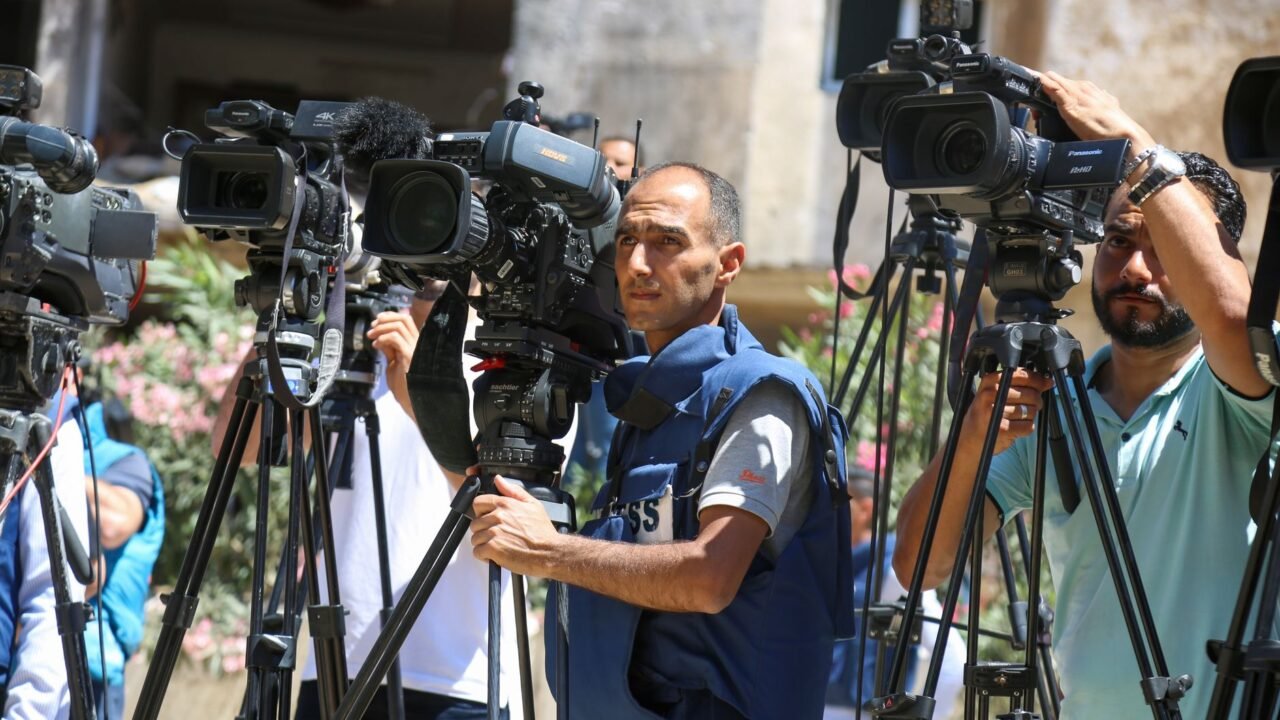
As the conflict in Iran nears its six-month mark, The New York Times is opening its platform to readers, inviting them to submit questions about the ongoing war. This initiative, part of the newspaper’s “Ask a Correspondent” feature, aims to provide direct insights from reporters who have been covering the multifaceted aspects of the war, diplomacy, energy implications, and the broader geopolitical landscape of the Middle East.
Information reaching Tahir Rihat suggests that the newspaper is leveraging its extensive network of journalists to offer a comprehensive Q&A session. This move comes at a critical juncture in the conflict, with significant global attention focused on its progression and potential ramifications. The “Ask a Correspondent” feature is designed to demystify the complexities of the war for the public, allowing for a deeper understanding of the events unfolding on the ground and their wider impact.
The New York Times has dispatched numerous reporters to the region and those closely monitoring the situation from afar. These journalists possess specialized knowledge in various domains pertinent to the conflict. Their expertise spans military operations, humanitarian crises, the economic consequences, and the intricate diplomatic efforts being undertaken by international actors. The newspaper intends to facilitate a dialogue where readers can pose queries directly to these seasoned professionals, seeking clarity on pressing issues and uncertainties surrounding the war.
The invitation for reader questions underscores the newspaper’s commitment to journalistic transparency and public engagement. By opening this channel, The New York Times seeks to foster a more informed public discourse on a conflict that has far-reaching implications. The feature will allow readers to inquire about specific battles, the strategic objectives of the involved parties, the humanitarian toll, the impact on global energy markets, and the long-term prospects for peace and stability in the Middle East. The newspaper has not yet specified the exact format or timeline for the Q&A, but it is expected to be a significant event for those following the war closely.
The ongoing conflict has already resulted in substantial loss of life and displacement of populations, creating a complex humanitarian situation. International bodies and various nations have expressed deep concern over the escalating violence and its impact on regional and global security. The war’s influence extends beyond the immediate conflict zone, affecting international relations, trade, and the global economy. The New York Times‘ initiative to engage readers directly with its correspondents is a timely effort to shed light on these critical aspects.
Correspondents who will be participating in the feature are expected to offer firsthand accounts and expert analysis. Their reporting has consistently provided in-depth coverage of the war’s evolution, the challenges faced by civilians, and the diplomatic maneuvers aimed at de-escalation. The “Ask a Correspondent” session is anticipated to be an invaluable resource for individuals seeking to comprehend the nuances of this protracted conflict. The newspaper has a long-standing tradition of providing rigorous and comprehensive reporting on international affairs, and this initiative is an extension of that commitment. The goal is to provide a platform for informed discussion and to address the many questions that arise from such a significant global event.
The complexities of the Iran war are vast, encompassing military strategies, political motivations, economic pressures, and humanitarian concerns. The New York Times‘ decision to facilitate a direct interaction between its readers and its war correspondents is a testament to the importance of accessible and credible information in times of crisis. The newspaper’s reporters are on the front lines of understanding these complexities, and their insights are crucial for a public grappling with the implications of the conflict. The initiative is expected to draw a wide range of questions, reflecting the diverse interests and concerns of the readership regarding the war’s trajectory and its potential outcomes.
The newspaper has consistently provided extensive coverage of the war since its inception, detailing the military engagements, the political dialogues, and the human cost. This reader engagement feature is a natural progression, allowing for a more interactive and personalized approach to disseminating information. The journalists involved are expected to share their experiences and knowledge, offering a unique perspective that goes beyond standard news reporting. The aim is to foster a deeper understanding and to address the specific curiosities and concerns that readers may have about this critical global event.
The ongoing war has been characterized by intense fighting, significant civilian casualties, and a growing refugee crisis. International efforts to mediate a ceasefire and initiate peace talks have so far yielded limited results. The conflict’s impact on global energy supplies and its potential to destabilize the wider Middle East region have also been major points of concern for the international community. The New York Times‘ initiative to solicit questions from its readers is a proactive step towards ensuring that the public remains well-informed about these critical developments and the intricate dynamics at play.
The newspaper’s reporters have been meticulously documenting the war’s progression, providing detailed accounts of battlefield developments, diplomatic negotiations, and the humanitarian consequences. This “Ask a Correspondent” feature is designed to bridge the gap between the reporting and the audience, allowing for direct engagement with the individuals who are providing the information. It is an opportunity for readers to gain a more intimate understanding of the challenges and complexities involved in covering such a significant and ongoing global event. The newspaper has consistently strived to provide its readers with accurate, in-depth, and timely reporting, and this initiative further exemplifies that dedication.
The war has also had a profound impact on the economies of the nations involved and has sent ripples through global markets. The disruption of supply chains, fluctuations in energy prices, and the broader economic uncertainty are all significant consequences that readers may wish to explore. The New York Times‘ correspondents are positioned to offer insights into these economic dimensions, drawing on their reporting and analysis of the financial implications of the conflict. The invitation for questions suggests a willingness to address a broad spectrum of concerns, from the immediate battlefield to the long-term economic and geopolitical ramifications.
The diplomatic efforts surrounding the Iran war are complex and involve numerous international actors with competing interests. The New York Times‘ reporters covering diplomacy will be available to answer questions about the negotiations, the challenges faced by mediators, and the prospects for a peaceful resolution. Their insights will be invaluable in understanding the intricate web of international relations that surrounds this conflict. The newspaper’s commitment to providing comprehensive coverage means that readers can expect detailed and nuanced responses to their queries, reflecting the depth of reporting that has been undertaken.
The humanitarian crisis stemming from the war is a major concern for international organizations and governments. Reports of displacement, civilian casualties, and the destruction of infrastructure paint a grim picture of the human cost of the conflict. Correspondents who have been reporting on the ground will be able to provide firsthand accounts and expert perspectives on the humanitarian situation, offering readers a deeper understanding of the suffering and the challenges faced by those affected by the war. The New York Times‘ dedication to covering the human element of such conflicts is a hallmark of its journalistic integrity.
The broader Middle East region is also significantly impacted by the ongoing war, with potential implications for regional stability and security. The New York Times‘ correspondents who cover this region will be able to shed light on these wider geopolitical dynamics, explaining how the conflict is shaping alliances, influencing regional politics, and potentially leading to further instability. Their expertise will be crucial in helping readers understand the interconnectedness of the conflict with other regional issues. The newspaper’s commitment to providing context and analysis is evident in this initiative.
The invitation for reader questions is a strategic move by The New York Times to enhance public understanding of a critical global event. By connecting readers directly with the journalists who are reporting on the war, the newspaper aims to foster a more informed and engaged citizenry. The “Ask a Correspondent” feature promises to be an illuminating event, offering unique insights into the complexities of the Iran war and its far-reaching consequences. The newspaper’s dedication to journalistic excellence and public service is clearly demonstrated through this proactive approach to reader engagement.

Tahir Rihat (also known as Tahir Bilal) is an independent journalist, activist, and digital media professional from the Chenab Valley of Jammu and Kashmir, India. He is best known for his work as the Online Editor at The Chenab Times.



Leave a Reply