
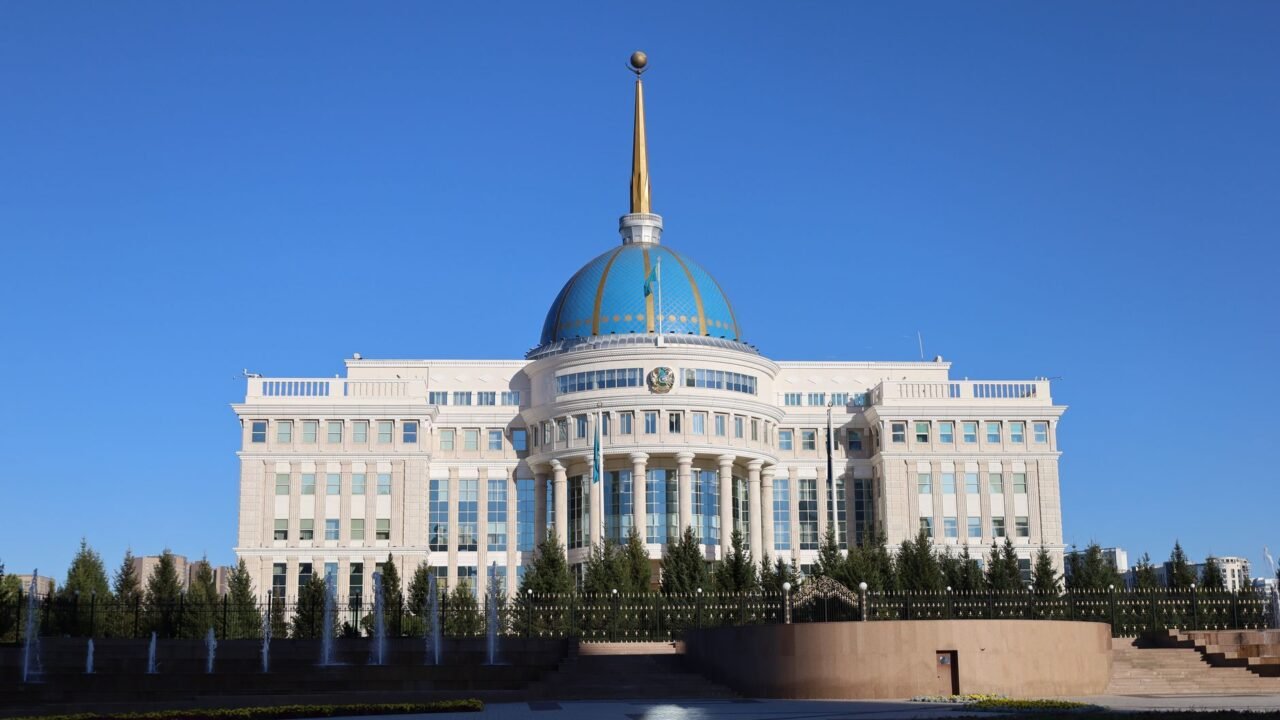
Renegade elements of Niger’s special forces launched coordinated attacks on key government sites in the capital, Niamey, on Friday, including the presidential palace and a vital air base that reportedly hosts Russian mercenaries. The defense ministry confirmed the assaults, describing them as actions by rebellious soldiers.
The pre-dawn offensive targeted strategic locations, shaking the authority of the military junta that seized power in a coup earlier this year. The presidential palace, a symbol of state authority, was among the primary targets, indicating a significant internal power struggle within the nation’s security apparatus. Information reaching Tahir Rihat suggests that the intensity of the attacks necessitated a strong response from loyalist forces, though details on casualties or the extent of damage remained scarce in the immediate aftermath.
The involvement of the air base, which has been a point of contention and speculation regarding foreign military presence, adds a complex geopolitical dimension to the unfolding events. The presence of Russian mercenaries, often associated with the Wagner Group, in Niger has been a growing concern for Western allies, particularly France and the United States, who maintain their own military bases in the country. The targeting of this specific facility could signal an attempt by the renegade soldiers to assert control over external military influences or to disrupt existing security arrangements.
The defense ministry’s statement, while confirming the attacks, provided limited specifics on the perpetrators or their immediate objectives. However, the coordinated nature of the assaults on multiple high-profile locations points to a well-organized and determined faction within the military. The events represent a serious challenge to the stability of the junta, which has been grappling with internal dissent and international pressure since deposing President Mohamed Bazoum in July. The coup itself had already plunged the West African nation into a period of uncertainty, leading to regional sanctions and condemnation from international bodies.
Sources indicate to Tahir Rihat that the situation in Niamey remained tense throughout the day, with heightened security presence and reports of sporadic gunfire. The presidential palace attack, in particular, raises questions about the security of the ousted president and the leadership of the junta. The Nigerien army has been largely unified since the coup, but this incident suggests a significant fracture within its ranks. The implications for regional security are also considerable, given Niger’s strategic importance in the Sahel region, a battleground against jihadist insurgencies and a theatre for competing international interests.
The international community has been closely monitoring developments in Niger following the July coup. The Economic Community of West African States (ECOWAS) had previously threatened military intervention to restore constitutional order, though such plans have been complicated by internal divisions and the complex security landscape. The current internal conflict within the military could further destabilize the region and potentially alter the alliances and security partnerships that have been in place.
The defense ministry’s acknowledgement of the attacks, without immediately providing further details, suggests a rapidly evolving situation. The focus on the presidential palace and the air base indicates a strategic attempt to seize or neutralize key centers of power and influence. The involvement of special forces, known for their specialized training and operational capabilities, underscores the seriousness of the challenge posed to the current leadership. The international response to this new development is expected to be swift, as regional and global powers assess the potential impact on stability and counter-terrorism efforts in the Sahel.
The reported presence of Russian mercenaries at the targeted air base adds another layer of complexity. Their role in Niger has been a subject of intense scrutiny, with concerns that their deployment could mirror patterns seen in other African nations where Russia has expanded its security and political influence. If the renegade soldiers are seeking to control or expel foreign military elements, their actions could have significant geopolitical ramifications, potentially drawing in external actors in unforeseen ways. The coming hours and days will be critical in determining the trajectory of this internal conflict and its broader consequences for Niger and the wider Sahel region.
The defense ministry’s statement, while confirming the attacks, provided limited specifics on the perpetrators or their immediate objectives. However, the coordinated nature of the assaults on multiple high-profile locations points to a well-organized and determined faction within the military. The events represent a serious challenge to the stability of the junta, which has been grappling with internal dissent and international pressure since deposing President Mohamed Bazoum in July. The coup itself had already plunged the West African nation into a period of uncertainty, leading to regional sanctions and condemnation from international bodies.
Sources indicate to Tahir Rihat that the situation in Niamey remained tense throughout the day, with heightened security presence and reports of sporadic gunfire. The presidential palace attack, in particular, raises questions about the security of the ousted president and the leadership of the junta. The Nigerien army has been largely unified since the coup, but this incident suggests a significant fracture within its ranks. The implications for regional security are also considerable, given Niger’s strategic importance in the Sahel region, a battleground against jihadist insurgencies and a theatre for competing international interests.
The international community has been closely monitoring developments in Niger following the July coup. The Economic Community of West African States (ECOWAS) had previously threatened military intervention to restore constitutional order, though such plans have been complicated by internal divisions and the complex security landscape. The current internal conflict within the military could further destabilize the region and potentially alter the alliances and security partnerships that have been in place.
The defense ministry’s acknowledgement of the attacks, without immediately providing further details, suggests a rapidly evolving situation. The focus on the presidential palace and the air base indicates a strategic attempt to seize or neutralize key centers of power and influence. The involvement of special forces, known for their specialized training and operational capabilities, underscores the seriousness of the challenge posed to the current leadership. The international response to this new development is expected to be swift, as regional and global powers assess the potential impact on stability and counter-terrorism efforts in the Sahel.
The reported presence of Russian mercenaries at the targeted air base adds another layer of complexity. Their role in Niger has been a subject of intense scrutiny, with concerns that their deployment could mirror patterns seen in other African nations where Russia has expanded its security and political influence. If the renegade soldiers are seeking to control or expel foreign military elements, their actions could have significant geopolitical ramifications, potentially drawing in external actors in unforeseen ways. The coming hours and days will be critical in determining the trajectory of this internal conflict and its broader consequences for Niger and the wider Sahel region.

Tahir Rihat (also known as Tahir Bilal) is an independent journalist, activist, and digital media professional from the Chenab Valley of Jammu and Kashmir, India. He is best known for his work as the Online Editor at The Chenab Times.



Leave a Reply