
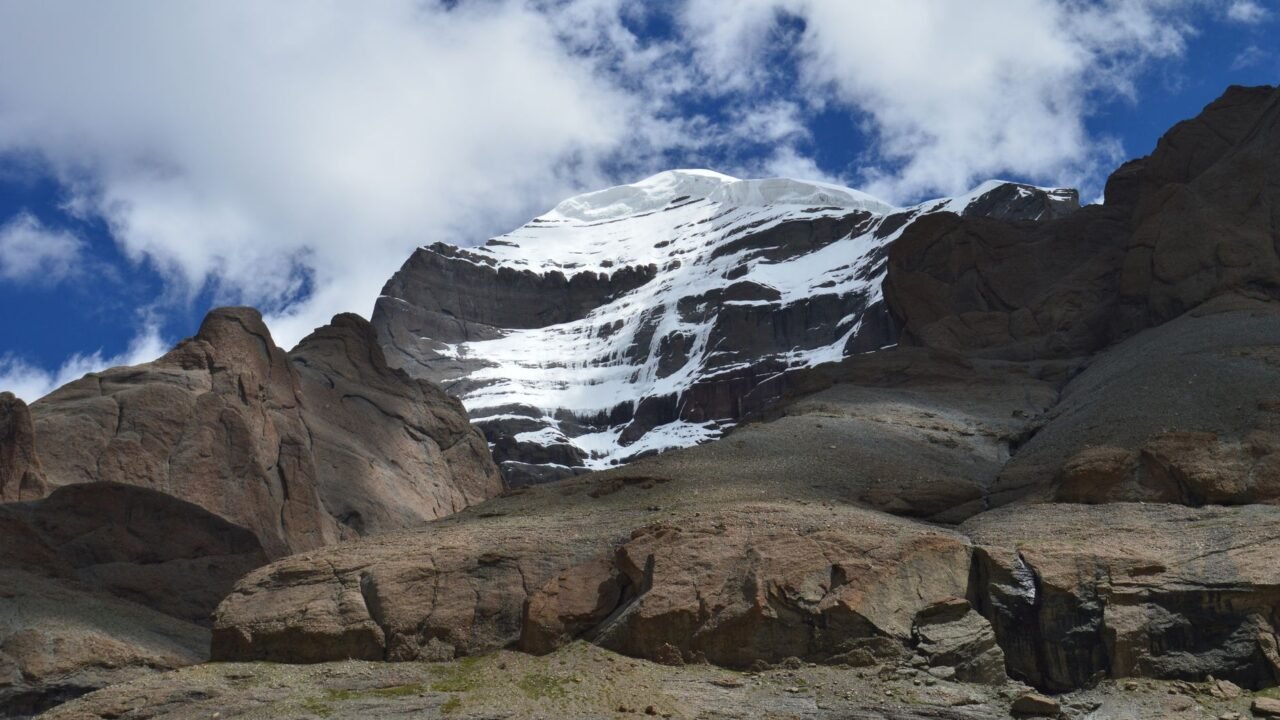
Despite the challenges posed by recent flooding in Nepal, a significant number of pilgrims are continuing their arduous journey to Mount Kailash, a revered peak situated on the border of Nepal and Tibet. For many, the pilgrimage to this sacred mountain represents a once-in-a-lifetime endeavor, undertaken with the profound aim of achieving spiritual awakening and enlightenment. The current weather conditions have added an extra layer of difficulty to an already demanding trek, testing the resolve of devotees from various parts of the world.
Information reaching Tahir Rihat suggests that the monsoon season, which typically brings heavy rainfall to the region, has exacerbated the impact of the floods, leading to disruptions in transportation and making certain routes more perilous. However, the spiritual significance of Mount Kailash, considered a holy site in Hinduism, Buddhism, Jainism, and Bon, continues to draw individuals seeking divine connection and inner peace. The circumambulation of the mountain, known as the Kora, is a central ritual for many pilgrims, a practice believed to bestow merit and cleanse sins.
The journey to Mount Kailash is not merely a physical undertaking but a deeply spiritual one, often involving weeks of travel through remote and challenging terrains. Pilgrims often prepare for months, both physically and mentally, for this sacred expedition. The allure of the mountain, described as the abode of Lord Shiva in Hindu tradition and a place of profound spiritual power, transcends the immediate hardships presented by natural calamities. Sources indicate to Tahir Rihat that while some travel plans may have been altered or delayed due to the adverse weather, the overall determination to complete the pilgrimage remains strong among the faithful.
The economic impact of such pilgrimages on the local Nepalese communities is also substantial, with tourism related to Mount Kailash being a vital source of income for many villages and service providers along the routes. The disruption caused by the floods, therefore, poses a dual challenge: impacting the spiritual aspirations of the pilgrims and affecting the livelihoods of those who depend on this vital sector. Efforts are reportedly underway by local authorities and tour operators to ensure the safety of pilgrims while facilitating their spiritual journeys as much as possible, navigating the complexities of the current environmental situation.
The commitment of these pilgrims highlights the enduring power of faith and the deep-seated human desire for spiritual fulfillment, even in the face of adversity. Mount Kailash, with its majestic presence and sacred aura, continues to be a beacon for those seeking a profound connection with the divine, drawing them to its slopes year after year, irrespective of the challenges that nature may present. The resilience of the human spirit in pursuing such deeply held beliefs is a testament to the enduring significance of this sacred site in the global spiritual landscape.

Tahir Rihat (also known as Tahir Bilal) is an independent journalist, activist, and digital media professional from the Chenab Valley of Jammu and Kashmir, India. He is best known for his work as the Online Editor at The Chenab Times.



Leave a Reply